Knitting is more than just a hobby—it’s a creative journey shaped by the tools you use. From the rhythm of your stitches to the comfort in your hands, the right knitting needles can make all the difference. Whether you’re crafting a cozy sweater or a delicate pair of socks, understanding your tools is essential. Today’s innovations have elevated traditional knitting tools, offering more flexibility, precision, and ease than ever before. Choosing the right knitting needles isn’t just about function—it’s about enhancing your entire knitting experience.
Understanding Different Types of Knitting Needles
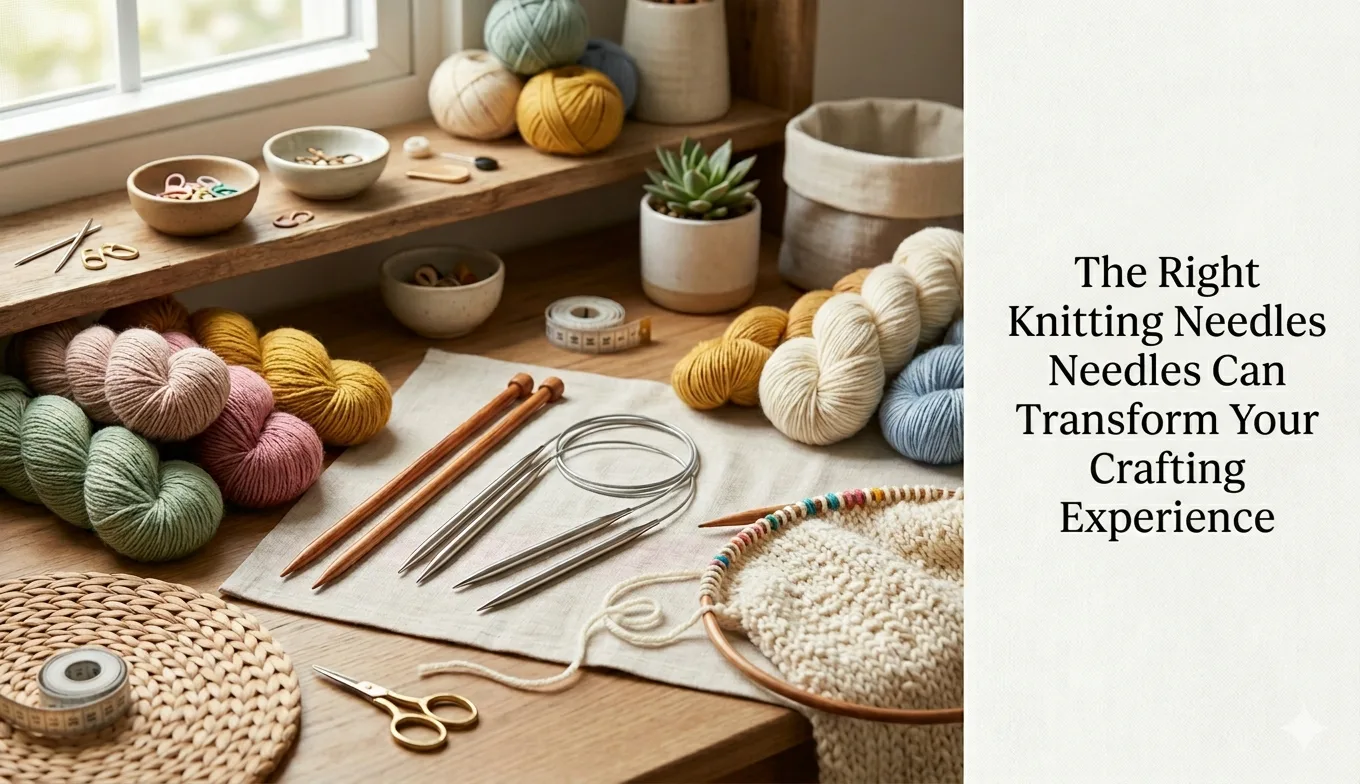
Not all knitting needles are created equal, and each type serves a specific purpose. The most common types include straight needles, circular knitting needles, and double pointed knitting needles.
Straight needles are often the starting point for beginners. They are ideal for flat knitting projects like scarves or dishcloths. However, as projects grow in size or complexity, knitters often turn to more versatile options.
Circular knitting needles have become a favorite among modern knitters. Connected by a flexible cable, they allow you to knit in the round, making them perfect for seamless garments like sweaters, hats, and blankets. They also distribute the weight of larger projects more evenly, reducing strain on your hands and wrists.
Double pointed knitting needles (DPNs) are essential for smaller, circular projects. Typically used in sets of four or five, they are perfect for knitting socks, sleeves, and other small-diameter items. While they may seem intimidating at first, they offer unmatched control and precision for detailed work.
Each type of knitting needle plays a unique role, and understanding when to use them can significantly improve your knitting results.
Why Knitting Needle Sizes Matter
One of the most important aspects of knitting is selecting the correct knitting needle sizes. The size of your needles directly affects your stitch tension, which in turn influences the texture, drape, and fit of your finished piece.
Larger needles create looser stitches, resulting in a softer and more breathable fabric—ideal for lightweight garments or airy designs. Smaller needles, on the other hand, produce tighter stitches, giving structure and durability to your projects.
Matching your needle size to your yarn is equally important. Thicker yarns generally require larger needles, while finer yarns work best with smaller sizes. Always check your pattern recommendations and consider knitting a gauge swatch to ensure accuracy. A small adjustment in needle size can make a significant difference in the final outcome of your work.
The Rise of Interchangeable Knitting Needles
In recent years, interchangeable knitting needles have revolutionized the way knitters approach their craft. These versatile tools allow you to switch needle tips and lengths, offering unmatched flexibility for a wide range of projects.
One of the biggest advantages of interchangeable knitting needles is convenience. Instead of owning multiple fixed needles, you can customize your setup based on your project’s needs. This not only saves space but also makes them ideal for knitters who travel or prefer a streamlined toolkit.
Features like smooth joins, secure connections, and swivel cords enhance the knitting experience by preventing tangling and ensuring consistent stitch flow. High-quality interchangeable systems are designed with both performance and comfort in mind.
Brands like KnitPro International have been at the forefront of this innovation, offering thoughtfully crafted tools that combine durability with elegant design. Their commitment to quality ensures that knitters can focus on creativity without being limited by their tools.
Choosing the Right Needles for Your Project
Selecting the right knitting needles depends on several factors, including the type of project, yarn weight, and your personal knitting style.
For larger garments or seamless designs, circular knitting needles are often the best choice. If you’re working on smaller, intricate pieces like socks or mittens, double pointed knitting needles provide the control you need. Interchangeable knitting needles offer flexibility for knitters who enjoy working on a variety of projects.
Comfort is another key consideration. The material of the needle—whether wood, metal, or acrylic—can affect your grip and speed. Some knitters prefer the warmth and grip of wooden needles, while others enjoy the smooth glide of metal.
Ultimately, the best knitting needles are the ones that feel right in your hands. Don’t be afraid to experiment and discover what works best for you.
Elevate Your Knitting with the Right Tools
The beauty of knitting lies in its ability to transform simple yarn into something meaningful and handmade. Choosing the right knitting needles enhances not only the quality of your projects but also the joy of creating them.
From understanding knitting needle sizes to exploring circular, double pointed, and interchangeable knitting needles, every choice you make contributes to your crafting journey. With thoughtfully designed tools from trusted manufacturers like KnitPro International, you can experience the perfect blend of innovation, comfort, and craftsmanship.
Ready to upgrade your knitting experience? Explore premium-quality knitting needles and accessories at https://www.knitpro.eu and bring your creative vision to life. 🧶