Sunlight can make the skin look healthy and radiant, but excessive exposure can gradually change its appearance. Dark spots, dullness, uneven pigmentation and a patchy complexion are often signs that the skin has been exposed to more ultraviolet (UV) radiation than it can comfortably manage. While these changes may seem like a surface-level concern, the process begins much deeper within the skin.
Understanding how sunlight influences pigmentation is essential for preventing discolouration and supporting healthier-looking skin. From the role of melanin to the importance of sunscreen and targeted skincare ingredients, there are several ways to manage sun-related pigmentation without irritating the skin.
How Sun Exposure Changes the Skin's Natural Colour
Sunlight contains ultraviolet radiation that can influence the skin's natural defence mechanisms. When UV rays reach the skin, they trigger biological responses that may increase melanin production, leading to a darker or uneven appearance over time.
The Role of Melanin in Sun-Induced Pigmentation
Melanin is the pigment responsible for giving skin its natural colour. It is produced by specialised cells called melanocytes, which help protect skin cells from UV-related damage.
When the skin is exposed to sunlight, melanocytes may produce additional melanin. This process is a protective response, but excessive or repeated exposure can cause melanin to become unevenly distributed. As a result, certain areas may appear darker than the surrounding skin.
This explains why pigmentation often develops on areas that receive frequent sunlight, such as the cheeks, forehead, nose, neck and hands. Over time, repeated exposure can contribute to freckles, sun spots and a generally uneven complexion.
Why Sun Exposure Can Make Skin Look Dull
Uneven skin tone is not always caused by dark spots alone. Sun exposure can also affect the skin's texture, moisture balance and natural radiance.
UV radiation can damage skin proteins such as collagen and elastin, which help maintain firmness and smoothness. When the skin becomes dehydrated or its surface texture changes, light may not reflect evenly, making the complexion appear dull.
Sun exposure can also increase oxidative stress, a process in which unstable molecules called free radicals damage cellular structures. This can contribute to premature skin ageing, roughness and a tired-looking appearance.
Why Pigmentation Can Become Difficult to Manage
Sun-induced pigmentation does not always disappear quickly after exposure stops. The depth of the pigment, the intensity of inflammation and the skin's natural renewal process all influence how long discolouration remains visible.
The Connection Between Inflammation and Dark Spots
Sometimes, pigmentation develops after the skin experiences inflammation. This may happen following acne, irritation, excessive exfoliation or a sunburn.
Inflammation can stimulate melanocytes to produce more pigment, resulting in post-inflammatory hyperpigmentation. When sunlight reaches these already affected areas, the discolouration may become darker and more noticeable.
This is why protecting the skin from sunlight is particularly important when dealing with existing dark spots. Without consistent protection, even a carefully planned skincare routine may produce slower or less noticeable results.
Why Some Dark Spots Take Longer to Fade
The skin naturally renews itself, but this process takes time. Pigment located closer to the surface may gradually become less visible as skin cells are shed. Deeper pigmentation can take considerably longer to improve.
Hormonal changes, repeated UV exposure and ongoing irritation may also contribute to persistent discolouration. In some cases, conditions such as melasma require professional assessment because they can be influenced by both sunlight and hormonal factors.
Ingredients That Help Manage Uneven Skin Tone
Skincare ingredients can support the management of pigmentation by influencing melanin production, reducing oxidative stress or helping the skin maintain a healthier barrier. However, results depend on the type of pigmentation, ingredient concentration and consistency of use.
Niacinamide and Alpha Arbutin
Niacinamide is a form of vitamin B3 that may help improve the appearance of uneven skin tone by reducing the transfer of melanin-containing structures to surrounding skin cells. It also supports the skin barrier and can help maintain moisture.
Alpha arbutin works differently. It helps regulate tyrosinase, an enzyme involved in melanin production. By influencing this process, alpha arbutin may gradually reduce the appearance of certain dark spots when used consistently.
Both ingredients can be useful in routines designed to improve pigmentation while supporting overall skin comfort.
Tranexamic Acid and Vitamin C
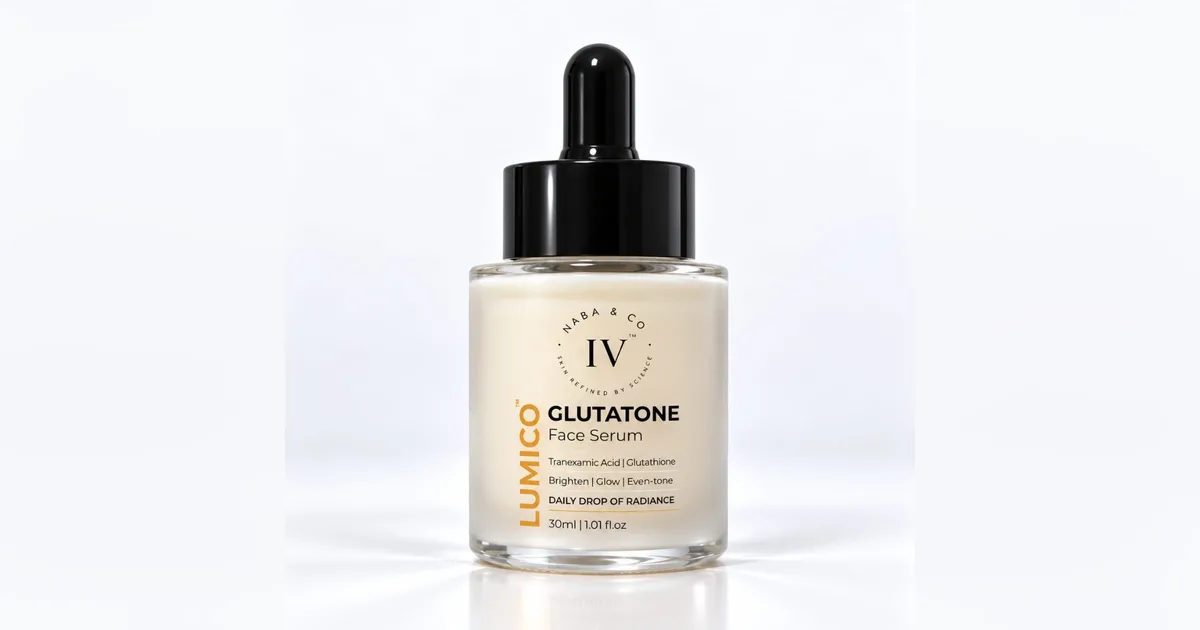
A tranexamic acid serum is often used in skincare routines targeting persistent discolouration. Tranexamic acid may help influence pathways involved in pigmentation, particularly those associated with inflammation and melasma. It is not a bleaching agent, and its benefits generally develop gradually with regular use.
Vitamin C is an antioxidant that helps protect the skin against oxidative stress caused by environmental exposure. It may also support collagen production and influence melanin formation, making it useful for improving the appearance of dullness and uneven tone.
A tranexamic acid serum may be incorporated alongside other suitable ingredients, but introducing several active products at once can increase irritation. A gradual approach is usually more comfortable and easier to maintain.
Glutathione and Its Role in Skin Appearance
Glutathione is an antioxidant naturally present in the body. It helps protect cells from oxidative stress and has been studied for its potential influence on melanin production.
Some topical skincare formulations include glutathione to support brighter-looking skin. However, evidence for its effectiveness in treating pigmentation is still developing, and results can vary depending on the formulation and how well the ingredient reaches the skin.
It is important to understand that no single ingredient can completely eliminate every type of pigmentation.
How to Prevent Sun-Induced Pigmentation
Preventing further pigmentation is often more effective than trying to correct dark spots after they have developed. A consistent routine that protects the skin and avoids unnecessary irritation can make a meaningful difference over time.
Make Sun Protection a Daily Habit
Broad-spectrum sunscreen with SPF 30 or higher helps protect against UVA and UVB radiation. UVA rays are particularly important in pigmentation management because they can contribute to long-term skin damage and discolouration.
Apply sunscreen generously to exposed skin every morning and reapply approximately every two hours when outdoors, or sooner after swimming or sweating. Hats, sunglasses, shade and protective clothing can provide additional support.
For people prone to melasma or persistent pigmentation, tinted sunscreens containing iron oxides may offer additional protection against visible light, which can also influence pigmentation in some skin tones.
Keep Your Skincare Routine Gentle
Over-exfoliating, using harsh cleansers or combining too many active ingredients can damage the skin barrier and trigger inflammation. This may make pigmentation more noticeable rather than improving it.
Choose a gentle cleanser, moisturiser and sunscreen as the foundation of your routine. Introduce targeted ingredients gradually and discontinue products that cause persistent burning, redness or irritation.
Can Sun-Induced Pigmentation Be Reversed?
Many forms of sun-related pigmentation can gradually improve with consistent sun protection and appropriate skincare. However, complete removal is not always possible with topical products alone.
A tranexamic acid serum may help improve the appearance of certain stubborn dark spots over time, but it should be considered part of a broader approach rather than a standalone solution.
For pigmentation that persists, spreads or changes in appearance, a dermatologist can help identify the underlying cause and recommend suitable treatments. Professional options may include prescription topical treatments or carefully selected procedures.
The most important step is to prevent repeated sun damage while allowing the skin time to recover. With patience, daily protection and a gentle, consistent routine, uneven skin tone can become more manageable and the skin can gradually regain a healthier, more balanced appearance.