
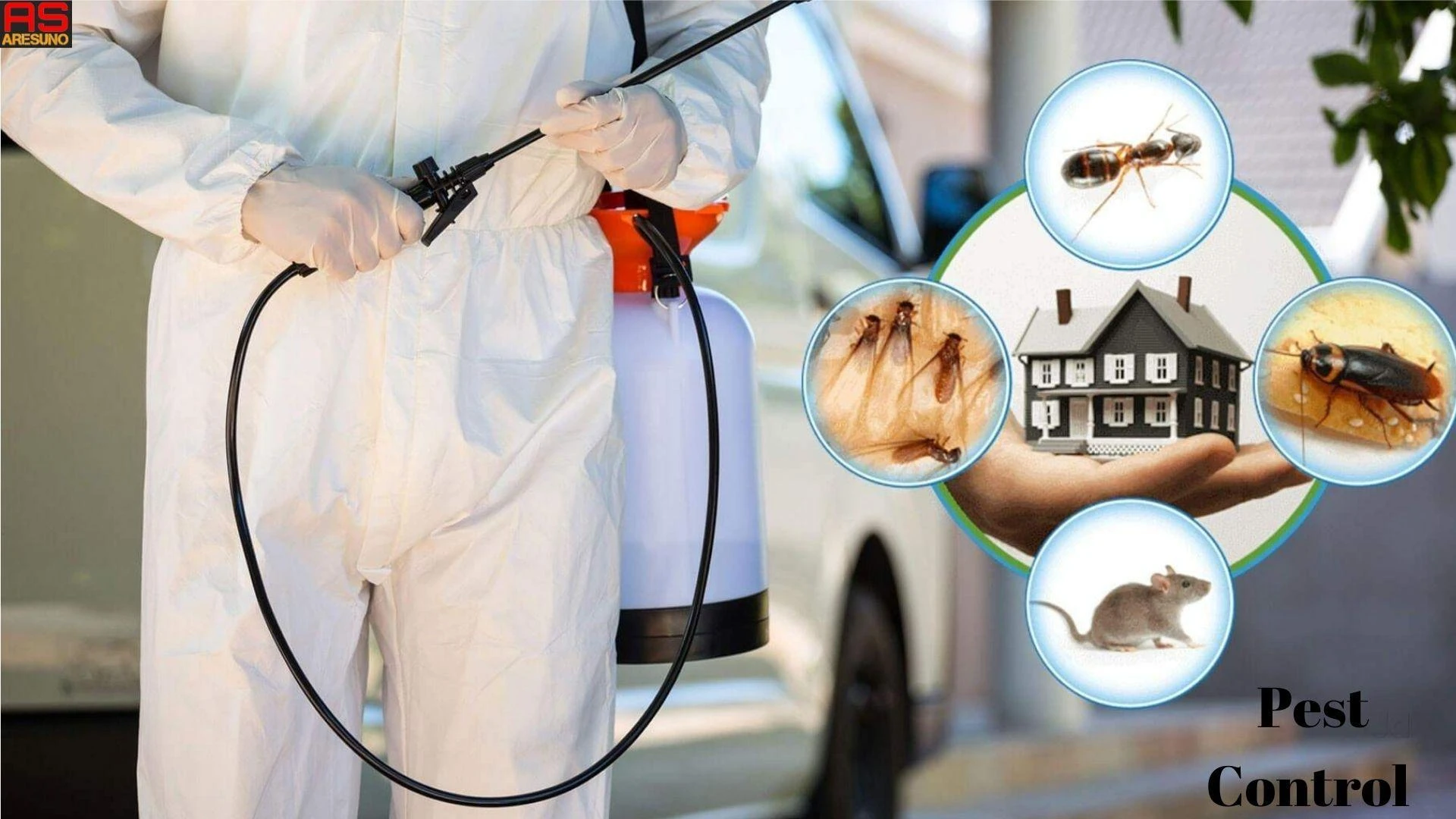
Thinking about getting into pest control? Learn how long the training really takes, what a pest control course costs, and what to expect from certification programs—especially if you're in the New York City area.
The Problem: Pests Are Everywhere—But So Are Undertrained Exterminators
If you've ever battled roaches in your apartment or seen a mouse dart across your kitchen floor, you already understand how stressful pest problems can be. For New Yorkers, dealing with infestations in pre-war buildings, brownstones, or high-rise apartments isn’t rare—it’s a constant, evolving challenge.
Unfortunately, many pest problems are made worse by poorly trained technicians. The pest control industry, while essential, isn’t tightly regulated across the board. In some cases, workers are rushed through the process without proper pest control training NYC residents should expect from professionals. The result? Recurring infestations, misapplied chemicals, and customers left feeling frustrated and helpless.
The Frustration: When Inexperience Makes the Problem Worse
Let’s be honest—there’s no shortage of pest control companies out there. But that doesn’t mean all of them are prepared to handle real urban infestations. New York City is a special kind of battleground when it comes to pests. Rats burrow in basements, bed bugs hitch rides on public transit, and roaches thrive in old plumbing and shared ventilation systems.
Without thorough training, a technician might:
- Use the wrong pesticide for the pest type, which can drive the infestation deeper.
- Fail to identify hidden entry points, allowing mice or insects to return within days.
- Miss early signs of structural damage or secondary infestations.
Even well-intentioned beginners can cause harm. That’s why the right education isn’t optional—it’s critical.
The Solution: Professional Pest Control Training That Works
So how long is pest control training, and what does it cost to do it right?
The answer depends on where you're training and what kind of certification you want. In New York, pest control technicians must be licensed by the NYS Department of Environmental Conservation (DEC), which involves both classroom instruction and hands-on experience.
Here’s a realistic breakdown:
- Training Duration: A full pest control course can take anywhere from 30 to 60 hours of classroom time, depending on the institution. This typically spans a few weeks. Some programs offer accelerated options, but it’s important not to rush—the material is dense and covers everything from pesticide safety to pest identification and local laws.
- On-the-Job Experience: After the classroom portion, aspiring technicians generally need practical fieldwork under a licensed supervisor. This hands-on training can take several months before a candidate is ready for full certification.
- Exam Requirements: Technicians must pass a state exam to become certified. The exam covers topics like pest biology, control techniques, and chemical safety. Many people need extra prep time—especially those balancing training with a full-time job.
- Course Costs: The cost of a pest control school varies widely. Basic training programs can range from $300 to $1,000, while more comprehensive courses with certification prep may run upwards of $1,500 to $2,500. The higher price often includes exam fees, study guides, and access to field trainers.
The upfront cost and time investment might feel steep, but it pays off. Customers are more likely to trust—and recommend—technicians who can explain treatment methods clearly and execute them safely.
Case Study: A Brooklyn Brownstone Infestation Gone Right
Let’s look at a real-world example. A family in Park Slope, Brooklyn, lived in a classic three-story brownstone built in the early 1900s. Over time, they began to notice signs of mice—droppings under the sink, rustling in the walls at night, and even a nest inside a kitchen drawer.
They called a local company whose technician had limited training. The worker set a few glue traps and sprayed an over-the-counter repellent, promising the issue would disappear in a few days. Not only did the mice return, but they multiplied.
Frustrated, the homeowners contacted a different company that emphasized staff education and had every employee complete formal pest control training programs. The new technician took time to:
- Inspect the home thoroughly, including behind appliances, in crawl spaces, and along baseboards.
- Identify a structural gap in the basement where plumbing entered the house—an easy mouse entry point.
- Seal all potential entryways with steel mesh and foam, and install tamper-resistant bait stations.
- Educate the family on how food storage and clutter could be contributing factors.
Within two weeks, the activity stopped completely. Three months later, the home remained pest-free, and the family signed up for quarterly monitoring to prevent future issues.
The difference? Proper training led to a lasting solution—something that the first technician simply wasn’t prepared to deliver.
Choosing the Right Training Program
If you're considering getting into pest control yourself, it’s important to choose the right pest control school. Not all programs are equal, and the quality of your education will directly affect your career success.
Look for training programs that offer:
- State-approved curriculum aligned with DEC requirements.
- Experienced instructors with real field backgrounds.
- A mix of classroom and hands-on learning opportunities.
- Exam preparation and ongoing support after graduation.
If you're located in or near NYC, consider reputable institutions like the New York Pest Management Association or local community colleges with environmental health programs. Some unions and pest control companies also sponsor apprenticeships, helping to reduce costs while you gain experience.
Why This Matters for Homeowners, Too
Even if you’re not looking to become a technician, this topic matters. As a homeowner or tenant, you should feel empowered to ask your pest control provider about their training background. A company that invests in proper education is far more likely to solve your problem without cutting corners.
When someone shows up at your door with a clipboard and a sprayer, you want to know they’ve learned more than just where to put a trap. You want someone who understands pest behavior, chemical interactions, and building structures—especially in an urban setting like New York.
Final Thoughts: Invest in Training, Whether You're Hiring or Learning
Pest problems can spiral fast in NYC’s dense neighborhoods. Whether you’re hiring a pro or thinking about becoming one, education makes all the difference. Skipping training might save time or money upfront—but it often leads to repeat infestations, property damage, and wasted effort.
Proper pest control training programs teach technicians how to protect both health and property in a city where pests never take a break. And for those pursuing the profession, a thorough course from a trusted pest control school can open doors to a stable, rewarding career.
Don’t let pests take over your home—or your peace of mind. If you need expert help from licensed, well-trained professionals, call us today.
📱 +1 718 284-7378