Shopping for a fish feed extruder is frustrating. You send out five inquiries and get five different numbers. One supplier quotes you $15,000. Another says $38,000. A third wants to know your production capacity, your fish species, and your preferred payment terms before they'll even talk numbers. It feels arbitrary. It feels like haggling at a market where nobody agrees on what anything is worth. But there's a reason for the wide range, and understanding it can save you from a very expensive mistake.
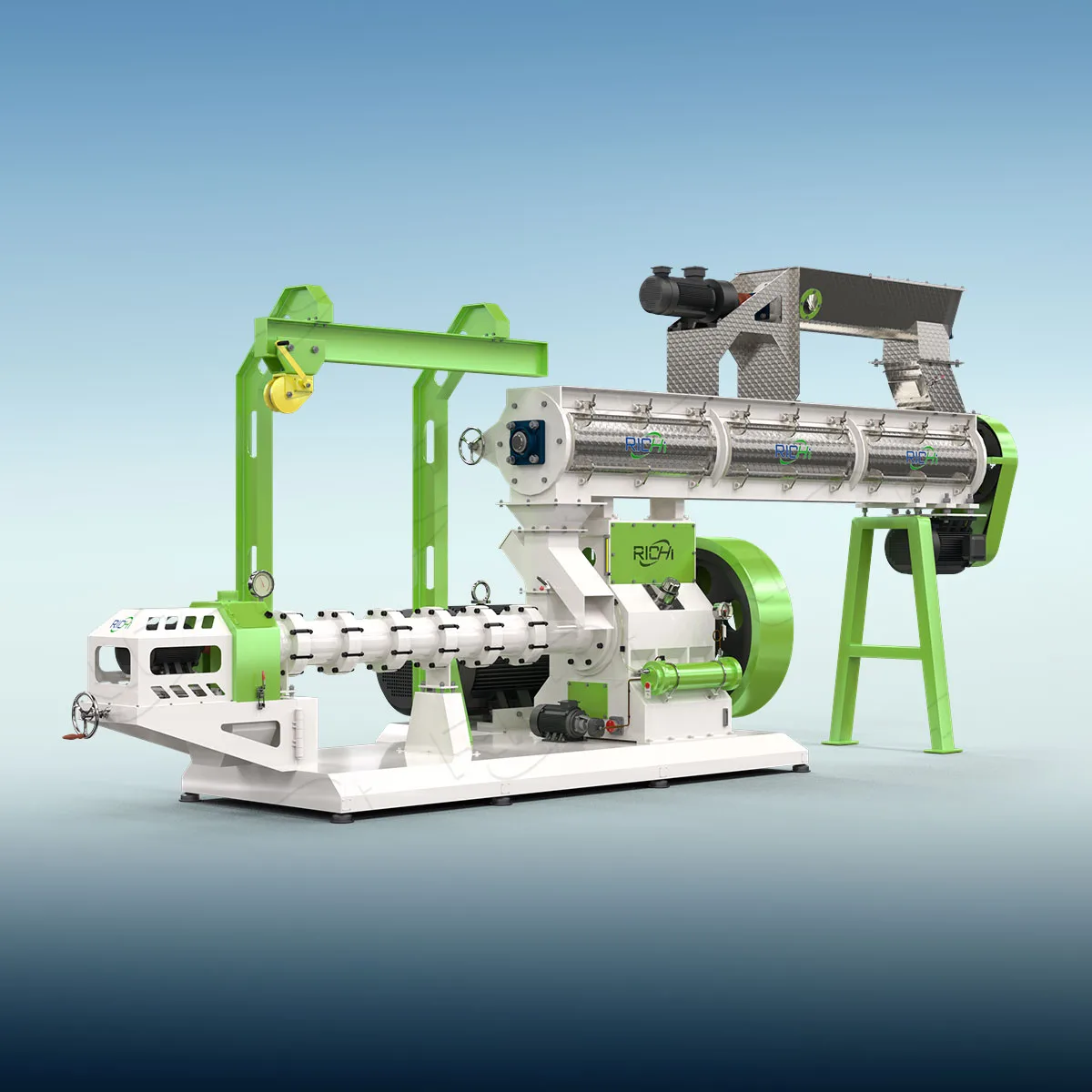
The first variable is the type of extruder. A dry extruder, which relies on friction alone to generate heat, is the simplest and cheapest option. It works for basic floating feeds and small operations. A wet extruder, which injects steam and water into the barrel, produces better pellet quality and handles higher-fat formulations. It costs significantly more, but it also opens up markets that a dry extruder can't touch. The price difference isn't arbitrary. It reflects engineering complexity, energy efficiency, and the range of products you can produce.
Then there's the question of capacity. A machine rated for 200 kilograms per hour will cost far less than one rated for 5 tons per hour. But here's where buyers get tripped up. The quoted capacity is often measured under ideal conditions—perfect moisture, optimal formulation, continuous operation. In the real world, with variable ingredients and start-stop production, actual output can be 20 to 30 percent lower. If you buy based on the brochure number and your real needs are higher, you'll end up running the machine beyond its design limits. It will break down more often. It will consume more energy per ton. And you'll be shopping for a replacement sooner than you planned.
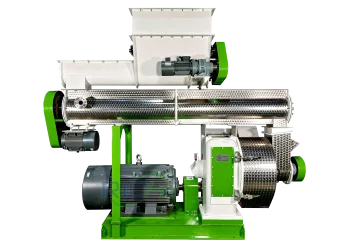
The pelleting machine that follows the extruder matters too. Some producers assume the extruder does all the work and the pelletizer is just a shaping tool. That's not accurate. The pelletizer determines the final density, hardness, and surface quality of the pellet. A cheap pelletizer will produce pellets that crumble in the bag or sink too quickly in the pond. A well-built one produces uniform, durable pellets that float reliably and resist breakage during transport. The price difference between a budget pelletizer and a quality one is often smaller than the cost of a single rejected shipment.
What about the manufacturer? Some suppliers compete on price alone. They use undersized motors, thinner steel, and generic components that wear out quickly. Others focus on durability and performance, which means higher upfront costs but lower operating costs over the life of the machine. A fish feed extruder machine price that looks attractive on paper can become a liability if it requires constant maintenance, consumes excessive electricity, or produces inconsistent pellets that hurt your feed conversion ratios.
The smartest buyers look beyond the sticker price. They ask about energy consumption per ton. They request references from other customers. They visit working installations and watch the equipment run. They ask about spare parts availability and how quickly replacement components can be shipped. They factor in training, installation, and ongoing technical support. Those things don't show up in the quote, but they show up in your monthly operating costs.
There's also the question of financing and payment terms. Some suppliers offer flexible arrangements that make a higher-quality machine more accessible. Others require full payment upfront and disappear after the sale. A supplier who is invested in your success will work with you to structure a deal that makes sense for your cash flow.
The bottom line is that price alone is a poor way to choose an extruder. The cheapest option is rarely the best value, and the most expensive isn't always the right fit. What matters is matching the equipment to your production goals, your feedstock, and your market. A machine that runs reliably for a decade is worth more than one that saves you a few thousand dollars upfront but costs you in downtime, energy, and poor pellet quality.
If you're in the market for a fish feed extruder, take the time to understand what you're actually buying. Ask the hard questions. Compare total cost of ownership, not just the purchase price. And don't be afraid to walk away from a deal that doesn't feel right. The right machine is out there. You just have to look beyond the number on the invoice.
Related articles:https://pelletizerextruder.com/twin-screw-extruder-machine/