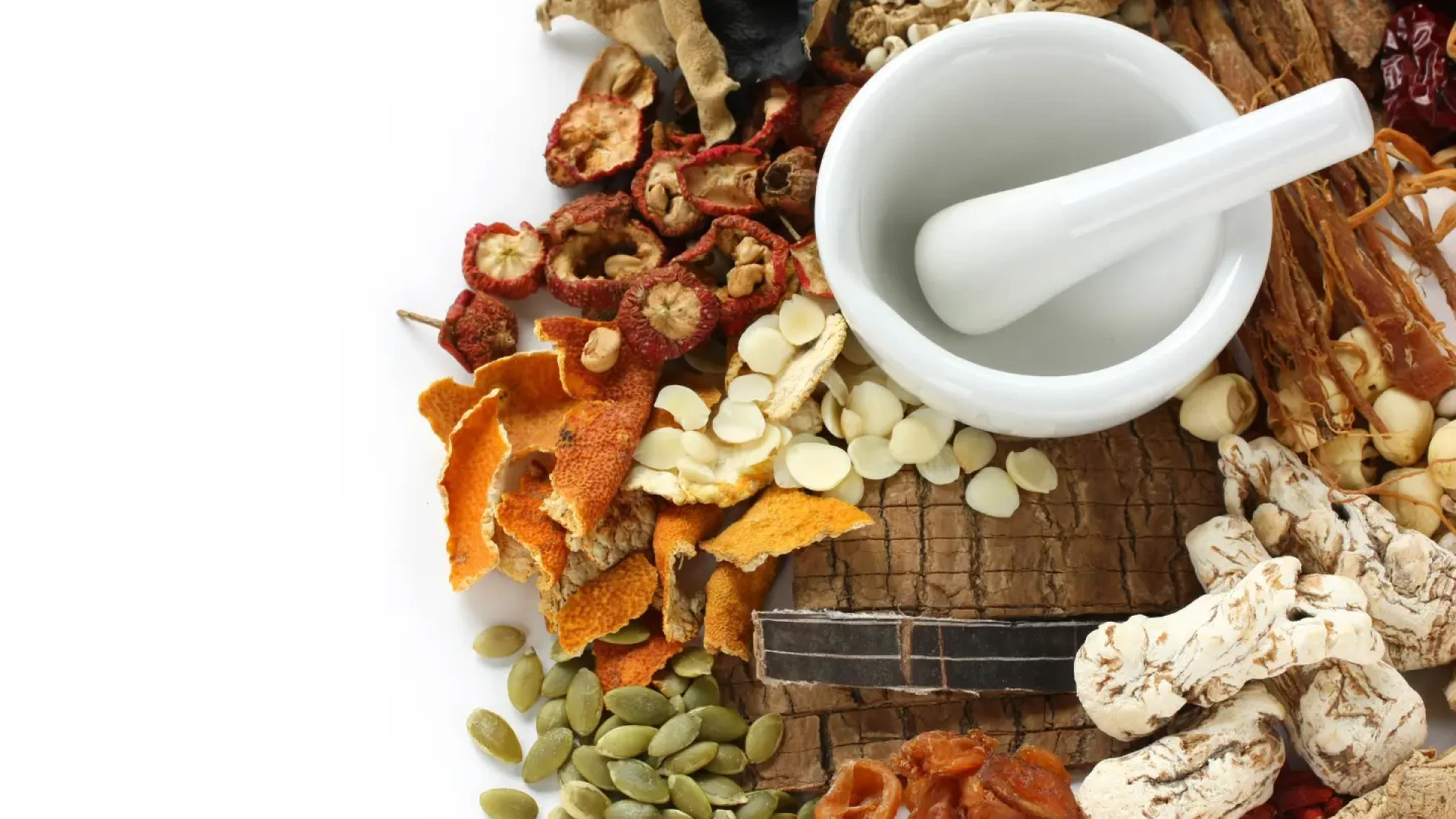
In today’s fast-paced world, the pursuit of holistic health and sustainable wellness practices has driven many individuals to explore time-tested methods. One such ancient system that continues to gain popularity globally is Traditional Chinese Medicine (TCM). At the heart of this centuries-old tradition lies a treasure trove of natural remedies known as TCM herbs. These botanicals have long played a pivotal role in promoting health, enhancing vitality, and preventing illness.
As more people seek natural alternatives to pharmaceutical interventions, integrating TCM herbs into daily routines offers a promising path to balance, harmony, and longevity. This article delves into the essence of TCM herbs, their foundational role in Traditional Chinese Medicine, and how premium brands like KPC Herbs are making them more accessible for modern wellness practices.
Understanding the Foundation of TCM Herbs
TCM herbs are derived from various parts of plants—roots, leaves, flowers, bark, and seeds—and sometimes include minerals and animal products. Each herb is chosen based on its energetic properties and its ability to influence the body's Qi (vital energy), Yin-Yang balance, and organ systems.
Unlike Western medicine, which often targets symptoms, Traditional Chinese Medicine views the body as a holistic entity. Imbalance in one system can affect another, and TCM herbs are used not only to treat conditions but also to support the body's natural ability to heal and maintain balance.
There are thousands of documented TCM herbs, but only a few hundred are regularly used in clinical practice. Their functions range from boosting immunity, supporting digestion, calming the mind, improving circulation, and detoxifying the body. When used under proper guidance, these herbs can significantly contribute to long-term wellness.
The Role of TCM Herbs in Preventive Health
One of the most compelling aspects of TCM herbs is their preventive power. Rather than waiting for disease to manifest, Traditional Chinese Medicine encourages daily maintenance of health through herbal support. This proactive approach is particularly effective in today’s world, where stress, pollution, and processed foods are common health threats.
Herbs like Astragalus (Huang Qi) and Reishi mushroom (Ling Zhi) are known for their immune-boosting properties. Others like Licorice root (Gan Cao) support digestive harmony and respiratory health. Incorporating these into your daily routine, whether as teas, powders, or capsules, can help reinforce your body’s defense mechanisms.
By consistently using TCM herbs, many individuals report increased energy, improved digestion, better sleep, and enhanced mental clarity. These benefits reflect the herbs' systemic action—working not just on one symptom but across multiple physiological systems to restore equilibrium.
TCM Herbs and Emotional Well-Being
Modern science is increasingly recognizing the intricate connection between the mind and body. Traditional Chinese Medicine has acknowledged this interplay for millennia. TCM herbs are frequently used to support emotional health by harmonizing the Heart, Liver, and Spleen—organs believed to govern mood, mental clarity, and emotional resilience.
For example, Bupleurum (Chai Hu) is often used to relieve liver stagnation, which is associated with irritability, frustration, and stress. Polygala (Yuan Zhi) is a powerful herb used to calm the Shen (spirit), reduce anxiety, and support restful sleep.
By restoring internal harmony, these herbs help the body cope with the emotional and psychological demands of modern life. Integrating such TCM herbs into a holistic lifestyle can lead to more stable moods, reduced stress levels, and overall improved mental health.
KPC Herbs: A Modern Gateway to Classical Formulas
For individuals new to TCM herbs, sourcing high-quality, effective products can be daunting. That’s where trusted names like KPC Herbs come into play. With over a century of experience and dedication to traditional principles, KPC Herbs offers meticulously sourced and prepared herbal formulas.
Their commitment to quality assurance, sustainable sourcing, and adherence to both modern and classical preparation methods makes them a standout in the industry. Whether you're seeking single herbs or complex formulas, KPC Herbs provides safe, consistent, and potent products suitable for both practitioners and everyday users.
Furthermore, KPC Herbs maintains a strong focus on education and professional support, ensuring that their customers are well-informed and empowered to use TCM herbs appropriately and effectively.
Practical Ways to Incorporate TCM Herbs Daily
Bringing TCM herbs into your daily routine doesn’t require a dramatic lifestyle overhaul. Here are practical suggestions for seamless integration:
1. Herbal Teas
Start your day with a calming or energizing herbal tea. Ingredients like Ginger, Licorice root, and Goji berries can be steeped easily and enjoyed hot or cold.
2. Capsules and Powders
For those with busy schedules, encapsulated herbs or powdered formulas offer a convenient solution. Simply add them to smoothies, oatmeal, or warm water.
3. Cooking with Herbs
Certain TCM herbs double as culinary ingredients. Dang Gui (Angelica sinensis) and Chinese dates (Da Zao) are commonly added to soups and stews, enhancing both flavor and nutrition.
4. Topical Applications
Herbs like San Huang San and Jin Gu Shui are used externally for bruises, swelling, and muscle aches. These applications support localized healing and pain relief.
5. Consulting with a Practitioner
For best results, especially if managing chronic conditions, consult with a licensed Traditional Chinese Medicine practitioner. They can personalize your herbal regimen based on your constitution and health goals.
Safety and Best Practices
While TCM herbs offer immense benefits, they should be used responsibly. It’s essential to:
- Source herbs from reputable providers like KPC Herbs
- Follow dosage recommendations carefully
- Avoid self-diagnosing complex conditions
- Consider potential interactions with Western medications
Pregnant or breastfeeding women and individuals with pre-existing conditions should seek professional advice before starting any herbal program.
The Science Behind TCM Herbs
The synergy of tradition and science is bringing new validation to the use of TCM herbs. Modern research has confirmed the adaptogenic, anti-inflammatory, and antioxidant properties of many classical herbs. Studies on herbs like Ginseng (Ren Shen) and Schisandra (Wu Wei Zi) have shown positive outcomes for energy enhancement, cognitive support, and liver function.
Though Traditional Chinese Medicine takes a different diagnostic approach than Western medicine, the biochemical effects of many herbs are now being mapped and quantified, bridging the gap between ancient wisdom and modern therapeutics.
This growing body of scientific evidence is encouraging greater integration of TCM herbs into complementary health systems worldwide.
Conclusion
The enduring legacy of Traditional Chinese Medicine is a testament to its deep understanding of the human body, nature, and the interconnectedness of all things. At the heart of this legacy are TCM herbs—natural allies in the journey toward health and vitality.
By embracing these time-honored botanicals, individuals can support their body’s innate healing capacity, improve resilience, and enhance quality of life. With trusted providers like KPC Herbs, incorporating TCM herbs into daily health practices is not only safe and effective but also deeply enriching.
As the modern wellness landscape continues to evolve, the timeless wisdom of TCM herbs stands ready to offer balance, clarity, and enduring health—one dose at a time.