
Introduction
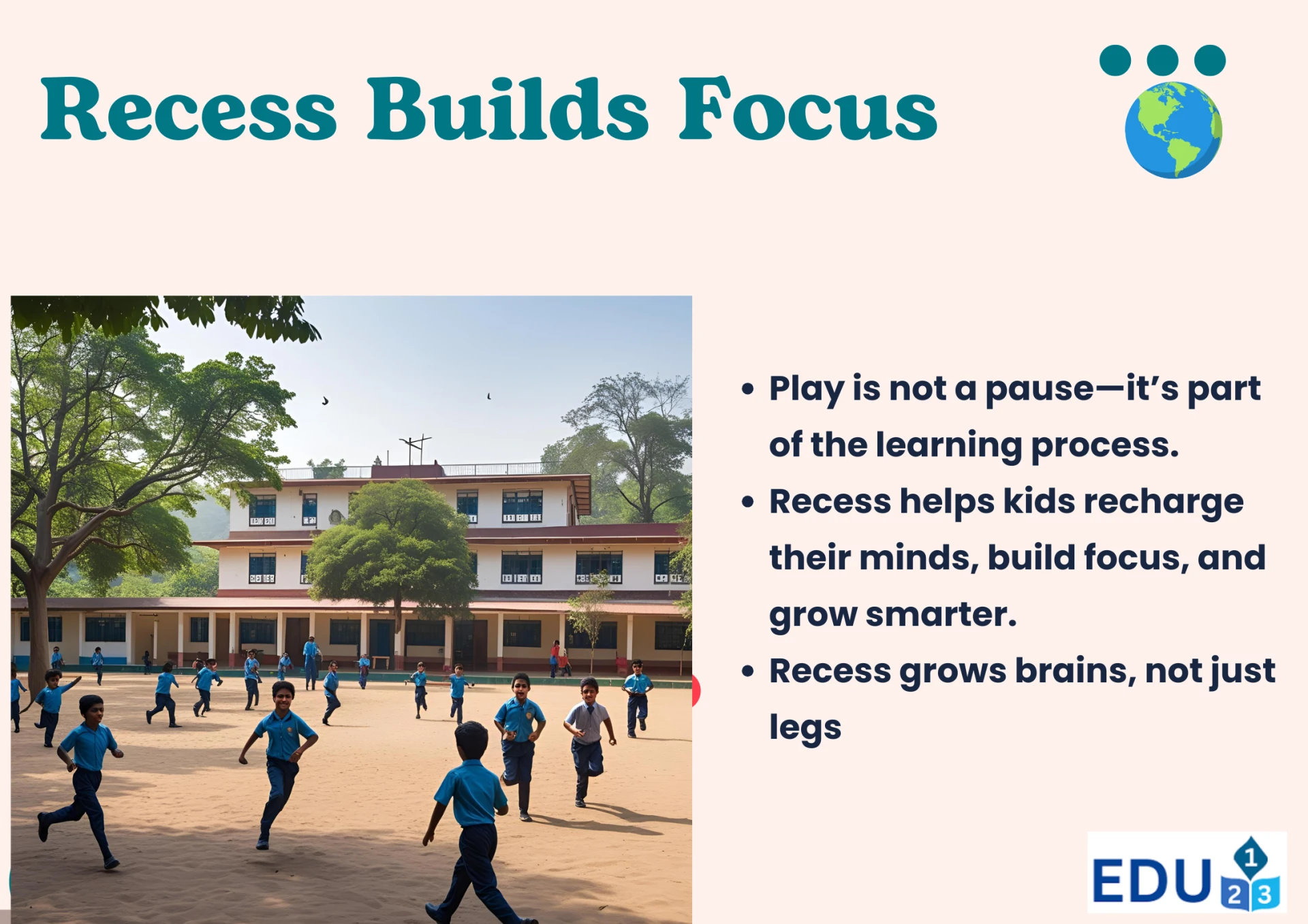
When it comes to effective learning, many believe that longer study hours automatically lead to better results. However, research shows that regular breaks can actually improve focus, creativity, and retention. The “power of pause” is not about wasting time—it’s about using short intervals strategically to recharge the brain.
Why Breaks Matter in Learning
Our brains aren’t designed to concentrate at full capacity for hours on end. Without rest, mental fatigue sets in, and productivity drops. In boarding schools in Dehradun, structured study schedules often include short breaks between lessons or study sessions. This balance helps students maintain energy, stay motivated, and absorb information more effectively.
How Breaks Improve Focus and Memory
Taking regular pauses allows the brain to process and store information. Studies suggest that alternating focused work with short rests:
- Enhances long-term memory retention
- Reduces stress and mental burnout
- Boosts problem-solving and creative thinking
- Improves attention span for complex tasks
Effective Break Strategies
Not all breaks are equal—how you use them matters. In boarding schools in Dehradun, teachers encourage activities that genuinely refresh the mind:
- A quick walk outside
- Gentle stretching or light exercise
- Mindful breathing exercises
- Listening to calming music
- Engaging in a fun, non-academic conversation
The Science Behind It
Breaks activate the brain’s “default mode network,” which supports reflection and creativity. This downtime gives the mind space to connect ideas, solve problems, and strengthen memory links without conscious effort.
Benefits Beyond Academics
In addition to improved learning, strategic breaks can:
- Enhance emotional well-being
- Encourage healthy social interactions
- Reduce the risk of burnout
- Increase overall student satisfaction and engagement
Conclusion
The secret to productive learning isn’t about studying harder—it’s about studying smarter. Incorporating short, intentional breaks into study sessions can lead to greater focus, better memory, and improved well-being. Sometimes, stepping away for a few minutes is the most powerful step toward success.