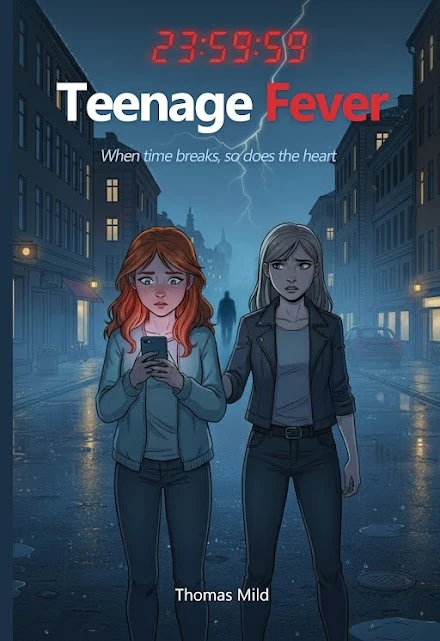
As anticipation quietly builds around Thomas’s yet-to-be-released young-adult novel Teenage Fever, early glimpses into the chapter outline reveal a story that is not only emotionally gripping but also socially relevant. Crafted with psychological depth and cinematic energy, the novel promises to deliver an unfiltered exploration of adolescence, its turbulence, its vulnerability, and its constant search for meaning.
Where most YA fiction leans on exaggerated drama or idealised versions of high school life, Thomas grounds his narrative in authenticity. The outline presents characters who feel real, scenes that echo familiar struggles, and emotional arcs that mirror the complex realities faced by today's youth. Teenage Fever may not have been published yet, but it is already shaping up to be a standout in contemporary storytelling.
A Story Rooted in Real Experiences
From the very first section of the outline, it’s clear that Thomas seeks to portray adolescence not as a trope but as a lived reality. The opening chapters introduce readers to a world where ordinary routines, school hallways, family homes, and busy streets are filled with unspoken tension. This tension slowly builds as the protagonist encounters small but significant disruptions that signal deeper emotional currents beneath the surface.
The outline reveals the book's commitment to exploring the internal world of teens. Thoughts swirl with confusion, humour, insecurity, and flashes of wisdom. Actions shift unpredictably as characters navigate identity, friendships, school pressure, family dynamics, and the emotional weight of simply trying to figure out who they are becoming.
It’s this honesty that gives the book its beating heart. Every scene feels like a window into a real teenager’s life, messy, emotional, uncertain, and yet full of possibility.
Themes That Speak Directly to Today’s Youth
Identity and Self-Awareness
The protagonist’s journey is driven by the classic yet powerful question: Who am I?
Thomas does not offer easy answers. Instead, the outline suggests a gradual, often painful unfolding as the character examines shadowed memories, hidden fears, and the pressure to meet others’ expectations. This theme will resonate deeply with teens still trying to understand themselves in a world full of noise.
Friendship, Peer Pressure & Belonging
Friendships form the emotional backbone of the story. The outline hints at shifting alliances, misunderstandings, and the silent heartaches that come from feeling left out or misunderstood. Thomas skillfully balances the warmth of connection with the darker side of peer influence.
Family Conflict & Emotional Distance
Scenes involving the home environment reflect the struggles many teens face: communication gaps, rigid expectations, emotional withdrawal, and clashes between independence and family rules. These moments add depth and truth to the story’s emotional landscape.
Mental Health & Hidden Battles
One of the strengths of the outline is its portrayal of internal emotional storms, anxiety, fear, anger, and loneliness without exaggeration. Thomas approaches mental health with sensitivity and respect, letting emotions unfold naturally through conversations, silences, and character choices.
Mystery, Suspense & Unresolved Secrets
Layered throughout the outline is a subtle but significant mystery. Something has happened or is happening that the protagonist can’t fully understand yet. This hidden element adds narrative tension, making the novel more than a coming-of-age story. It becomes a psychological puzzle as well.
A Multi-Part Structure With Purpose
Thomas organises the story into four core sections: Head, Heart, Hands, and Healing, each representing a developmental stage the protagonist must overcome.
Part One: Head The Beginning of Uncertainty
The early chapters introduce the protagonist’s environment and establish the mystery that disrupts ordinary life. Thoughts race, assumptions crumble, and curiosity becomes the driving force. This opening sets the stage for emotional and psychological exploration.
Part Two: Heart Emotions That Can’t Be Contained
In this section, emotional stakes rise sharply. Relationships fray, secrets surface, and long-avoided feelings demand attention. The outline highlights intense, intimate scenes that push the protagonist to confront their pain and confusion.
Part Three: Hands Actions, Reactions & Consequences
What was once internal becomes external. Choices, some impulsive, some necessary, lead to real consequences. Conflict escalates. Mistakes are made. The protagonist begins to understand how actions shape identity and relationships.
Part Four: Healing Growth, Acceptance & Understanding
The final section marks the beginning of the transformation. Emotional clarity emerges. Connections are rebuilt. Instead of a perfect ending, Thomas aims for authenticity, offering hope and maturity without sacrificing realism.
Why This Upcoming Book Stands Out
Even at the outline stage, Teenage Fever showcases qualities that set it apart from typical YA novels:
- Psychological realism that avoids clichés
- Emotionally rich storytelling grounded in lived experience
- Dialogue and scenes that feel cinematic without being dramatic for the sake of drama
- A relatable protagonist whose inner voice reflects the real thoughts of today’s youth
- A subtle mystery element that adds tension and unusual depth
- Themes that matter: identity, mental health, belonging, resilience
Thomas’s writing approach suggests he understands the teenage mind deeply, portraying it with nuance and compassion. For young readers, the story may feel like someone finally put their hidden thoughts on the page. For adults, it offers a powerful window into the emotional world that teens often struggle to express.
A Promising Novel on the Horizon
Though unpublished, Teenage Fever already carries the emotional power and narrative precision of a breakout YA novel. It promises to be a meaningful, thought-provoking exploration of growing up, capturing the lightning-fast shifts of teenage life while honouring the quiet, introspective moments that shape identity.
As the manuscript continues to develop, one thing is certain: Thomas is crafting a story that young readers will connect with deeply, and one that has the potential to spark conversations about mental health, relationships, and the universal challenge of finding oneself.