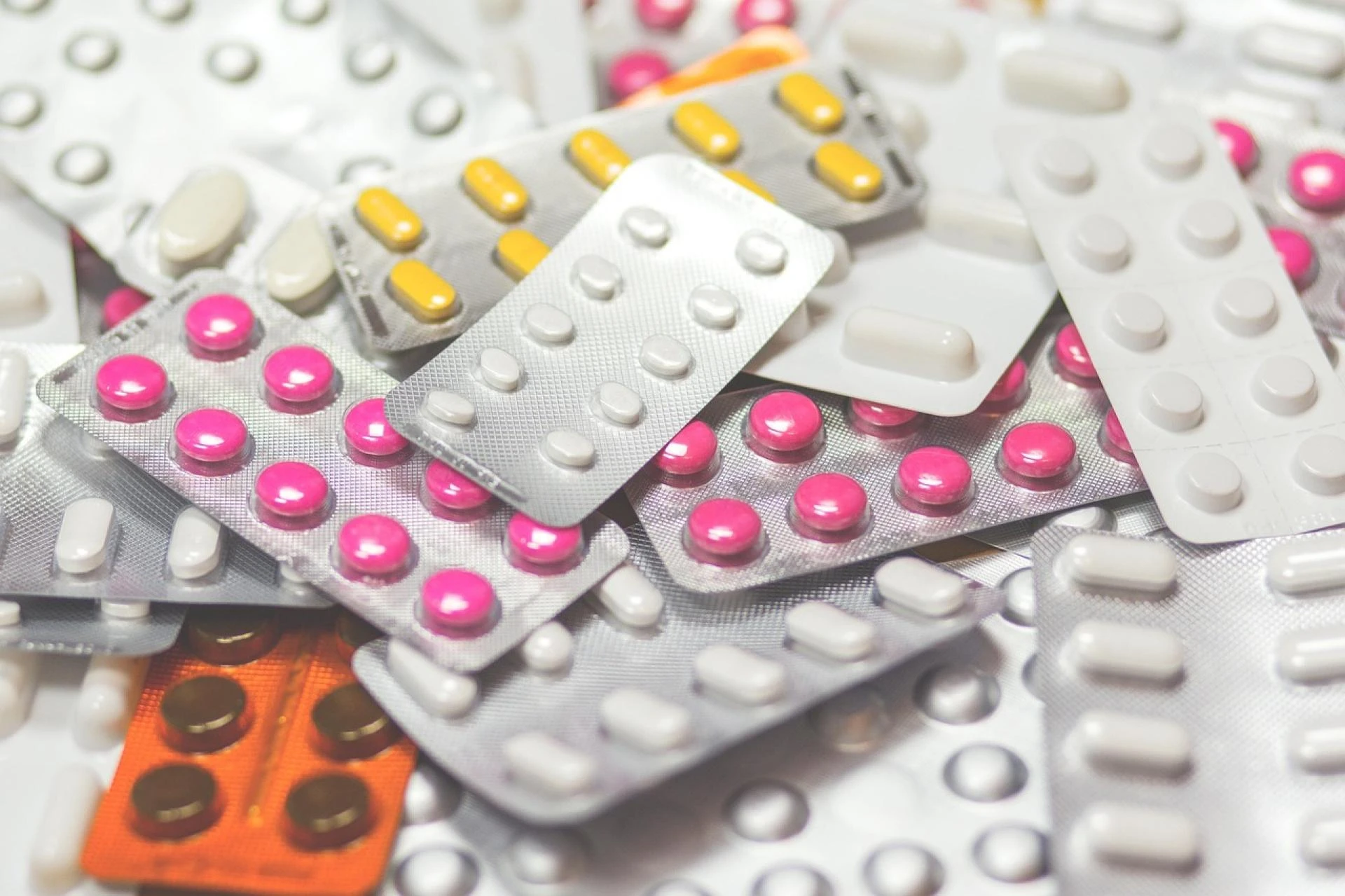
Everyday ailments, from headaches and colds to minor cuts and stomach upsets, can disrupt our routines. Though often not serious, a well-stocked medicine cabinet is key to finding relief and recovering comfortably at home. This article details the essential items to keep on hand for these common health issues.
These minor illnesses and injuries, like a nagging headache, a cold, a scraped knee, or indigestion, are frequent occurrences. While rarely requiring a doctor's visit, they can cause discomfort and hinder our daily functions. A well-prepared medicine cabinet, stocked with common household medicine, is crucial for managing these symptoms effectively. This guide will ensure you're ready to address those everyday health challenges.
Pain Relievers
Pain is a common symptom of many everyday ailments. Having effective pain relievers readily available is essential.
- Acetaminophen
Acetaminophen is a widely used pain reliever and fever reducer. It works by changing the road the body senses pain and cooling the body. It's effective for headaches, muscle aches, and fever. A common brand name is Tylenol.
- Nonsteroidal Anti-inflammatory Drugs (NSAIDs)
NSAIDs are another class of pain relievers that also reduce inflammation. They work by blocking the production of potential in the body that cause pain, fever, and inflammation. Common types include ibuprofen and naproxen. Common brand names include Advil, Motrin (for ibuprofen), and Aleve (for naproxen).
Cold And Allergy Medications
Colds and allergies can cause a range of uncomfortable symptoms. Having the proper medications can help alleviate these symptoms.
- Decongestants
Decongestants assist relieve nasal congestion caused by colds, allergies, or sinus infections. They work by decrease swollen blood vessels in the nasal passages, making it accessible to breathe. They are available as nasal sprays (e.g., oxymetazoline) and oral medications (e.g., pseudoephedrine, phenylephrine).
- Antihistamines
Antihistamines are used to relieve allergy symptoms such as sneezing, itching, and runny nose. They work by blocking the action of histamine, a substance released by the body during an afraid reaction. Common types include diphenhydramine, loratadine, and cetirizine. Common brand names include Benadryl (diphenhydramine), Claritin (loratadine), and Zyrtec (cetirizine).
- Cough Suppressants/Expectorants
Coughs can be either dry (non-productive) or productive (bringing up mucus). Different types of cough medications are used for each.
Digestive Health
Digestive issues like heartburn and diarrhea are common and can be pretty uncomfortable.
- Antacids
Antacids help to neutralize stomach acid, providing relief from heartburn, indigestion, and acid reflux. Common types include calcium carbonate (e.g., Tums) and magnesium hydroxide (e.g., Milk of Magnesia).
- Anti-diarrheal Medications
Anti-diarrheal medications help to slow down or stop diarrhea. A common type is loperamide (e.g., Imodium).
First-Aid Essentials
For minor cuts, scrapes, and burns, having a well-stocked first-aid kit is essential.
- Antiseptics
Antiseptics help to clean wounds and prevent infection. Common types include hydrogen peroxide and rubbing alcohol.
- Bandages
Bandages protect wounds and keep them clean. Different types are available, including adhesive bandages (e.g., Band-Aids) for minor cuts and scrapes, and gauze pads and tape for larger wounds.
- Antibiotic Ointment
Antibiotic ointments, such as Neosporin, help to prevent bacterial disease in minor cuts, scrapes, and burns.
Skin-Related Remedies
Skin irritations and conditions are everyday and can cause discomfort. Having appropriate remedies on hand can provide relief.
- Hydrocortisone Cream
Hydrocortisone cream is a mild corticosteroid used to relieve itching, redness, and inflammation from various skin conditions, such as eczema, insect bites, and rashes.
- Calamine Lotion
Calamine lotion is used to mitigate itching and discomfort from mild skin irritations, such as poison ivy, poison oak, and insect bites.
- Antifungal Creams
Antifungal creams, such as canesten or miconazole, are used to treat fungal disease of the skin, such as athlete's foot and ringworm.
Eye Care
Minor eye irritations and conditions can often be managed with over-the-counter products.
- Artificial Tears
Artificial tears are greasing eye drops used to relieve dryness and irritation caused by parts such as prolonged screen time, dry environments, or contact lens wear.
- Saline Solution
Saline result is a sterile solution of salt and water used to rinse the eyes and help remove foreign particles, allergens, or irritants.
Pediatric Considerations
When children experience common ailments, it's vital to have appropriate medications and tools on hand, and to administer them safely. Here are some key considerations for a pediatric medicine cabinet:
- Acetaminophen and Ibuprofen
These are essential for reducing fever and relieving pain in children.
- Oral Rehydration Solution
Children are more susceptible to dehydration from vomiting and diarrhea. Oral rehydration solutions (ORS), like Pedialyte, help to replace lost fluids and electrolytes.
- Digital Thermometer
A digital thermometer is crucial for accurately measuring a child's temperature. Rectal thermometers are most accurate for infants, while oral, temporal artery, or axillary thermometers can be used for older children.
- Saline Nasal Drops and Bulb Syringe
These can help relieve nasal congestion in child and young children, who may not be able to blow their noses.
Conclusion
Having a well-stored medicine cabinet with these essential items can help you effectively manage everyday ailments and promote faster recovery. Remember that this article provides general information and is not a substitute for professional medical advice. Always read and obey the instructions on medication labels, and consult a doctor or pharmacist for specific advice or if your symptoms worsen or persist. Proper storage of cures, out of reach of children and pets, is also crucial. By being prepared, you can address common health issues promptly and comfortably, allowing you to get back to your daily life as quickly as possible.
For Further Information
For more comprehensive information on common ailments and their treatments, please visit www.rama.mahidol.ac.th.
Frequently Asked Questions
1. What is the difference in the middle of brand-name and generic medications?
Generic cures contain the same active ingredients as their brand-name counterparts, but they may differ in inactive ingredients, appearance, and cost; they are generally less expensive.
2. How should I properly store medications in my medicine cabinet?
Medications should be stored in a cool, dry place, away from direct sunlight and out of reach of children and pets, and it's generally not recommended to store them in the bathroom due to humidity.
3. When should I seek medical attention for a common ailment?
You should seek medical attention if your symptoms are severe, do not improve after a few days of home treatment, or are accompanied by other concerning signs, such as high fever, difficulty breathing, or severe pain.
4. What are some essential first-aid supplies beyond those listed in the article?
In addition to antiseptics, bandages, and antibiotic ointment, a good first-aid kit should also include items like sterile gloves, scissors, tweezers, and a CPR mask.
5. How can I dispose of expired or unused medications safely?
Expired or unused cures should be disposed of according to local regulations, which may include take-back programs, special disposal instructions on the label, or mixing them with undesirable substances and placing them in the trash; flushing cures down the toilet is generally not recommended.