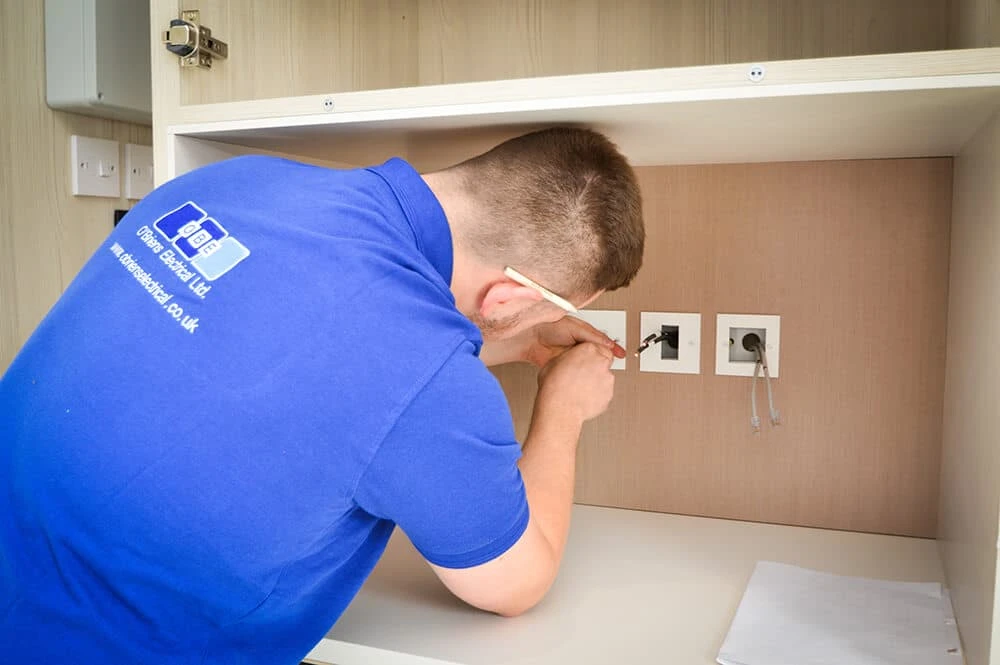
Electrical systems are a vital part of any home, yet they are often taken for granted—until something goes wrong. From flickering lights to overloaded circuits, even minor electrical issues can lead to inconvenience or, worse, serious safety hazards. Recognising these problems early and calling a trusted local electrician can save you time, money, and stress.
In this article, we will explore the most common electrical problems found in homes and explain how a qualified local electrician can address each issue efficiently and safely.
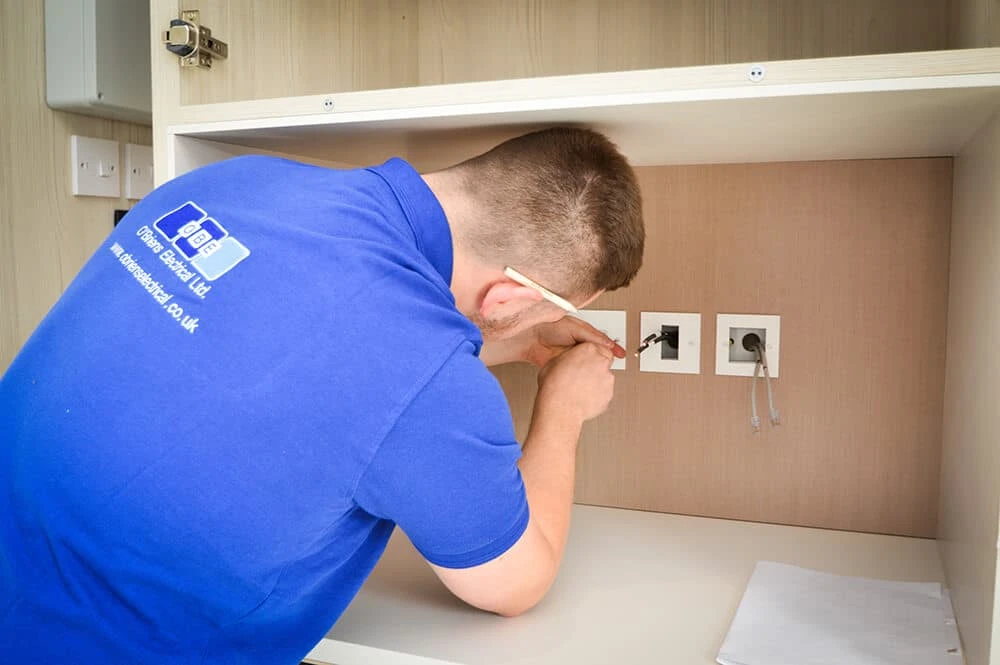
1. Flickering or Dimming Lights
One of the most noticeable signs of an electrical problem is flickering or dimming lights. While this can sometimes be due to a faulty bulb or loose fitting, persistent flickering may signal a more serious issue, such as:
● Loose wiring connections
● Overloaded circuits
● Voltage fluctuations
A local electrician can inspect the wiring, identify the source of the flickering, and take corrective measures—whether it’s rewiring a section of the home or balancing the electrical load more effectively.
2. Frequent Circuit Breaker Trips
Circuit breakers are intended to protect your home against electrical overloads. However, if your circuit breaker is tripping often, it could be due to:
● An overloaded circuit
● A short circuit
● Ground fault surges
● Faulty appliances
Instead of repeatedly resetting the breaker, it’s safer to contact an electrician in Bexleyheath. They will identify the root cause—be it faulty wiring or an under-capacity panel—and offer a long-term solution.
3. Buzzing Sounds or Burning Smells
Electrical systems should run silently. If you notice buzzing noises coming from outlets or switches, or detect a burning smell, it's a major red flag. Possible causes include:
● Loose wiring
● Overheated outlets
● Damaged switches or sockets
● Worn insulation
These issues can pose a serious fire risk and should never be ignored. A qualified local electrician can isolate the problem area and repair or replace damaged components before they become dangerous.
4. Warm or Discoloured Outlets
Outlets that feel warm to the touch or show signs of discolouration (brown or black marks) could indicate:
● Overloaded circuits
● Internal arcing
● Loose connections
An electrician near Bexleyheath will carry out a thorough safety inspection to determine the cause and replace or upgrade any faulty outlets. In some cases, a full circuit assessment might be required to prevent recurrence.
5. Dead Outlets
An outlet that suddenly stops working might not seem urgent, but it could signal a bigger issue. Common causes include:
● Tripped GFCI outlet
● Burnt-out connections
● Wiring problems behind the wall
A professional electrician will test the circuit, trace the issue back to its source, and repair or replace any damaged parts. It’s a simple job for a trained expert, but a dangerous one for DIYers.
6. Overloaded Power Boards and Extension Cords
Many households rely on extension cords and power boards to plug in multiple devices, especially in older homes with fewer outlets. However, over-reliance on these can lead to:
● Overloaded circuits
● Fire hazards
● Damaged outlets
A local electrician can assess your power needs and install additional sockets or circuits where necessary. This not only makes your home safer but also more convenient.
7. Old or Outdated Wiring
Homes built decades ago may still have original wiring that doesn’t meet today’s safety standards. Signs of outdated wiring include:
● Frequent blown fuses or tripped breakers
● Aluminium wiring (common in homes built in the 60s and 70s)
● Lack of grounding
● Two-prong outlets instead of three-prong
A local electrician can carry out a full wiring inspection and recommend rewiring or upgrades to bring your home up to code. This is especially important if you’re renovating or planning to sell the property.
8. Inconsistent Power Supply
If some rooms have power surges or frequent drops in voltage, this could be due to:
● Faulty wiring
● Problems with your main electrical panel
● Issues with your utility provider’s supply
A local electrician can conduct voltage tests throughout the home and determine whether the problem lies within your system or requires a call to the utility company. In most cases, electrical panel upgrades or circuit balancing can resolve the issue.
9. Lack of GFCI Outlets in Wet Areas
Ground Fault Circuit Interrupters (GFCIs) are required in areas like kitchens, bathrooms, garages, and outdoor spaces to prevent electric shock. If your home lacks GFCI outlets in these zones, it poses a significant safety risk.
A local electrician can install GFCI outlets quickly and affordably, ensuring that your home is safe and compliant with current electrical codes.
10. Light Bulbs Burning Out Too Quickly
If you’re constantly replacing bulbs, especially in the same fixture, there may be a more profound issue, such as:
● Voltage fluctuations
● Incorrect wattage
● Faulty wiring
Rather than waste money on replacements, have a local electrician inspect the fixture and the surrounding circuit to determine the cause and implement a permanent fix.
Protect Your Home: Book an Electrical Inspection Now
Electrical issues should never be ignored. Even seemingly small problems can develop into dangerous situations if left unchecked. The good news is that with the help of a trusted local electrician, you can resolve most electrical issues quickly and safely.
If your home is showing any of the signs mentioned above, don’t wait. Book a consultation or inspection with a qualified professional in your area. Investing in your home’s electrical safety today means greater peace of mind and fewer costly surprises down the road.