
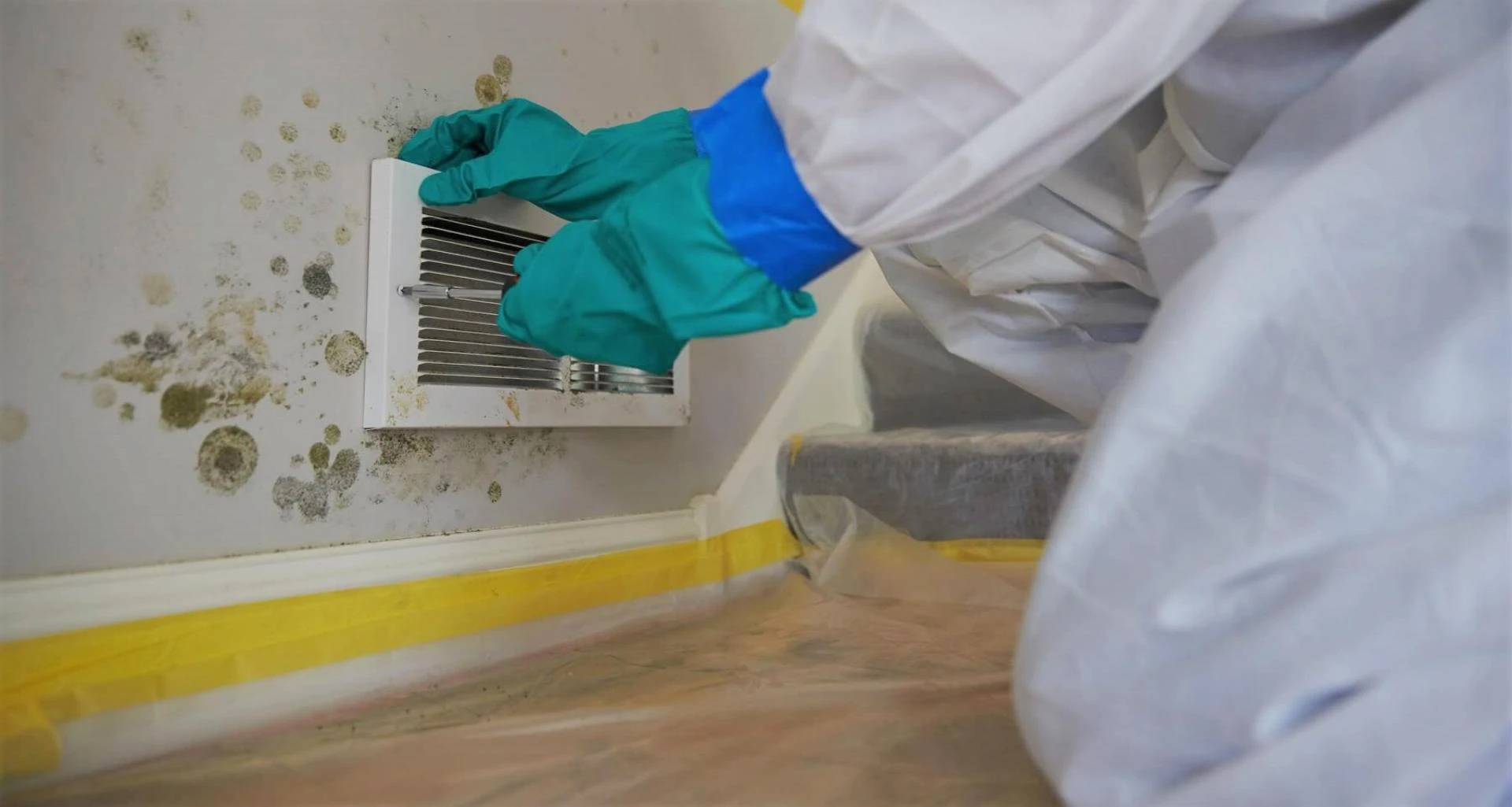
Mold is more than a gross annoyance—it can cause serious health threats and create major structural problems if not addressed. For homeowners, knowing the mold remediation process is important to safeguard your home and family. Whether mold has appeared as a result of recent flooding or ongoing moisture concerns, prompt action is essential.
In communities such as Middletown, NJ, where humidity rates can change, mold growth is a typical problem. That is why professional mold removal in Middletown, NJ often becomes a necessary part of overall cleanup. The following is an explanation of what all homeowners should understand about the process of mold remediation.
What Causes Mold Growth?
Mold flourishes in wet, dark, and warm places. Storms or flooding and poor ventilation, as well as leaky pipes, are the most prevalent offenders. When water damage is not repaired immediately, mold will start to develop in 24 to 48 hours.
Homeowners who have been victims of flooding or plumbing leaks may want to use water damage restoration in Middletown, NJ to stop mold from growing. The faster the water is removed and the area is dried, the less chance of mold contamination.
Step-by-Step Mold Remediation Process
1. Initial Assessment and Inspection
The process of mold remediation begins with an inspection. Mold is detected, including in concealed spaces like behind walls or under the floor, using specialized equipment such as moisture meters and infrared cameras.
In this process, the severity of the mold issue is determined. The mold remediation crew will also identify the moisture source and prescribe appropriate measures to avoid future growth.
2. Containment of Affected Areas
To prevent cross-contamination, containment is essential. Containment involves technicians using plastic sheeting, negative pressure machines, and HEPA filters to contain the infected zones. This helps keep the mold spores from further spreading to the rest of the house during the cleaning process.
In particular, in bigger houses or houses with HVAC units, the spores can easily be disseminated throughout the ducts if not contained.
3. Air Filtration
Airborne mold spores can be hazardous to health. HEPA (High-Efficiency Particulate Air) filters are used to capture tiny spores from the air. Air scrubbers and vacuums fitted with HEPA filters help clean the environment and reduce the risk of recontamination.
4. Removal of Mold and Contaminated Materials
After the area is sealed and air filtration is implemented, the actual removal of mold physically starts. Porous items like drywall, carpet, and insulation that are infected with mold usually must be replaced. Non-porous items like tile or metal can usually be washed and disinfected.
This process is very detailed and must be treated carefully to remove mold colonies completely.
5. Cleaning and Sanitization
After the removal of mold, surfaces are cleaned and disinfected with antimicrobial treatments to destroy any remaining spores. In certain instances, professional-strength deodorization is also utilized to destroy the musty odor related to mold.
Preventative coatings may also be applied by technicians to walls or wood surfaces to prevent future mold growth.
6. Restoration and Repair
The last step is the restoration of your home back to its pre-damage condition. This could involve new insulation, repainting walls, or replacing drywall. Good mold remediation businesses tend to include restoration services as part of their overall package to fix these problems effectively.
If the mold was caused by flooding or water leaks, you may require water damage restoration in Middletown, NJ to fix flooring, baseboards, or roofing.
Health Risks Associated with Mold
Mold exposure can cause a range of health problems, particularly for those with allergies, asthma, or compromised immune systems. Some of the most common symptoms are coughing, sneezing, eye irritation, rashes on the skin, and respiratory issues. That's why it's important to move quickly and get experts involved when the presence of mold has been detected.
Young children and older adults should be extra careful since they are also more vulnerable to health problems due to mold.
Why Hire Professionals?
Though minor mold issues may be addressed with over-the-counter cleaners, extensive infestations need professional removal. Trained mold removal experts in Middletown, NJ have the equipment, training, and safety equipment needed to remove toxic mold safely and efficiently.
Additionally, professional intervention guarantees not only that mold is eliminated but also the moisture problems that led to it so that it does not recur.
Preventing Future Mold Problems
Once remediated, homeowners can take measures to minimize the likelihood of mold recurrence:
- Fix Leaks Immediately: Address roof, plumbing, and window leaks as soon as they occur.
- Use Dehumidifiers: In damp areas like basements, a dehumidifier can help maintain healthy humidity levels.
- Improve Ventilation: Make sure bathrooms, kitchens, and laundry rooms are properly ventilated.
- Schedule Regular Inspections: If your home has a history of moisture issues, routine inspections can catch problems early.
Final Thoughts
Mold can lead to severe issues if not treated in a timely and effective manner. For New Jersey homeowners, especially those in beach communities such as Middletown, the seasonal humidity combined with older residences makes mold a prevalent issue. Spending money on professional mold removal in Middletown, NJ as well as complete water damage restoration.
Can be the difference between a safe, clean, and healthy home and one that poses risks to its occupants. If you suspect mold in your home, don’t wait contact a certified remediation specialist and take control of the situation before it escalates.