When it comes to electrical work, it’s important to understand the key differences between commercial and residential electrical work. Both types of electricians play essential roles in keeping our homes and businesses powered, but their jobs, skills, and responsibilities differ significantly. In this guest post, we’ll explore the distinctions between these two areas of electrical work and help you determine when you need to call a professional.
1. Scope of Work
One of the most obvious differences between commercial and residential electrical work is the scope of the job.
- Residential Electrical Work: Residential electricians typically work in homes or private properties. Their tasks involve wiring homes, installing lighting, repairing faulty circuits, and addressing general electrical issues such as faulty outlets, circuit breakers, and lighting. Residential electricians often work on a smaller scale and focus on systems that provide power for everyday household needs.
- Commercial Electrical Work: Commercial electricians, on the other hand, handle larger-scale electrical systems in business settings. This can include everything from office buildings, shopping malls, factories, schools, to warehouses. The scale of commercial projects is much larger, and the systems they work with are far more complex. They deal with high-voltage circuits, larger electrical panels, and advanced machinery, making their expertise crucial in business operations.
2. Complexity of Systems
Electrical systems in commercial spaces are significantly more complex than those in residential properties.
- Residential Electrical Systems: In a home, the electrical system is relatively simple and is designed to power everyday appliances such as lights, refrigerators, TVs, and computers. The wiring and circuit systems are not as elaborate and don’t typically exceed a 200-amp service. Residential electrical jobs are usually focused on installations, repairs, and upgrades that cater to individual electrical needs.
- Commercial Electrical Systems: Commercial electrical systems are vastly more intricate and require a deeper understanding of electrical engineering. Commercial buildings may require three-phase power, larger distribution systems, and more advanced control systems for equipment and machinery. These buildings also require more complex lighting and HVAC systems, data wiring, and security systems. Commercial electricians are trained to install and maintain these systems, ensuring everything is operating safely and efficiently for long-term functionality.
3. Scale of Work and Project Size
The scale of work varies greatly between commercial and residential projects.
- Residential Projects: These projects tend to be smaller in scale and can often be completed by one electrician within a few hours or days. For example, rewiring a kitchen, upgrading electrical outlets, or fixing a broken light switch are tasks that a residential electrician is typically hired for. Residential projects are more straightforward, requiring less collaboration and fewer resources.
- Commercial Projects: Commercial projects, however, involve a much larger scope and often require a team of electricians working together. Commercial electricians often work with multiple contractors, electrical engineers, and architects to install large electrical systems, machinery, and safety features. These projects can take weeks or even months to complete, depending on the size of the building and the complexity of the systems involved.
4. Workplace Safety and Regulations
Safety is paramount in both commercial and residential electrical work, but commercial electricians often face stricter regulations and codes.
- Residential Electrical Work: Residential electricians must follow safety codes and local regulations, but these rules are usually less stringent compared to commercial regulations. They must ensure that the work they do meets national standards for electrical systems, preventing hazards like electrical fires, shocks, and power surges.
- Commercial Electrical Work: Commercial electricians face additional safety and regulatory concerns, especially when dealing with high-voltage systems, machinery, and critical infrastructure. They must adhere to occupational health and safety standards, building codes, and other industry-specific regulations. This can include ensuring that systems are compliant with local, state, and national safety codes, such as those outlined in the National Electrical Code (NEC) in Australia. In addition, commercial electricians often handle larger power supplies, which require enhanced safety measures to prevent accidents, fires, or equipment damage.
5. Specialized Equipment and Tools
Another key difference between commercial and residential electricians is the type of equipment and tools they use.
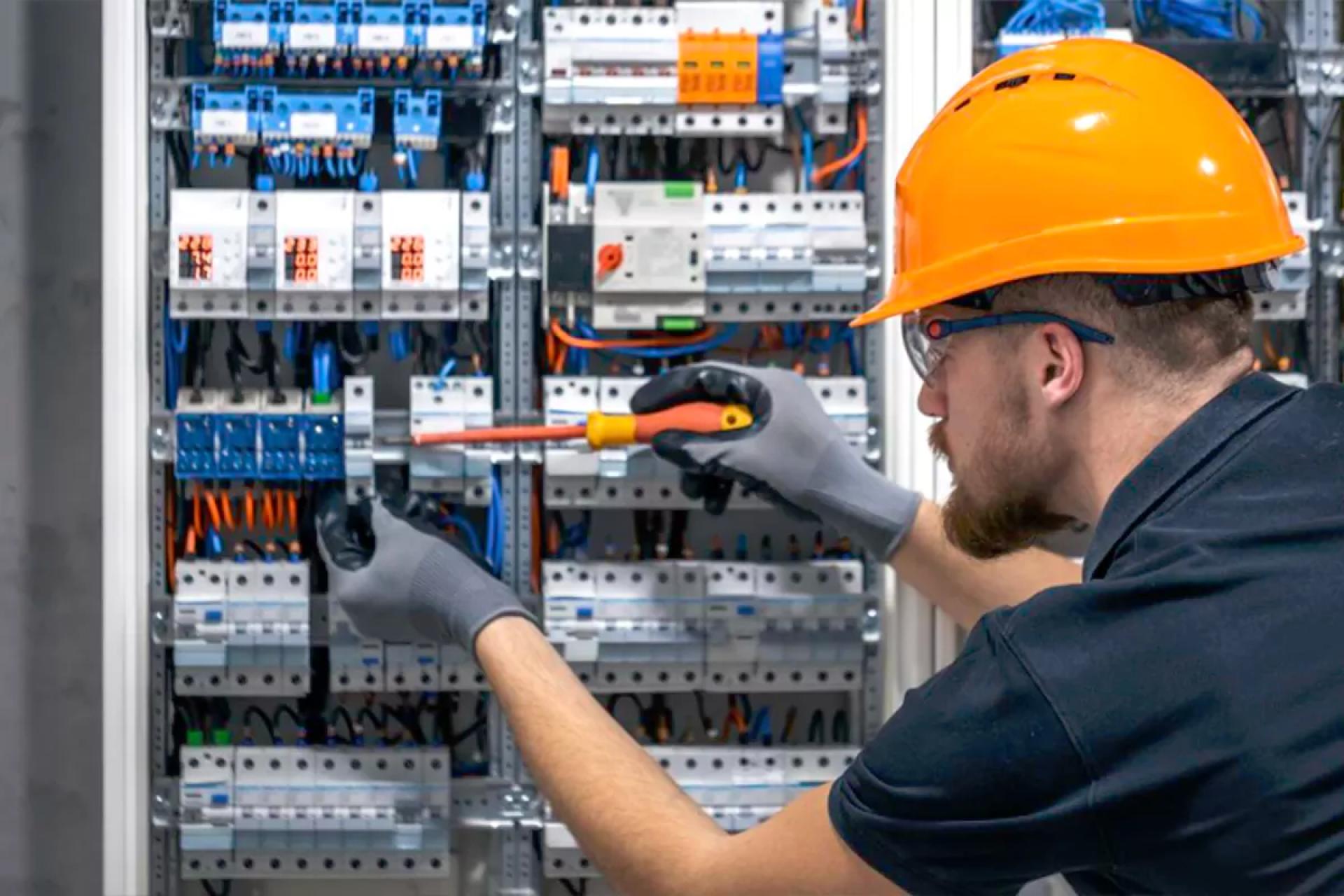
- Residential Electrical Tools: Residential electricians generally use standard tools such as screwdrivers, pliers, wire cutters, multimeters, and drills. The equipment is suited for smaller, less complex tasks like wiring, troubleshooting, and installing simple lighting systems.
- Commercial Electrical Tools: Commercial electricians, however, often work with specialized equipment and tools. They need tools that can handle larger, high-voltage systems and complicated machinery. They may use power tools for heavy-duty tasks, as well as testing devices to ensure the integrity of large systems. Additionally, commercial electricians frequently use heavy-duty cables, voltage testers, and industrial-grade connectors, among other tools.
6. Training and Expertise
The training and experience required for commercial and residential electricians also differ.
- Residential Electricians: Residential electricians usually go through apprenticeships and formal education to learn the basics of electrical systems. They are trained to install, maintain, and repair electrical systems in homes, focusing on general electrical issues such as lighting, heating, and appliance wiring.
- Commercial Electricians: Commercial electricians undergo similar training but often take additional courses in industrial electrical systems and high-voltage equipment. They are typically trained to work on large, complex systems such as power generation, HVAC units, and machinery used in commercial settings. Their expertise extends to troubleshooting large-scale systems, wiring data centers, and providing power to industrial machines, requiring a higher level of technical knowledge.
7. Cost and Pricing
Because of the difference in scale and complexity, commercial electrical work tends to cost more than residential electrical work.
- Residential Electrical Work: Residential electricians generally charge lower rates because the jobs are less complex and take less time to complete. The cost is often based on an hourly rate or a flat fee for standard jobs such as rewiring a home or replacing outlets.
- Commercial Electrical Work: Commercial electrical work is often priced higher due to the scale of the work involved, the complexity of the systems, and the specialized skills required. Since commercial projects can take weeks or even months, they often require larger teams and additional resources, which increases the overall cost.
8. Emergency Services
Both types of electricians offer emergency services, but the urgency of commercial work can be much higher.
- Residential Electricians: Residential electricians may offer emergency services for things like power outages or electrical hazards, but these issues tend to be less time-sensitive.
- Commercial Electricians: Commercial electricians, however, often work under tight deadlines, especially when businesses rely on continuous power for operations. A power failure in a commercial building can result in significant loss of productivity, equipment damage, and revenue loss. Therefore, emergency services in commercial settings are often a top priority.
Conclusion
In conclusion, while both commercial and residential electricians are skilled professionals, their roles, training, equipment, and the nature of their work differ greatly. Commercial electricians handle larger, more complex systems in business settings, whereas residential electricians deal with more straightforward tasks in homes. Understanding these differences can help you make an informed decision when hiring an electrician for your needs.
At Brian Brothers Electrical, we have a team of highly trained electricians who specialize in both residential and commercial electrical services. Whether you need a simple electrical repair at home or a large-scale commercial project, our expert team is ready to assist you. Visit our website to learn more about our services and how we can help with your next electrical project.