The image of a water treatment plant is often one of massive concrete tanks, vast pipe networks, and industrial quiet. While the core physical and chemical processes remain, a silent, digital revolution is underway within these facilities.
The convergence of Artificial Intelligence (AI) and the Internet of Things (IoT) is transforming water and wastewater treatment from a reactive, experience-driven operation into a predictive, optimized, and highly efficient smart system. This shift is not just about convenience; it’s a critical step towards ensuring water security, operational resilience, and environmental compliance in the 21st century.
From Reactive to Predictive: The Power of Real-Time Data
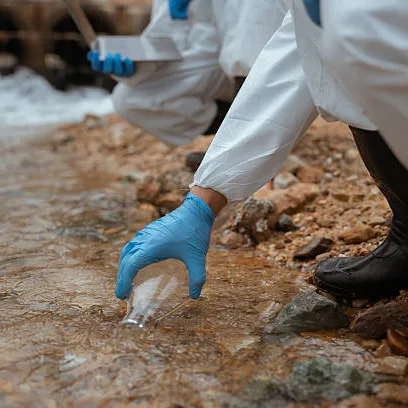
The foundation of this transformation is data. Traditional plants rely on periodic manual sampling and lab tests, providing a snapshot of water quality hours or even days old. IoT changes this by deploying networks of smart sensors throughout the treatment train—measuring parameters like pH, turbidity, dissolved oxygen, chemical residual, pressure, and flow in real-time.
This constant stream of data is the lifeblood of the smart plant. However, data alone is not insight. This is where AI and machine learning algorithms come in. They process this vast, continuous dataset to identify patterns, correlations, and anomalies invisible to the human eye. The most immediate impact is in predictive maintenance.
Instead of waiting for a pump to fail or a sensor to drift, AI models can analyze vibration, temperature, and performance data to predict equipment failure weeks in advance, scheduling maintenance only when needed and avoiding catastrophic downtime.
Optimizing the Core: Chemical Efficiency and Process Control
For companies like HOO CHEMTEC, which supply the essential chemicals for treatment, this intelligence is revolutionizing application strategies. Chemical dosing for coagulation, disinfection, pH adjustment, and corrosion inhibition has traditionally been based on set formulas and manual adjustments.
Smart systems now enable precise, dynamic dosing. AI algorithms can analyze incoming water quality (e.g., raw water turbidity, organic load) and desired output standards, then calculate and automatically adjust chemical feed pumps in real-time. This ensures optimal treatment efficacy while minimizing chemical usage—a direct reduction in both cost and environmental footprint.
For instance, an AI model can learn the exact relationship between raw water characteristics and the optimal dose of a coagulant like Polyaluminum Chloride (PAC), achieving the same clarity with 10-20% less product.
Beyond the Plant: Integrated Water Management and Sustainability
The benefits extend beyond the fence line of the treatment facility. AI-powered systems can integrate weather forecasts, predicting storm events that will increase inflow and infiltration into wastewater networks. Plants can proactively adjust operations to handle the surge. In water distribution networks, sensors and AI can pinpoint leaks in real-time, saving millions of gallons of lost water.
Furthermore, this technology is a powerful tool for sustainability reporting and compliance. Every action, adjustment, and chemical dose is logged and analyzable, creating an immutable digital record for regulators. Plants can accurately report their energy and chemical intensity, track their progress toward reduction goals, and simulate the impact of different operational or infrastructural changes.
The Human Element: Augmented Intelligence
A common concern is that AI will replace plant operators. The reality is more nuanced. These technologies act as force multipliers for human expertise. They handle the continuous monitoring and complex calculations, freeing highly skilled operators from routine tasks.
Instead, operators are elevated to the role of system overseers and strategists, interpreting AI recommendations, handling exceptions, and focusing on long-term optimization and planning. The system provides actionable insights, but the human remains in command, making critical decisions based on a richer information base than ever before.
Conclusion: The Clear Path Forward
The integration of AI and IoT into water treatment is no longer a futuristic concept; it is an operational imperative. The challenges of aging infrastructure, climate volatility, and stringent environmental standards demand smarter solutions. This “invisible revolution” in data and intelligence enables a leap forward in efficiency, resilience, and sustainability.
It represents a fundamental shift from treating water by schedule to treating it by intelligent, adaptive need. For the industry, the question is not if, but how quickly it can adopt and adapt to this new paradigm, turning data into its most valuable resource for protecting our most vital one: water.