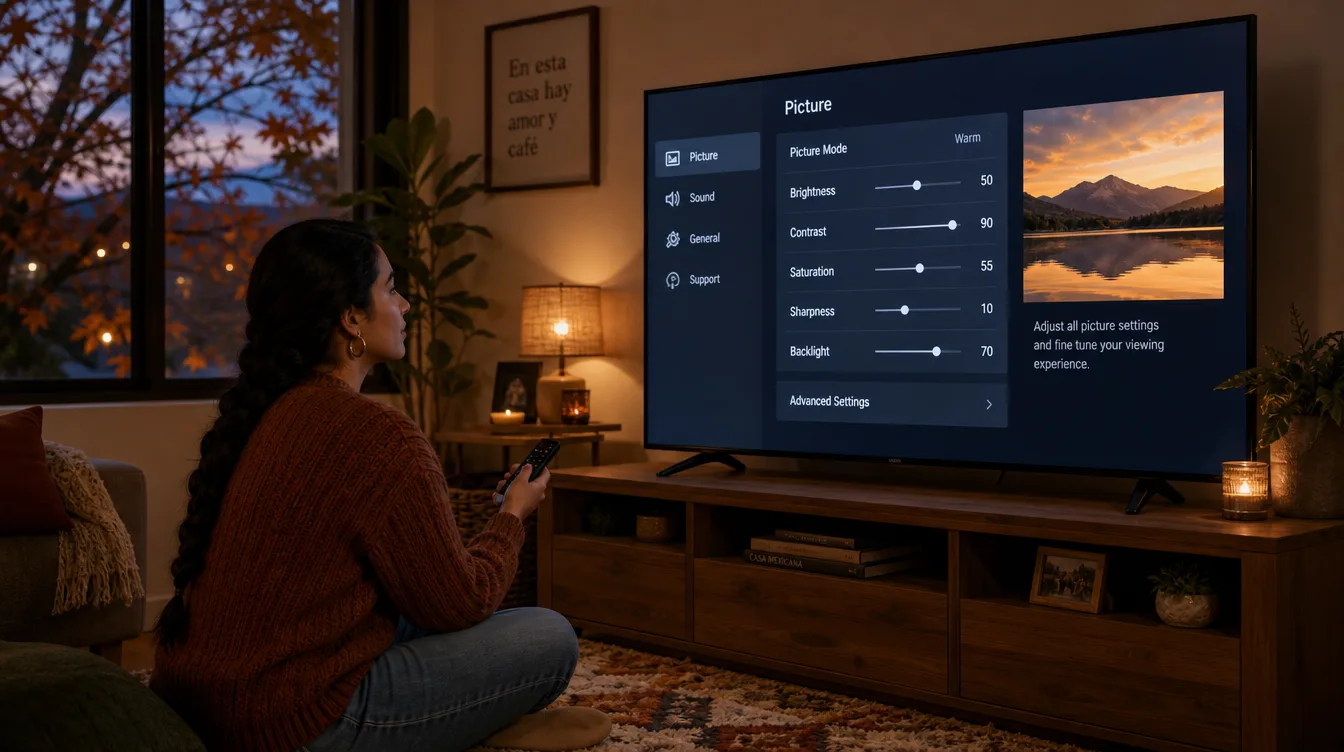
Picture a typical evening at home. You settle onto the couch, grab the remote, and turn on your smart television. The screen flickers to life, displaying a personalized menu of shows and movies tailored exactly to your tastes. It feels like magic, a seamless blend of convenience and modern entertainment. Yet, behind this effortless experience lies a complex web of data collection that most viewers never consider. This is where the concept of automatic content recognition enters the picture, quietly observing your habits to build a detailed profile of your viewing preferences. While these technologies offer undeniable benefits for personalized entertainment and targeted advertising, they also raise significant questions about digital privacy in our most intimate spaces.
Decoding the Digital Fingerprint
To truly grasp the implications of this system, we must first look at its basic definition. At its core, this recognition technology works by capturing tiny fragments of audio and video from whatever is playing on your screen. These fragments act as unique digital fingerprints. The television or connected device then sends these fingerprints to a central server to be matched against a massive database of known media. This process happens continuously, whether you are watching a live broadcast, streaming a movie, or playing a video game. The system does not record the actual content you are watching. Instead, it creates a mathematical representation of the audio and visual data. Audio matching relies on acoustic signatures, while video matching looks at pixel patterns and color histograms. These matching technologies do not store hours of your personal viewing history in raw video format, which is a vital distinction for understanding how the system operates securely.
The Billion Dollar Analytics Engine
Why do manufacturers and media giants invest so heavily in these capabilities? The answer lies in the evolving ecosystem of television consumption. Traditional rating systems, which relied on small sample sizes of households keeping viewing diaries, are rapidly becoming obsolete. Today, audiences are fragmented across dozens of streaming platforms and connected devices. This fragmentation creates a massive blind spot for advertisers and broadcasters trying to measure actual engagement. Enter the acr technology market, which has exploded in value as businesses seek precise, real-time data. Major television manufacturers and dedicated analytics firms have realized that the smart screens sitting in millions of living rooms are essentially giant data gathering nodes. By understanding exactly what consumers watch, these companies can sell highly targeted advertising slots.
This shift fundamentally changes who holds the power in the media ecosystem. Historically, television networks owned the relationship with the viewer. Now, the hardware manufacturers possess the ultimate data advantage. They know exactly when a viewer changes the channel during a commercial break, providing undeniable proof of whether an advertisement actually captured attention. This granular level of insight allows advertisers to optimize their spending with unprecedented accuracy, shifting billions of dollars in ad revenue toward connected television platforms. The financial incentives are enormous, driving rapid innovation and widespread adoption across the consumer electronics sector.
The Invisible Observer in Your Home
While the business case is clear, the privacy implications are where public concern truly lies. When you agree to the lengthy terms of service during your initial television setup, you often unknowingly consent to this continuous data harvesting. The system tracks not just what you watch, but when you watch it, how long you watch it, and sometimes even what other devices on your home network are doing. This creates a comprehensive behavioral profile. Critics argue that this level of surveillance crosses a line, turning a household appliance into an always-on monitoring device. The psychological impact of knowing your entertainment choices are being constantly logged can be unsettling. The data collected is frequently shared with third-party advertising networks, meaning your viewing habits could influence the ads you see on your phone, tablet, or computer. This cross-device tracking blurs the line between your living room privacy and your broader digital footprint.
Mastering the Opt-Out Maze
For consumers who feel uncomfortable with this level of scrutiny, taking control of the situation is possible, though often frustratingly complex. Most major television brands include settings to disable these tracking features, but they are rarely prominent. You typically have to dig through multiple layers of menus, often hidden under sections labeled privacy, terms, or system settings. The user interface is usually designed to make opting in easy and opting out difficult. Disabling these features might reset your personalized recommendations or alter the user interface experience. Privacy advocates strongly recommend that users review their television settings immediately after purchase. By turning off broadcast flag recognition and viewer data collection, you can significantly reduce the amount of information leaving your home. It requires a bit of technical patience, but the peace of mind is well worth the effort.
Finding Harmony Between Convenience and Confidentiality
As smart home devices become increasingly intertwined with our daily routines, the debate over data collection will only intensify. The industry is currently at a crossroads, balancing the consumer demand for hyper-personalized experiences with the growing public desire for digital autonomy. We are likely to see stricter regulations emerge globally, forcing manufacturers to be more transparent about their data practices and giving users clearer choices. True innovation will not just be about gathering more information, but about doing so with explicit, informed consent.
Education will play a massive role in this transition. When consumers fully understand the trade-offs between free personalized services and their personal data, they can make choices that align with their own values. The technology itself is neutral, a remarkable feat of modern engineering that solves a very real problem for the media industry. It is the application of these tools that requires careful oversight and ethical consideration. Ultimately, the goal should be a television experience that enriches our lives without compromising the sanctity of our homes. The invisible eye in the living room is here to stay, but it is up to us to decide exactly how wide we leave the blinds open.