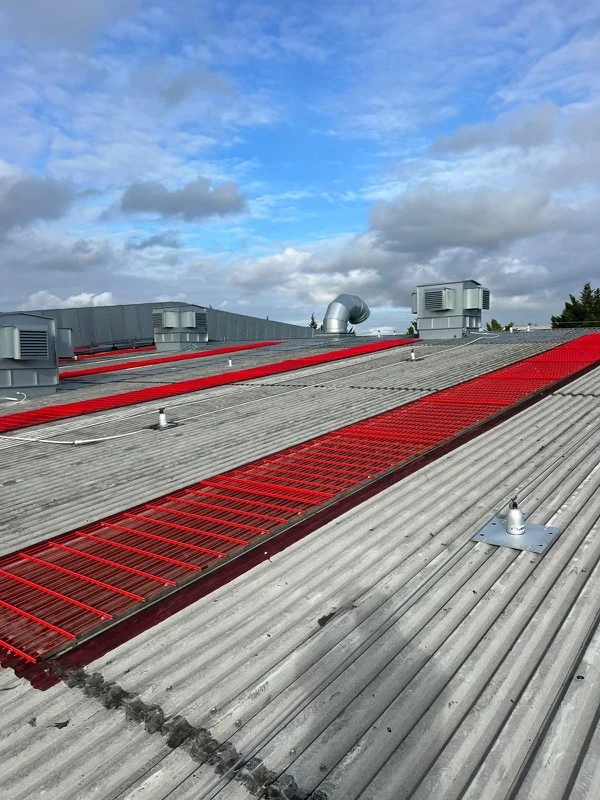
Roofs are among the most critical components of any building, protecting it from weather damage, temperature fluctuations, and external wear. Over time, even the best roofing materials can degrade due to constant exposure to rain, sun, wind, and pollution. This is where roof coatings & waterproofing systems play an essential role. These specialized solutions not only extend the lifespan of roofs but also improve their performance by adding an extra protective barrier. By investing in advanced coating and waterproofing technologies, property owners can save significantly on costly repairs and replacements in the long run.
Modern building practices increasingly emphasize sustainability and efficiency. Roof coatings help reduce energy costs by reflecting sunlight, which keeps buildings cooler during the summer months. At the same time, waterproofing systems eliminate the risk of leaks and moisture damage, which can compromise structural integrity and create health hazards like mold. Taken together, these solutions represent a practical, cost-effective, and environmentally responsible approach to building maintenance.
Roof coatings are applied as a liquid membrane that forms a seamless, protective layer over the roof surface. This layer defends against ultraviolet rays, chemical exposure, and mechanical damage. Because they act as a barrier, roof coatings reduce the impact of thermal expansion and contraction, which is one of the primary reasons roofing materials deteriorate over time. With proper application, these coatings can add years to the life of a roof while minimizing maintenance requirements.
Beyond durability, roof coatings contribute significantly to building efficiency. Reflective coatings, for example, bounce back solar radiation, reducing the amount of heat absorbed by the roof. This directly lowers indoor cooling costs and helps maintain a comfortable temperature inside. In urban areas, such energy-efficient systems also reduce the “heat island effect,” promoting more sustainable communities. For commercial and residential buildings alike, applying a high-quality coating is a wise long-term investment.
Water infiltration is one of the most common and damaging issues that buildings face. Even a small leak can lead to extensive problems if left unaddressed. Waterproofing systems are designed to prevent water from seeping into the building structure, thereby protecting walls, ceilings, and foundations from decay. These systems are especially vital in regions with heavy rainfall or fluctuating weather conditions, where roofs are consistently exposed to moisture.
A well-designed waterproofing system ensures that rainwater and condensation drain efficiently without accumulating in vulnerable areas. Advanced waterproofing solutions are engineered to adapt to different roofing materials, whether it’s concrete, metal, or bitumen. By integrating roof coatings & waterproofing systems, property owners can create a comprehensive shield against both external weather threats and long-term structural issues, ensuring the building remains safe, secure, and dry.
The advantages of adopting these solutions are multifaceted, providing both immediate and long-term benefits to property owners. One of the most significant advantages is cost savings. Since these systems extend the lifespan of a roof, they reduce the frequency of expensive replacements. Moreover, they lower repair costs by preventing issues before they become serious.
From an environmental standpoint, roof coatings improve energy efficiency, leading to reduced carbon footprints and lower utility bills. Meanwhile, waterproofing protects indoor spaces from dampness, mold, and mildew, which can otherwise cause health problems and damage furniture or equipment. Together, roof coatings & waterproofing systems deliver peace of mind by safeguarding both the structure and its occupants, making them a smart investment for homeowners and businesses alike.
Not all roof coatings are created equal, and selecting the right type depends on the specific requirements of the building. Acrylic coatings, for example, are popular because they are cost-effective, highly reflective, and resistant to ultraviolet radiation. Silicone coatings, on the other hand, provide excellent waterproofing and are especially effective on flat roofs where water pooling may occur. Polyurethane coatings are known for their superior durability and resistance to foot traffic, making them ideal for commercial settings.
Each coating material comes with unique properties that make it suitable for certain applications. Understanding these differences helps building owners and contractors make informed decisions. A professional roofing service can assess the condition of the roof and recommend the most suitable coating type. By matching the right product to the specific needs of a building, property owners can maximize both protection and efficiency.
Waterproofing technology has evolved to include a wide range of innovative systems that cater to diverse building requirements. Liquid-applied membranes are among the most common, creating a seamless, flexible layer that adapts to the shape of the roof. Bituminous membranes, often used in traditional roofing, remain popular for their proven reliability. More advanced solutions include polyurethane liquid membranes, which offer high elasticity and durability.
The choice of waterproofing system depends on several factors, including climate conditions, building design, and budget. For instance, flat roofs may benefit from a liquid-applied membrane due to its ability to prevent water accumulation, while sloped roofs may use sheet-based systems for added strength. Regardless of the choice, investing in a professionally installed waterproofing system ensures long-lasting protection against leaks, water infiltration, and the costly consequences of moisture damage.
While roof coatings & waterproofing systems significantly reduce the need for frequent repairs, routine maintenance is still essential to ensure long-term effectiveness. Regular inspections help identify potential issues such as cracks, blistering, or areas where the coating may have thinned. Early detection allows for quick repairs before they escalate into larger problems.
Cleaning the roof surface is another important step, as debris, algae, and standing water can compromise the protective layer. In addition, property owners should schedule professional maintenance every few years to reapply coatings where necessary and refresh waterproofing layers. By combining proactive upkeep with advanced protective solutions, buildings remain secure and cost-efficient throughout their lifecycle.
The effectiveness of roof coatings and waterproofing solutions largely depends on the expertise of the contractors installing them. A professional roofing company will not only recommend the most suitable materials but also ensure that they are applied correctly for maximum performance. Poor installation can compromise even the best products, leading to premature failure and wasted investment.
When selecting a contractor, property owners should look for experience, certifications, and positive client testimonials. A trusted professional can assess the unique needs of the building and provide tailored recommendations that align with both budget and performance expectations. By partnering with knowledgeable experts, property owners can guarantee that their roof coatings & waterproofing systems deliver the promised durability, energy savings, and protection.
The longevity and performance of any building depend heavily on the condition of its roof. By adopting modern solutions such as roof coatings & waterproofing systems, property owners gain reliable protection against environmental wear, water infiltration, and high energy costs. These technologies represent a practical and sustainable way to extend the lifespan of roofs while reducing overall maintenance expenses.
In an era where cost efficiency and environmental responsibility are equally important, coatings and waterproofing systems offer a balance of both. From enhancing durability to ensuring occupant comfort, their benefits are far-reaching. Whether for residential homes or commercial buildings, investing in these solutions is a proactive step that ensures the safety, efficiency, and value of the property for years to come.