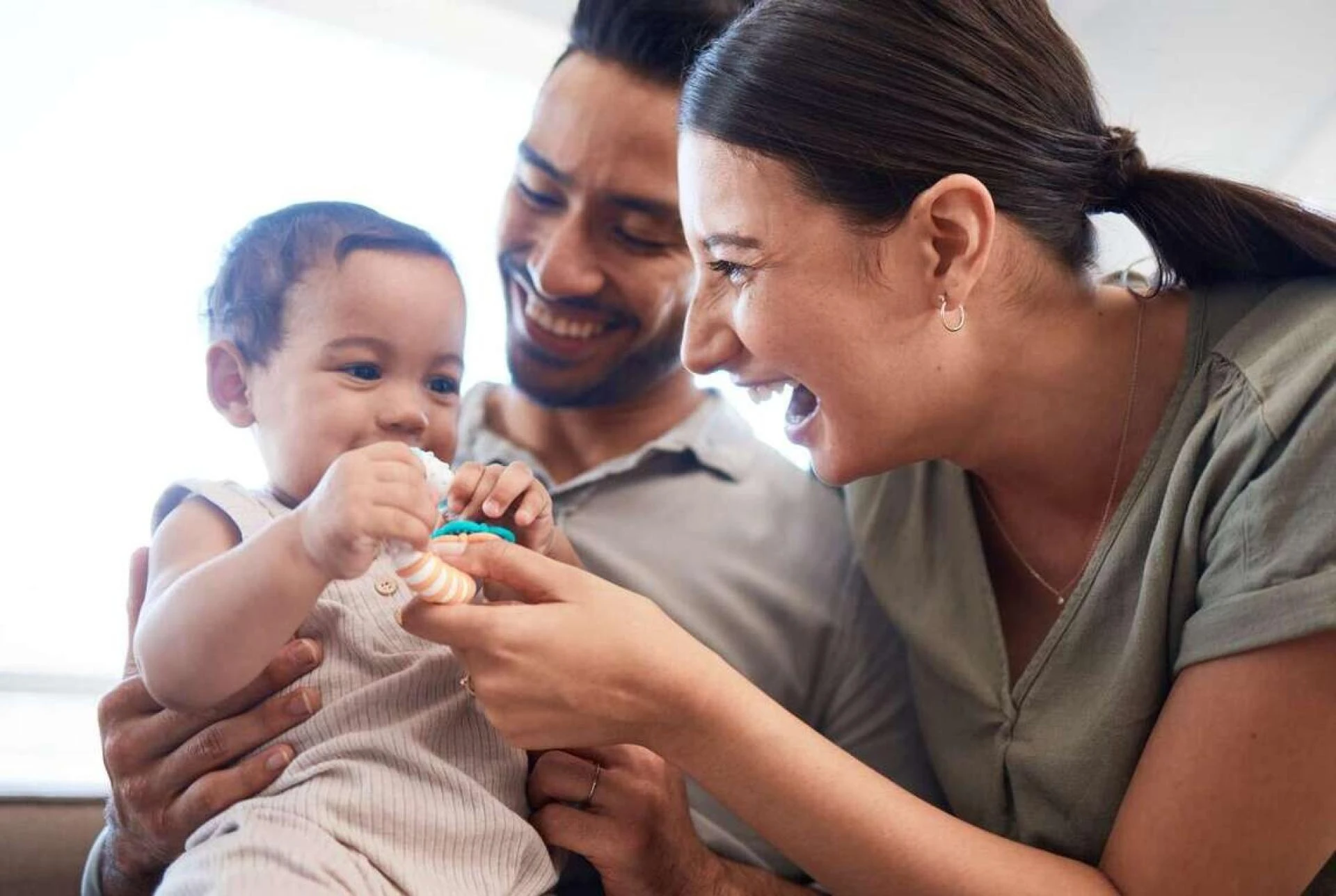
Becoming a parent is a transformative journey that involves not only physical preparation but also emotional, mental, and personal growth. Parenthood is one of life’s most rewarding experiences, but it also comes with its share of challenges. Ensuring you are personally ready to take on this responsibility is just as important as preparing your home, finances, and family. Personal growth plays a pivotal role in this process, helping you navigate the complexities of parenthood with resilience, patience, and self-awareness.
In this blog, we will explore the importance of personal growth in preparing for parenthood and how it lays a strong foundation for a fulfilling parenting experience.
Why Personal Growth is Crucial Before Parenthood
Personal growth refers to the process of improving oneself through conscious choices, self-reflection, and development. This growth shapes how you approach life, handle challenges, and interact with others. When it comes to parenthood, personal growth is not just about gaining new skills but also about evolving as an individual to meet the demands of raising a child. Here’s why personal growth is essential before stepping into this new chapter:
1. Developing Emotional Resilience
Parenthood brings with it a wide array of emotions—from the joy of your baby’s first smile to the frustration of sleepless nights. To manage these emotions effectively, it’s important to cultivate emotional resilience. Emotional resilience is the ability to stay grounded, calm, and positive, even in the face of stress, disappointment, or frustration.
Working on your emotional resilience through practices such as mindfulness, meditation, and self-reflection helps you respond to challenges with patience and understanding. As a parent, the ability to regulate your emotions will not only benefit your well-being but also create a nurturing environment for your child’s emotional development.
2. Enhancing Communication Skills
Good communication is a cornerstone of healthy relationships—especially in parenting. As a parent, you’ll be communicating not only with your partner but also with your child, extended family, and even other parents. The ability to communicate clearly, compassionately, and effectively is essential.
Working on your communication skills prior to becoming a parent enables you to navigate disagreements, express your needs, and understand the emotions of others. Being an active listener and learning how to express your thoughts clearly can help resolve conflicts and foster a positive family dynamic. Open communication with your partner, for instance, is essential in shared responsibilities, emotional support, and parenting strategies.
3. Building Patience and Empathy
Parenthood often requires a great deal of patience. From late-night feedings to toddler tantrums, the ability to stay calm and patient will be put to the test. Developing patience as part of your personal growth helps you deal with everyday parenting challenges in a calm, compassionate way.
Empathy, the ability to understand and share the feelings of others, is equally important. As a parent, you’ll need to empathize with your child’s experiences, whether it’s dealing with the frustrations of learning to walk or the emotional challenges of growing up. Cultivating empathy also strengthens your relationships with others, which will be invaluable when forming a solid support network as a parent.
4. Setting Realistic Expectations and Goals
Parenthood can be overwhelming, and it’s easy to fall into the trap of trying to be the "perfect" parent. However, personal growth teaches you to set realistic expectations and understand that perfection is not the goal. Instead, success in parenting comes from trying your best, being adaptable, and learning from your experiences.
Before becoming a parent, take the time to reflect on what you want to achieve as a parent, what values are important to you, and how you can balance your personal aspirations with the needs of your child. Setting realistic expectations will reduce feelings of inadequacy and stress as you face the many challenges of raising a child.
5. Strengthening Self-Awareness
Parenthood requires a high degree of self-awareness. Understanding your own values, triggers, strengths, and weaknesses will help you approach parenting with clarity and authenticity. Self-awareness also enables you to identify areas where you may need help, whether it’s seeking advice, guidance, or professional support.
By investing in personal growth before becoming a parent, you give yourself the time to reflect on your own beliefs and habits, which will shape how you parent. This self-awareness allows you to be more present with your child and be a better role model as they grow and learn.
Practical Steps to Promote Personal Growth Before Parenthood
Now that we’ve discussed why personal growth is essential for preparing for parenthood, let’s look at some practical ways to enhance your growth during this period.
1. Practice Self-Reflection
Regular self-reflection helps you gain a deeper understanding of yourself. Consider keeping a journal where you write about your thoughts, feelings, and aspirations. Journaling can help you clarify your goals, track your emotional growth, and identify any areas that need attention.
Additionally, take time to meditate or engage in mindfulness practices. These techniques can help you manage stress, increase emotional awareness, and gain perspective on your personal development.
2. Seek Relationship Counseling or Support
The relationship you have with your partner plays a significant role in your preparedness for parenthood. Consider attending relationship counseling or engaging in premarital or pre-parental workshops. These sessions can help you and your partner communicate better, resolve conflicts, and align your parenting goals.
A counselor can also guide you in managing your expectations, creating a supportive environment, and navigating the changes parenthood will bring to your relationship.
3. Focus on Physical Health
Physical health is an important aspect of personal growth and readiness for parenthood. Make sure you’re physically prepared by adopting a healthy lifestyle, including regular exercise, a balanced diet, and adequate sleep. When your body is healthy, you’ll have the energy and strength needed to care for a child.
If you’re planning to conceive, consider scheduling important health screenings, such as an Anomaly Scan in Chandigarh or other fertility-related checkups, to ensure you’re physically prepared for pregnancy.
4. Cultivate Patience Through Practice
Building patience takes practice. You can work on being more patient in everyday situations, whether it’s waiting in a long line, dealing with a difficult colleague, or managing household chores. By practicing patience in low-pressure situations, you’ll be better equipped to handle parenting challenges with a calm and composed attitude.
5. Expand Your Knowledge About Parenting
While no one can predict exactly what parenthood will be like, educating yourself about parenting strategies and child development can ease your transition into this new role. Reading books, attending seminars, or even talking to parents with experience can provide valuable insights and help you feel more prepared.
6. Seek Professional Guidance for Health Concerns
If you’re planning a pregnancy, it’s essential to address any health concerns early. Consult with a healthcare provider to ensure your reproductive health is in good condition. If you're in the process of trying to conceive, you may want to schedule fertility tests or ultrasounds, such as the NT Scan in Chandigarh, to monitor the health of your pregnancy.
Conclusion
Personal growth is not just an individual journey; it’s an essential part of preparing for parenthood. By focusing on emotional resilience, communication, patience, and self-awareness, you set yourself up for success in the challenging yet rewarding journey of parenting. Parenthood requires constant learning and growth, and the more you invest in your personal development beforehand, the better equipped you’ll be to embrace the challenges and joys that come with raising a child.
If you’re in the process of preparing for parenthood, remember that your emotional and mental readiness is just as important as your physical preparation. Take the time to grow, reflect, and equip yourself with the tools you need for this beautiful chapter of your life.