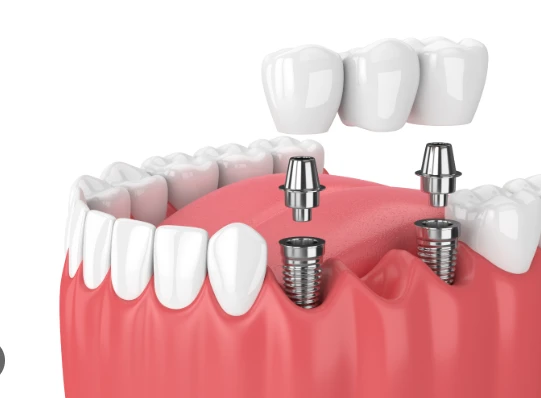
Dental implants have become one of the most reliable and natural-looking solutions for replacing missing teeth. They offer long-term stability, preserve jawbone health, and restore full chewing function. However, not every patient experiences the same success rate — especially those who smoke. Studies have shown that smoking can significantly reduce the success of dental implants due to its effects on healing, bone integration, and gum health.
Understanding Dental Implant Healing
After a dental implant is placed, the titanium post must fuse with the jawbone through a process called osseointegration. This step is crucial for long-term stability, as it allows the implant to function like a natural tooth root. For osseointegration to occur successfully, your body needs a steady blood supply, healthy tissue, and an optimal immune response.
Smoking disrupts all three of these essential factors. The nicotine and carbon monoxide in cigarette smoke restrict blood flow, depriving tissues of the oxygen and nutrients they need to heal. This interference can delay recovery and compromise the bond between the implant and bone read more : When Is It Too Late to Get Dental Implants? Understanding the Right Timing
How Smoking Impacts Implant Success
1. Reduced Blood Flow and Slower Healing
Nicotine causes blood vessels to constrict, reducing circulation to the gums and bone. Poor blood flow slows healing after surgery, increases inflammation, and heightens the risk of infection. For dental implant patients, this can mean longer recovery times and a higher chance of complications.
2. Impaired Bone Integration
Successful implants depend on the bone’s ability to fuse tightly around the implant post. Smoking decreases bone density and limits oxygen delivery, which can weaken the bone’s ability to integrate with the implant. Without a strong fusion, the implant may loosen or fail altogether.
3. Higher Risk of Peri-Implantitis
Peri-implantitis is an infection that affects the tissues surrounding a dental implant. Smokers are far more susceptible to this condition because smoking weakens the immune system and increases plaque buildup. Peri-implantitis can lead to gum recession, bone loss, and ultimately implant failure if left untreated.
4. Compromised Gum Health
Smoking irritates the soft tissues in your mouth, making your gums more prone to disease. Gum disease is one of the leading causes of implant loss, as it damages the structures that support the implant. Even after implant placement, continuous smoking can cause chronic inflammation that undermines long-term success.
5. Delayed Recovery After Surgery
Because of reduced oxygenation, smokers often experience slower post-operative healing and a greater risk of complications such as infection or dry socket. These issues not only cause discomfort but can jeopardize the implant’s stability in its early stages.
The Success Rate: Smokers vs. Non-Smokers
Clinical research consistently shows that dental implant success rates are lower among smokers. Non-smokers typically enjoy success rates above 95%, while smokers’ rates can drop to 80% or lower depending on the frequency and duration of smoking. The more you smoke, the greater the risk. Even light or occasional smokers may face delayed healing or minor bone loss over time.
That’s why dental professionals strongly encourage patients to quit smoking before and after implant surgery. The improvement in blood circulation and immune function begins within weeks of quitting, greatly increasing the chances of a successful outcome.
Steps to Improve Dental Implant Success if You Smoke
If you currently smoke and are considering implants, there are still steps you can take to improve your results:
Quit or reduce smoking before surgery: Stopping smoking at least two weeks before your procedure and for several weeks after can significantly enhance healing.
Maintain excellent oral hygiene: Brush and floss regularly to keep bacteria under control.
Attend regular dental checkups: Routine professional cleanings and follow-ups help detect early signs of inflammation or infection.
Stay hydrated and eat nutritious foods: Proper nutrition and hydration promote faster healing and stronger bone support.
Follow all post-operative care instructions: Avoid smoking, alcohol, or strenuous activity during recovery to protect the surgical site.
Even reducing smoking frequency can make a positive difference. However, quitting altogether remains the best choice for your implant and overall oral health.
Why Dental Implants Are Still Worth Considering
Despite the risks associated with smoking, dental implants remain the most effective and long-lasting solution for replacing missing teeth. Unlike dentures or bridges, implants protect the jawbone, maintain facial structure, and function like real teeth. With the right care and lifestyle adjustments, many former smokers experience successful results that last for decades.
If you’re considering treatment, the best way to understand your personal options is through a professional evaluation. A qualified provider can assess your oral health, bone density, and lifestyle habits to determine the most effective treatment plan for you. Learn more about your options for dental implants in Shoreline and discuss how to prepare for a successful implant experience — even if you’re a smoker.
Final Thoughts
Smoking doesn’t automatically disqualify you from getting dental implants, but it does increase your risk of complications and implant failure. The good news is that with the right preparation, commitment to quitting or cutting back, and close follow-up care, many smokers still achieve lasting results.
If you’re ready to take the next step toward restoring your smile, visit dental implants in Shoreline to schedule a consultation. An experienced implant specialist can guide you through the process and help ensure your treatment has the highest chance of long-term success.