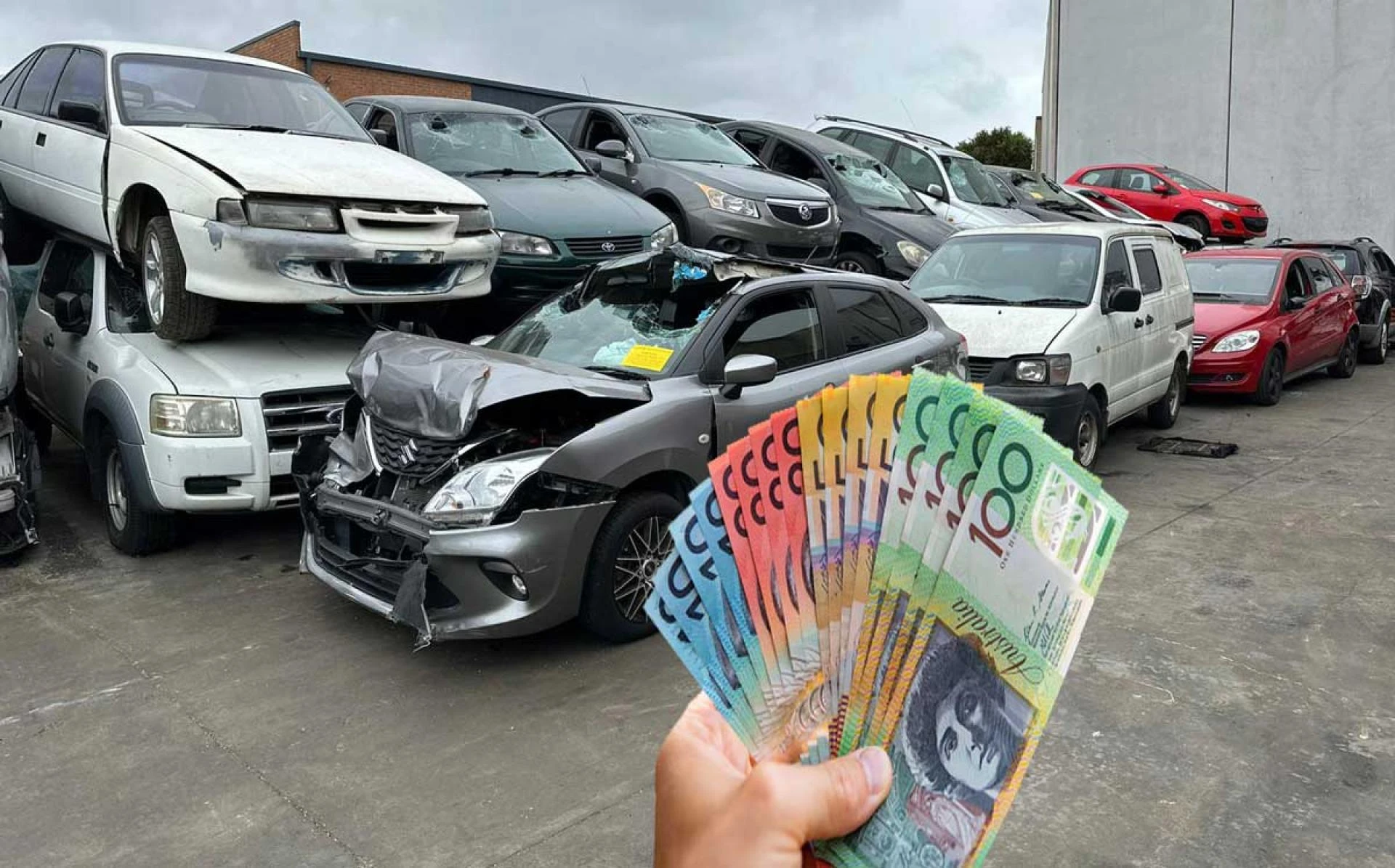
Selling cars for cash has become more common across many parts of Australia. This method has grown in recent years as people look for quicker ways to move on from old, unwanted, or damaged vehicles. While the process might seem personal and direct, it also plays a role in shaping local car markets. Every transaction adds to a wider movement that affects prices, supply, and the types of cars that remain in circulation.
This blog will take a closer look at how cash-for-car services influence local automotive markets, with a focus on practical outcomes and real-life changes observed across different suburbs and cities.
Why Do People Choose to Sell Cars for Cash?
Many people sell their cars for cash when the vehicle is no longer suitable for daily use. This can happen due to accidents, mechanical failure, or age. Sometimes, it costs more to repair a car than it does to sell it as-is. Others may sell simply because they want to clear space or upgrade.
The process usually involves calling a car removal company or scrap yard, getting an offer based on the car’s details, and arranging a pickup. The vehicle is then taken away, and payment is made at the time of collection. For many, this offers a way to move forward without dealing with long waits or unclear offers from private buyers.
Supply and Demand in the Second-Hand Market
The used car market is affected by what types of vehicles are available and how much buyers are willing to pay. When more people sell their cars for cash instead of repairing or reselling them, it can lead to fewer low-cost vehicles being listed for private sale.
This shift influences supply levels. Buyers looking for very cheap cars may find fewer options, while sellers of better-maintained vehicles could see stronger demand. Car yards and private sellers may also adjust their pricing when fewer damaged or non-running cars compete in the market.
This does not mean the second-hand market shrinks. Instead, it changes shape. Cars that used to stay in circulation longer are now being removed from the market sooner, which impacts the overall mix of vehicle types available.
Environmental and Economic Effects
Removing damaged or unwanted cars through proper channels has environmental value. Fluids from broken vehicles, such as coolant or oil, can cause damage when left to leak. Metal, plastic, and rubber parts also add to waste if they are dumped or left to rot.
By selling cars to businesses that dismantle and recycle them, owners contribute to cleaner surroundings. Recyclable materials are sorted and reused, reducing the need for raw materials and new manufacturing.
This process also supports small businesses in the automotive and recycling sectors. Workers who tow, strip, and manage these vehicles form part of a network that contributes to local jobs and small-scale trade. Metal yards, parts dealers, and transport workers are all connected to this system in some way.
Impact on Car Parts and Repair Markets
Many scrap or damaged vehicles still have working parts. Engines, gearboxes, mirrors, doors, and electronics are often removed and sold to mechanics, panel beaters, or private buyers.
When more people sell cars to cash-for-car services, it can increase the availability of used parts. This helps workshops repair other vehicles at lower cost. Mechanics who specialise in older car models often rely on second-hand parts to complete jobs.
At the same time, an increased supply of parts can influence prices. Cheaper parts can encourage car owners to hold onto their vehicles longer, knowing that replacements are within reach.
One Role in the Wider Market – Cash for Damaged Cars Sydney
In urban areas like Sydney, where car ownership is common and space is limited, the service known as cash for damaged cars Sydney plays a clear role in helping clear space and remove vehicles that no longer serve their purpose. When such cars are removed from driveways and streets, it makes way for newer models and also takes pressure off local parking spaces. This steady flow of car removal not only helps individuals, but also allows local workshops and recyclers to keep a steady pace of trade. In this way, a simple act of selling one car ties back into a much broader supply chain.
Long-Term Trends
Over the past decade, selling cars for cash has grown more popular. It has changed how long people keep older cars, especially when it costs more to fix than it would bring in through a sale.
This shift may also lead to faster updates in vehicle technology across local roads. When people remove older models sooner, they often replace them with newer, more fuel-efficient ones. While not the main cause of modernisation, it adds to the movement.
Older cars that might have stayed on the road for longer periods are now being taken off sooner. This may also affect insurance patterns, maintenance trends, and even traffic safety in the long term.
Closing Thoughts
Selling a car for cash might seem like a small decision, but it creates a ripple across the wider vehicle market. It affects how many cars are available for sale, the price of second-hand parts, and how soon older vehicles leave circulation. It also ties into local jobs and the recycling industry in ways that are not always visible from the outside.
For car owners, this method provides a direct option to deal with vehicles that are no longer useful. For local markets, it changes how the second-hand industry operates, one car at a time.