
Sleep apnea is more than just loud snoring or restless nights. It’s a serious sleep disorder that affects breathing patterns, oxygen levels, and overall health. Many people associate sleep apnea only with obesity or aging, but several hidden triggers can also increase the risk. Understanding these factors is the first step toward seeking the right sleep apnea treatment and protecting your long-term health.
1. Jaw Alignment and Dental Structure
One of the most overlooked causes of sleep apnea is the position of the jaw and teeth. A small or recessed lower jaw, crowded teeth, or a narrow palate can reduce the space in the airway. When the muscles relax during sleep, the airway can collapse more easily, leading to breathing interruptions.
Dentists often play a key role in diagnosing these structural issues and recommending oral appliance therapy as an effective sleep apnea treatment.
2. Tongue Position and Muscle Tone
The tongue is a major contributor to airway blockage during sleep. If the tongue is larger than average or lacks proper muscle tone, it can fall backward and obstruct the airway. This is especially common in people who:
- Sleep on their back
- Have certain genetic traits
- Experience muscle relaxation from alcohol or sedatives
Targeted sleep apnea treatment, such as custom oral appliances, can help reposition the tongue and keep the airway open.
3. Nasal Congestion and Allergies
Chronic nasal congestion, sinus issues, or allergies can make breathing through the nose difficult. When nasal airflow is restricted, people tend to breathe through their mouths, which increases the likelihood of airway collapse.
Treating underlying sinus or allergy issues alongside sleep apnea treatment can significantly improve sleep quality.
4. Lifestyle Habits
Certain everyday habits can quietly increase the risk of sleep apnea, including:
- Alcohol consumption before bed – relaxes throat muscles
- Smoking – causes airway inflammation
- Irregular sleep schedules – disrupt normal breathing patterns
Making simple lifestyle adjustments is often recommended as part of a comprehensive sleep apnea treatment plan.
5. Genetics and Family History
If sleep apnea runs in your family, you may have inherited traits such as:
- Narrow airways
- Large tonsils
- Recessed chin or jaw
These anatomical factors can increase your risk, even if you maintain a healthy weight. Early evaluation and sleep apnea treatment can prevent more serious complications later.
Why Early Sleep Apnea Treatment Is Essential
Untreated sleep apnea is linked to serious health concerns, including:
- High blood pressure
- Heart disease
- Diabetes
- Daytime fatigue and poor concentration
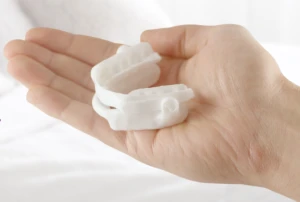
Modern sleep apnea treatment options are comfortable, effective, and tailored to each patient’s needs. Dentists often provide custom oral appliances that gently reposition the jaw to keep the airway open throughout the night.
Take the First Step Toward Better Sleep
If you or a loved one experiences loud snoring, morning headaches, or daytime fatigue, it may be time to consider a professional evaluation. Early sleep apnea treatment not only improves sleep quality but also protects your overall health.
A consultation with a dental professional can help identify hidden triggers and guide you toward a personalized treatment plan—so you can breathe easier and sleep better every night.
Schedule an appointment with Reveal Dental to learn more about effective sleep apnea treatment options.