
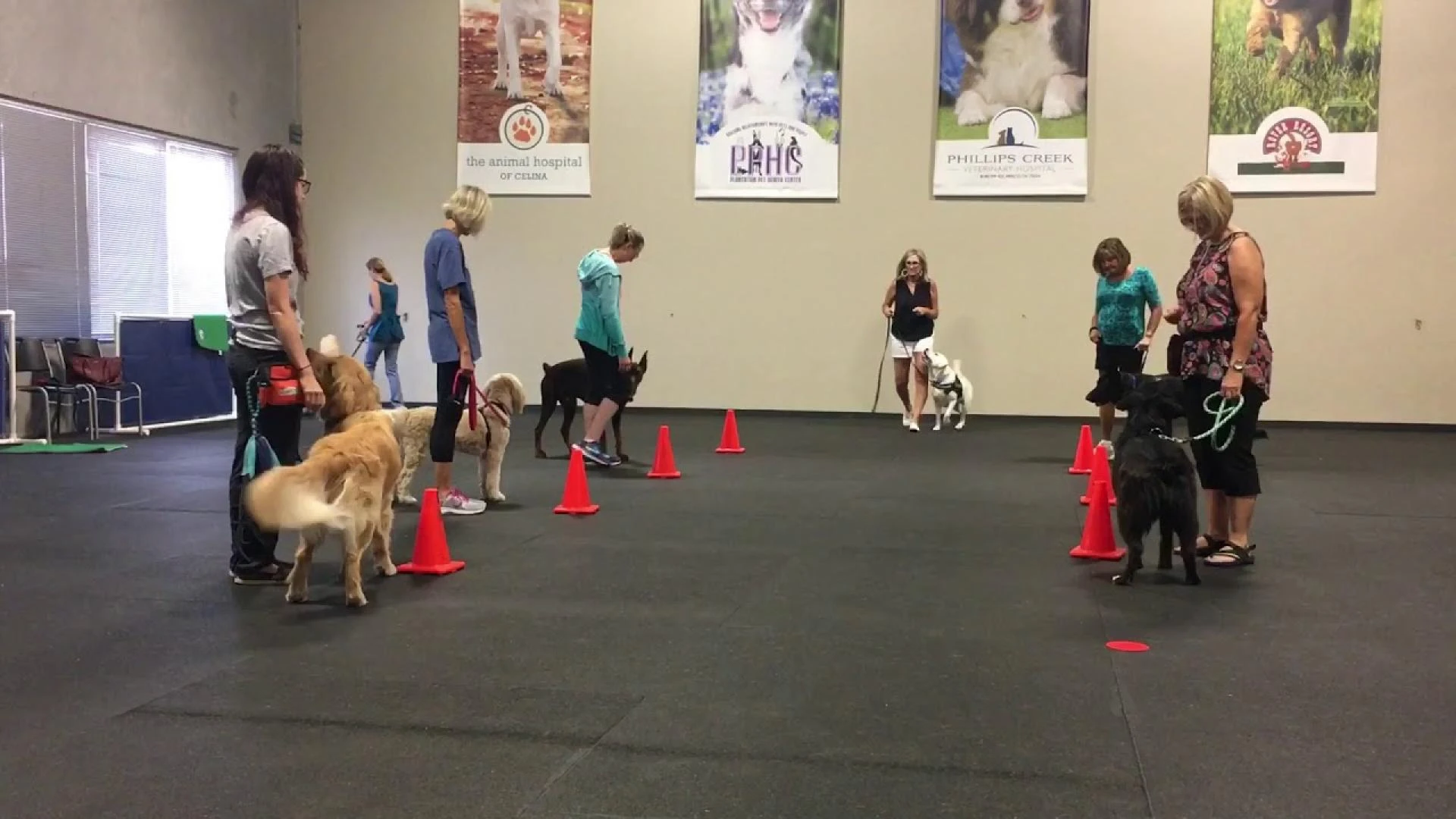
Dog training used to be about one thing: results. If the dog stopped barking, stopped pulling on the leash, or learned to sit on command, the trainer did a good job. That was enough.
It is not enough anymore.
Today, pet owners compare trainers the same way they compare restaurants or salons. They read reviews, ask in community groups, and make decisions based on how a business made someone feel, not just what it delivered. Customer experience in dog training now shapes whether a trainer gets booked, gets referrals, and keeps clients coming back. This article explains what customer experience really means in dog training, why it matters more than ever, where most trainers go wrong, and what you can do to fix it.
What Is Customer Experience in Dog Training?
Customer experience is not just customer service. It is bigger than that.
Customer experience in dog training covers every single interaction a dog owner has with a trainer or training business. That includes the moment they find your website, the first message they send, the way you run your consultation, how you explain sessions, whether you send updates, and what happens after training ends.
Think of it as a chain. Every link matters. If one link breaks, the whole experience feels weak, even if the actual training was excellent.
Here is what that chain looks like in practice:
- A dog owner searches online and finds your page
- They send an inquiry and wait for your reply
- They attend a consultation and form a first impression
- They start training sessions and watch how you communicate
- They receive (or do not receive) progress updates
- They finish training and either stay connected or disappear
Every step in that chain shapes what the client thinks of you. Most trainers only focus on the training sessions themselves. The rest of the chain gets ignored. That gap is exactly where client relationships break down.
Why Customer Experience Matters More Than Ever in Dog Training
The dog training market has grown significantly over the past decade. More trainers are available in most cities. Online platforms let owners compare options in minutes. That competition changes what clients expect.
Here is what is driving the shift.
Online reviews carry enormous weight. A dog owner who had a poor experience will leave a one-star review before they leave your parking lot. That review shows up every time someone searches for your business. Five strong training results mean nothing if three negative reviews are sitting on your profile.
Pet owners are emotionally invested. Dogs are not products. They are family members. When an owner comes to a trainer, they often feel some level of guilt, worry, or frustration. They need to feel heard. They need reassurance. A trainer who delivers great results but makes a client feel dismissed will still lose that client.
Expectations have risen across all service industries. Clients now expect fast replies, clear communication, organized scheduling, and transparent updates. These were once bonuses. Now they are baseline requirements.
When you build a strong customer experience, you build client trust. When trust is strong, clients stay longer, spend more, and bring referrals. Customer lifetime value grows. Word-of-mouth becomes your most powerful marketing channel. Referral growth costs nothing and delivers the most loyal clients.
Common Customer Experience Problems in Dog Training Businesses
Most trainers are not making obvious mistakes. The problems are usually quieter than that. They accumulate over time and cause clients to drift away without ever saying exactly why.
Poor Communication with Clients
Dog owners want to know what is happening. They want to understand why you are using a specific method, what progress their dog is making, and what to do at home between sessions. When trainers go silent between sessions, clients fill that silence with doubt. They start wondering if the training is working. They start looking at other options.
Clear communication is not complicated. It just requires consistency. A brief message after each session explaining what was covered and what to practice at home can change how a client perceives the entire program.
Inconsistent Session Organization
Clients notice when a trainer seems unprepared. If sessions start late, jump between topics without explanation, or feel unstructured, clients lose confidence. Even if the trainer is highly skilled, disorganization signals unprofessionalism. Clients begin to question whether they are getting what they paid for.
Lack of Progress Reporting
Most dog owners cannot objectively measure training progress. They need a trainer to show them. Without training session reports or progress tracking, clients often feel like they are paying for something intangible. Progress reporting builds visible value into your service.
Scheduling Problems
Rescheduled sessions, last-minute cancellations, and unclear booking systems create friction. Friction damages trust. Every scheduling problem puts a small dent in the client relationship. Enough small dents add up to a decision to leave.
Limited Follow-Up After Training
Many trainers complete a program and then go completely silent. The client feels abandoned. Follow-up support, even a simple check-in message two weeks after a course ends, dramatically increases the chance that a client books again or refers someone new.
How Customer Experience Works in Dog Training: Step by Step
Understanding the full client journey helps trainers see where their experience is strong and where it needs work.
Step 1: Discovery and Research
The client searches online. They look at your website, your reviews, your social media. Their first impression forms before they ever contact you. Your online presence is part of the experience. An outdated website or no visible reviews already creates doubt.
Step 2: First Inquiry and Response
Speed matters here. A trainer who replies within an hour signals professionalism and reliability. A trainer who takes three days signals disorganization. The first response also sets the tone. A warm, clear, informative reply builds immediate trust.
Step 3: Initial Consultation
This is the moment where clients decide whether they feel comfortable. They are not just evaluating your credentials. They are evaluating how well you listen, how clearly you explain things, and whether you understand their specific dog and situation. Personalized training plans start here. Generic responses lose clients at this stage.
Step 4: Training Sessions
Clients pay close attention during sessions. They watch how you handle their dog. They listen to your explanations. They notice whether you check in with them or ignore them. Consistent trainer professionalism and clear session structure build confidence week by week.
Step 5: Follow-Up and Ongoing Support
This step separates average trainers from exceptional ones. Follow-up messages, post-session summaries, and check-ins after the program ends show clients that you care about outcomes, not just transactions. This is where loyalty is built.
Strategies to Improve Customer Experience in Dog Training
Improving customer experience does not require a complete business overhaul. It requires consistent attention to the right things.
Set Clear Expectations from the Start
Tell clients exactly what to expect. Explain the program structure, the timeline, the communication process, and what results are realistic. Clear expectations prevent disappointment. They also make clients feel respected and informed.
Communicate Progress Regularly
After every session, send a short update. Explain what the dog worked on, what went well, and what to practice at home. This keeps clients engaged between sessions and reinforces the value of your service. It also reduces the number of anxious messages you receive.
Personalize the Training Program
No two dogs are identical. No two owners are identical. Clients notice when a trainer adapts to their specific situation. Personalized training plans, adjusted communication styles, and tailored home exercises signal that you see the client as an individual, not just a booking.
Provide Educational Support
Teach clients, not just dogs. When owners understand what you are doing and why, they trust the process more. They also implement home exercises more effectively. That leads to better results, which leads to stronger reviews and referrals.
Collect and Act on Feedback
Ask clients how the experience is going. Use simple check-ins or a short feedback request at the end of a program. When you act on that feedback and tell clients you acted on it, you build a reputation for responsiveness. That reputation drives referral growth.
The Role of Technology in Improving Dog Training Customer Experience
Many modern training centers use structured training management systems to keep scheduling, attendance, and progress notes organized. This kind of system helps maintain a consistent customer experience across every client interaction.
Technology does not replace the human connection in dog training. It supports it. When a trainer uses centralized dog training scheduling software, clients can book and confirm sessions without back-and-forth messages. Automated reminders reduce no-shows. Digital training progress reports give clients a clear picture of their dog's development.
Client records stored in one place mean no details get lost between sessions. A trainer who walks into a session knowing exactly where the dog left off, what the owner mentioned last time, and what goals are outstanding feels prepared and professional. That perception directly improves service quality and customer satisfaction.
Operational efficiency also reduces trainer stress. A less stressed trainer delivers a better experience. The systems behind the scenes directly shape what the client feels in front of them.
Additional Tips to Deliver a Great Dog Training Experience
Beyond the big strategies, a few smaller habits make a consistent difference.
- Reply to all inquiries within a few hours, even if just to acknowledge receipt
- Use the client's name and the dog's name in every message
- Provide a written summary after each training course, not just verbal feedback
- Offer a check-in session two to four weeks after a program ends
- Encourage clients to leave reviews while the experience is still fresh
- Respond to every review, both positive and negative, in a professional tone
These habits cost almost no time. But they signal to clients that you run a professional, client-focused business.
Conclusion
Dog training skill will always matter. But skill alone no longer separates thriving training businesses from struggling ones. Customer experience in dog training is now the deciding factor.
Pet owners today choose trainers based on how organized, communicative, and reliable they appear. They stay with trainers who make them feel valued. They refer trainers who consistently exceed expectations. They leave trainers who deliver results but ignore the experience around those results.
Every trainer can improve customer experience. It starts with understanding the full client journey, identifying where the experience breaks down, and building consistent habits around communication, organization, and follow-up. The trainers who treat customer experience as a core business strategy, not an optional extra, are the ones who build lasting reputations, stable revenue, and businesses that grow through referrals rather than constant cold outreach.
Your training skills brought clients through the door. Your customer experience is what keeps them there.