
A child can brush every morning and every night and still develop a cavity that nobody saw coming. That surprises most parents. Dental decay and other oral health problems in children rarely show up where you expect them, and by the time a child complains about pain, the issue has usually been building for months. Understanding where these problems hide, and why kids often don't mention them, is the first step toward catching trouble early.
Why Some Dental Problems Stay Hidden in Children
Baby teeth create a strange kind of blind spot. Parents assume that because the teeth are temporary, cavities in them matter less. That assumption causes real damage. Decay in baby teeth can spread to the gum tissue below, and it can affect the permanent teeth waiting underneath. A cavity between two baby molars is nearly impossible to see without an X-ray, since the contact point where teeth touch is where decay tends to start.
Kids also don't report pain the way adults do. A child might feel mild sensitivity for weeks before it becomes obvious. Some simply get used to a dull ache and stop mentioning it, especially if chewing on one side feels easier than the other. Crowded teeth or narrow gaps make things worse, since plaque collects in spaces a toothbrush bristle cannot reach.
Common Warning Signs Parents Overlook
A few signs tend to slip past even attentive parents. White or chalky spots near the gumline often mark the earliest stage of enamel demineralization, long before a visible hole forms. Persistent bad breath in a child, especially after brushing, can point to bacteria trapped between teeth. Grinding at night, chewing only on one side, or sudden reluctance to eat cold foods are worth a closer look too.
None of these signs guarantee a serious problem. They do mean it's time for an exam rather than a wait-and-see approach.
Why Regular Checkups Catch What Home Care Cannot
Routine visits matter because they include tools a toothbrush and a parent's eyes don't have. Dental X-rays reveal decay between teeth well before it reaches the surface. A dentist in Millwoods Edmonton can also track how a child's bite is developing, which affects whether future orthodontic work will be needed. Most pediatric dental guidelines recommend a visit every six months, though children with a higher cavity risk or ongoing orthodontic needs sometimes benefit from more frequent checkups.
Skipping visits because a child “seems fine” is one of the most common reasons small problems turn into larger, more expensive ones.
What Happens During a Pediatric Dental Visit
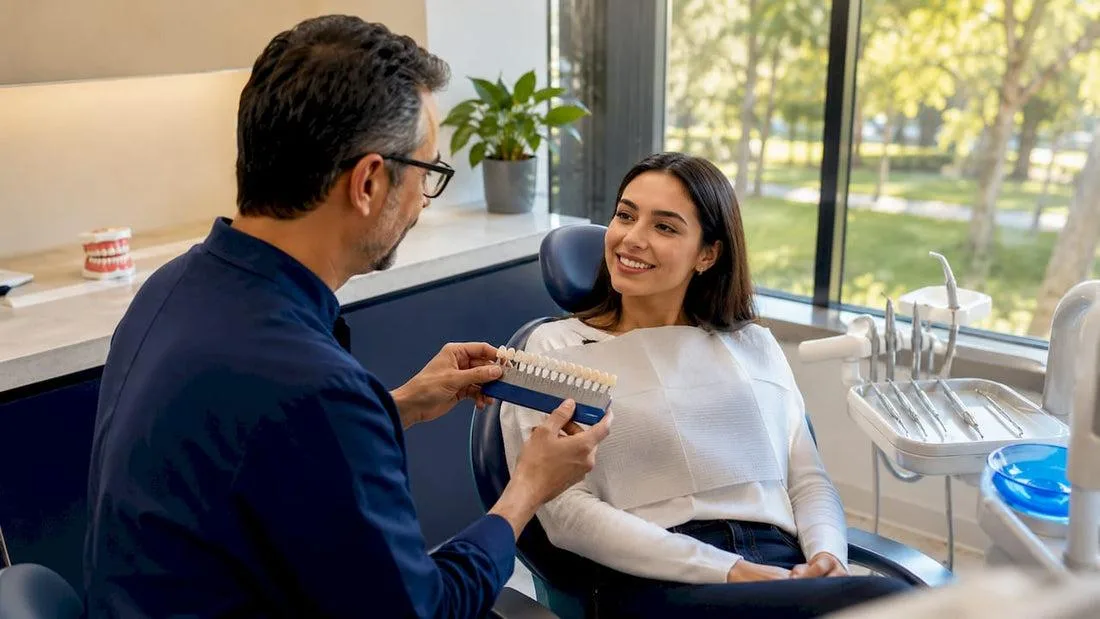
A pediatric dental exam looks different from a routine adult cleaning. The visit usually starts with a gentle look at each tooth, checking for early decay, gum irritation, or crowding. Many clinics use a smaller mirror and lighter instruments designed for a child's mouth, and staff take time to explain each step so the visit feels less intimidating. If your child has never had a dental visit, choosing a pediatric dentist in Millwoods with experience treating young patients can make a real difference in how comfortable the appointment feels, both now and for future visits.
X-rays, when needed, are taken with settings adjusted for a child's smaller frame. The dentist will usually walk parents through any findings immediately, rather than leaving decisions until later.
Simple Habits That Prevent Hidden Problems
A few habits go a long way toward keeping small issues from turning into bigger ones. Flossing daily removes plaque from between teeth, exactly where hidden decay tends to start. Limiting sugary snacks between meals, rather than cutting them out completely, reduces the time teeth spend under acid attack. Fluoride toothpaste, used in an amount appropriate for your child's age, strengthens enamel against early decay. None of these habits work overnight, but together they lower the odds of a surprise cavity at the next checkup.
Frequently Asked Questions
At what age should my child have their first dental visit?
Most dentists recommend a first visit by age one, or within six months of the first tooth appearing, whichever comes first.
Can cavities in baby teeth really affect adult teeth?
Yes. Untreated decay can reach the gum tissue and interfere with the permanent tooth developing underneath.
How can I tell if my child has a hidden cavity?
Watch for white spots near the gumline, sensitivity to cold, bad breath, or a preference for chewing on one side.
Is it normal for kids to be nervous about dental visits?
It's common, and a calm, unhurried approach from the dental team usually helps children settle in after the first visit or two.
How often should my child see the dentist?
Every six months is standard for most children, though your dentist may suggest more frequent visits based on cavity risk.
Do X-rays hurt or carry much risk for kids?
Dental X-rays for children use very low radiation and are adjusted for smaller mouths, making them a routine part of most checkups.
What should I do if my child complains of tooth pain?
Book an appointment as soon as possible rather than waiting, since pain usually signals decay that has already progressed.
Key Takeaways
- Schedule a dental checkup every six months, even if your child shows no obvious signs of a problem.
- Watch for subtle warning signs like white spots, one-sided chewing, or bad breath rather than waiting for complaints of pain.
- Daily flossing and age-appropriate fluoride use are simple habits that catch problems before they hide out of sight.
If your child is due for a checkup or you've noticed any of these warning signs, Millwoods Mainstreet Dental Office welcomes families throughout the Millwoods area. Its located at 6420 28 Ave NW, Edmonton, AB T6L 6N3. Call (780) 463-0555 to book an appointment, or reach out through the website to schedule a visit that fits your family's schedule.