Most people assume varicose veins are purely a genetic fate, something you either inherit or don't. But the reality is far more nuanced. The everyday choices you make, from how long you sit at your desk to what you put on your plate, can quietly accelerate vein damage over months and years. Understanding which habits work against your vascular health is the first step toward making smarter decisions, before symptoms become something harder to ignore.
Why Daily Habits Matter More Than You Think
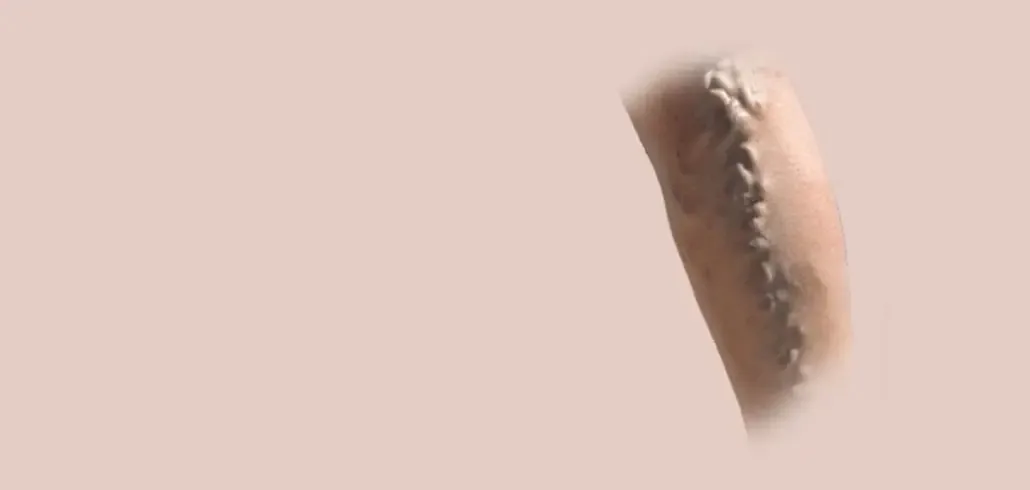
Varicose veins develop when the one-way valves inside leg veins weaken or malfunction. Instead of pushing blood upward toward the heart efficiently, these faulty valves allow blood to pool, causing veins to stretch, twist, and bulge beneath the skin.
What many people do not realise is that this process is not simply switched on by genetics alone. Lifestyle patterns that increase venous pressure, reduce circulation, or compromise vascular wall integrity can accelerate valve deterioration significantly. The compounding effect of repeating the same harmful habits daily, over the years, is what makes them so damaging. Changing even a handful of these patterns early can meaningfully slow progression and reduce discomfort.
Sitting or Standing for Too Long Without Movement
One of the most common aggravators of varicose veins is prolonged immobility, whether seated or standing.
When you sit for extended periods, particularly with legs bent at the knee or crossed, the natural flow of blood through the lower limbs becomes restricted. Gravity works against upward venous return, and without the pumping action of leg muscles contracting during movement, blood begins to pool in the lower leg veins.
Prolonged standing creates a similar problem. Those who spend hours on their feet — in professions involving cooking, retail, or manufacturing- place continuous gravitational pressure on leg veins without the relief that movement provides.
The solution is not to avoid sitting or standing entirely, but to incorporate intentional movement. Short walks every 30 to 45 minutes, calf raises while standing, and ankle rotations while seated are small changes that keep circulation active throughout the day. Consulting a vascular surgeon in Ahmedabad early, especially if you have a job that demands extended immobility, can help you receive personalised preventive guidance before symptoms worsen.
Wearing the Wrong Clothing and Footwear Every Day
- Tight clothing around the waist, hips, or thighs can restrict healthy blood flow.
- Skinny jeans, shapewear, and tight waistbands may increase pressure in leg veins over time.
- High heels reduce calf muscle activity, which is important for pushing blood upward through the legs.
Better choices for vein health:
- Wear flat, supportive footwear
- Choose shoes that allow natural ankle movement
- Prefer loose, breathable clothing around the lower body
Small daily adjustments can improve circulation and support long-term vein health.
Poor Dietary Habits That Silently Damage Your Veins
- Excess sodium causes fluid retention, increasing pressure in leg veins.
- Processed foods and packaged snacks often contain hidden sodium.
- Low fibre intake can lead to constipation and straining, which increases pressure on pelvic and leg veins.
- Poor hydration thickens the blood and makes circulation less efficient.
Dietary habits that support vein health:
- Drink enough water throughout the day
- Increase fibre-rich foods in your diet
- Reduce processed and salty foods
- Include flavonoid-rich foods like: Berries, Citrus fruits, Leafy greens
Small dietary improvements can help reduce pressure on the veins and support healthier circulation over time.
Skipping Physical Activity and Its Impact on Vein Health
- A sedentary lifestyle increases the risk of varicose veins.
- Leg muscles help push blood upward toward the heart during movement.
- Lack of activity allows blood to pool in the lower legs.
Exercises that support vein health:
- Walking
- Swimming
- Cycling
- Yoga poses with leg elevation
Activities to approach carefully:
- Heavy lifting with poor breath control
- High-impact exercises that increase abdominal pressure
If symptoms are already visible, combining exercise with varicose veins treatment in Ahmedabad can help improve circulation and recovery.
Ignoring Early Warning Signs and Delaying Medical Attention
A habit that many people do not recognise as harmful is the tendency to normalise early vein symptoms. Feelings of heaviness, mild aching after long days, slight swelling around the ankles, or occasional itching near a visible vein are often dismissed as tiredness or ageing. In reality, these are early signals that venous function is being compromised.
Delaying evaluation allows the underlying valve dysfunction to progress unchecked. What begins as a cosmetic concern can develop into chronic venous insufficiency, skin changes, or in more advanced cases, venous ulcers, all of which require considerably more intensive management.
Signs You Should Not Dismiss
- A persistent feeling of heaviness or fatigue in the legs, especially toward the end of the day
- Visible rope-like or bulging veins on the calves or thighs
- Swelling around the ankles that worsens with prolonged standing
- Itching, burning, or a dull aching sensation along a vein
- Skin discolouration or a brownish tinge developing near the ankles
Timely access to quality varicose veins treatment in Ahmedabad can prevent these early symptoms from escalating into more complex vascular conditions.
Other Overlooked Habits That Affect Vein Health
- Smoking weakens blood vessels, reduces oxygen flow, and increases inflammation.
- Smokers with varicose veins may face a higher risk of complications.
Simple habits that may help:
- Elevate your legs slightly while sleeping
- Use a pillow under the calves to improve overnight circulation
- Maintain consistent sleep and stress management routines
Chronic stress can also:
- Increase inflammation
- Affect vascular tone
- Contribute to poor circulation over time
Managing stress through light exercise, mindfulness, and proper rest supports healthier veins and circulation.
Simple Daily Adjustments That Support Vein Health
Improving vein health does not require radical changes; it requires consistent small ones. The following adjustments, made part of a daily routine, can reduce symptom progression and improve overall vascular comfort:
- Take a 5-minute walk every 45 minutes if your work involves prolonged sitting
- Elevate your legs above heart level for 15–20 minutes in the evening
- Choose flat, supportive footwear for daily wear and reserve heels for occasional use
- Increase water intake and reduce processed, high-sodium foods
- Incorporate light exercise, such as walking or swimming, at least five days a week
- Wear graduated compression stockings if recommended by a specialist
If you are already noticing symptoms, speaking with a vascular surgeon in Ahmedabad can help you assess the severity and establish a treatment plan that aligns with your current health and lifestyle.
Conclusion
Varicose veins are rarely the result of a single cause; they develop gradually through a combination of genetics and the daily habits that either protect or compromise vascular health. The encouraging truth is that awareness creates opportunity. By identifying and adjusting the routines that quietly worsen vein health, you give your body a genuine chance to maintain better circulation over the long term. For those already experiencing symptoms, the team at Dev Hospital offers expert vascular care to guide you toward the right solution with confidence and clarity.