Every year, millions of tons of food waste end up in landfills, creating greenhouse gas emissions and unnecessary resource loss. The problem isn’t limited to households—it’s far more severe in the commercial and industrial sectors. From hotels and hospitals to universities and food processing plants, the challenge of managing organic waste continues to grow.
That’s where industrial food grinder machines come into play. Designed to handle high volumes of organic waste efficiently, they’re revolutionizing organic waste collection and commercial food waste collection across industries.
Understanding Industrial Food Grinder Machines
An industrial food grinder machine is more than a piece of equipment—it’s a cornerstone of sustainable waste management. These machines break down food waste into smaller, more manageable particles that can be processed or dehydrated efficiently.
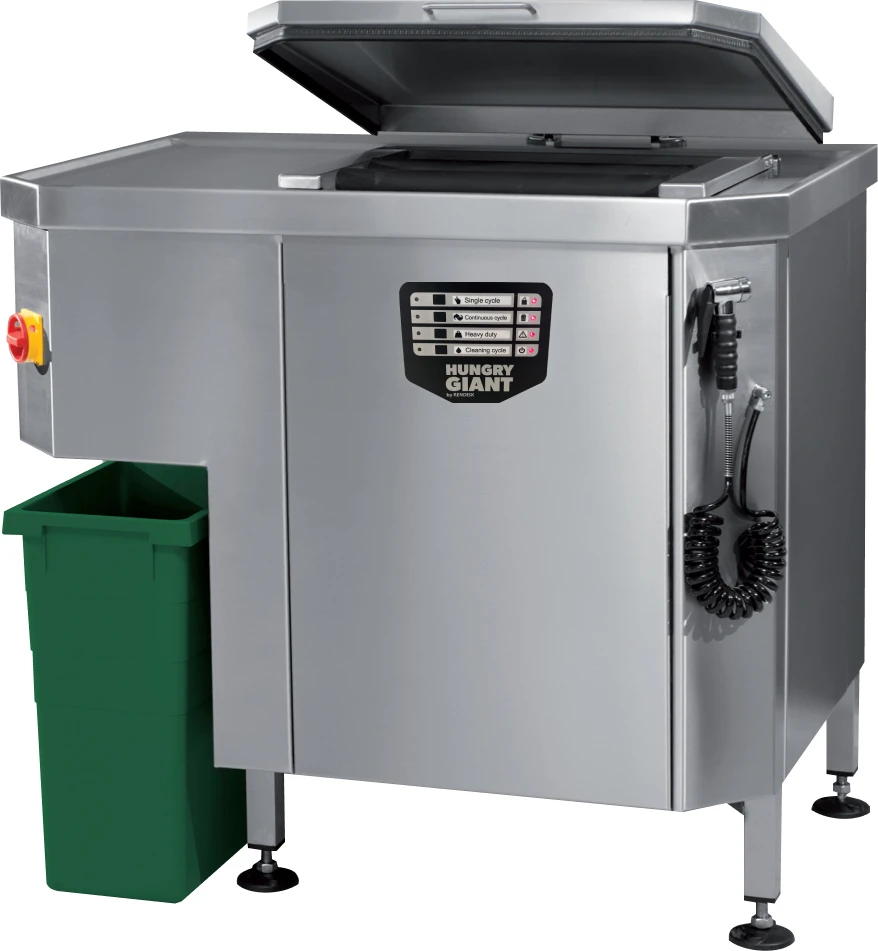
The core technology involves robust stainless-steel blades, automated feeding systems, and safety features designed to handle diverse waste types—ranging from fruit peels to meat scraps.
At Hungry Giant, these grinders are engineered to operate seamlessly within a larger waste management system, ensuring that waste is not just reduced but repurposed.
Why Food Waste Grinding Matters for Businesses
Businesses in the hospitality, food service, and processing sectors face rising disposal costs and stricter environmental regulations. An industrial food grinder machine helps reduce waste volume by up to 80%, making transport and disposal more cost-effective.
Moreover, grinding food waste minimizes odor, prevents pest infestation, and improves workplace hygiene. By streamlining organic waste collection, businesses can enhance sustainability while meeting compliance standards.
The Role of Organic Waste Collection Systems
Organic waste collection is the backbone of any sustainable waste management strategy. It involves gathering biodegradable waste separately from general trash to ensure that it can be reused, recycled, or converted into energy.
When combined with Hungry Giant’s food waste systems, this process becomes even more efficient. Ground waste is easier to transport and process, enabling faster conversion into compost or nutrient-rich soil amendments.
Commercial Food Waste Collection: An Overview
Commercial food waste collection refers to structured systems for gathering, transporting, and processing food waste from businesses. Restaurants, hotels, supermarkets, and hospitals generate large volumes of organic material that must be handled responsibly.
Through Hungry Giant’s integrated approach, these organizations can adopt waste grinding and dehydration technologies that simplify operations and support a cleaner environment.
How Hungry Giant Leads the Way in Food Waste Management
At Hungry Giant, sustainability isn’t just a buzzword—it’s a mission. The company designs advanced food waste management systems that help businesses reduce environmental impact while saving operational costs.
Their grinders, dehydrators, and conveyors form a unified ecosystem that turns organic waste into valuable resources—supporting circular economy initiatives across Australia and beyond.
Key Features of Hungry Giant’s Industrial Food Grinder Machine
Hungry Giant’s industrial food grinder machines stand out for their innovation, durability, and energy efficiency. Some key features include:
- Heavy-duty stainless-steel construction
- High-torque, low-noise motors
- Automated feeding and safety mechanisms
- Compatibility with dehydration and recycling systems
- Modular design for easy installation in commercial setups
Each model is built to handle a variety of waste materials efficiently, making it ideal for large-scale organic waste collection.
Benefits of Integrating Grinding Systems in Commercial Kitchens
Commercial kitchens face unique waste challenges—tight spaces, strict hygiene standards, and continuous operations. Installing a Hungry Giant grinder helps tackle these by:
- Reducing food waste volume and odor
- Enhancing sanitation with sealed processing
- Lowering disposal and transport costs
- Supporting sustainability certifications and local compliance
Ultimately, these systems transform food waste from a liability into an asset.
Sustainable Outcomes from Organic Waste Collection
Once food waste is ground and processed, it opens doors to sustainable reuse. Ground organic matter can be dehydrated, composted, or converted into biogas.
Hungry Giant’s solutions enable organizations to minimize landfill contributions and reinvest waste back into productive cycles—closing the sustainability loop.
Commercial Food Waste Collection Best Practices
Adopting commercial food waste collection practices involves more than installing machines. It’s about creating a waste-conscious culture:
- Train staff on waste segregation
- Schedule regular waste audits
- Use automation for monitoring waste volumes
- Partner with certified recyclers or composting facilities
Hungry Giant provides both equipment and consultation to help organizations achieve full waste optimization.
How Industrial Food Grinder Machines Support Circular Economy
An industrial food grinder machine doesn’t just manage waste—it redefines it. By transforming waste into feedstock for composting or energy production, these systems contribute to a circular economy, reducing dependency on landfills and fostering eco-efficiency.
Case Studies: Hungry Giant Success Stories
Across Australia and international markets, Hungry Giant has transformed waste systems in hotels, universities, and food production facilities.
For example, a large hospitality chain reported a 60% reduction in waste transport costs after installing Hungry Giant’s grinder-dehydrator combo. Another university campus achieved near-zero food waste through integrated organic waste collection systems.
Choosing the Right Food Waste Grinder for Your Business
Selecting the perfect grinder depends on capacity, space, and waste type. Hungry Giant offers customizable options for small commercial kitchens to large industrial operations. Their team provides on-site evaluations and system designs tailored to each client’s needs.
FAQs: Everything You Need to Know
1. What is an industrial food grinder machine used for?
It processes and reduces food waste volume for easier handling and recycling.
2. How does it support organic waste collection?
By grinding waste into manageable particles that can be composted or dehydrated.
3. Is it suitable for commercial kitchens?
Yes, Hungry Giant’s machines are designed for restaurants, hotels, and institutions.
4. Does it help with waste compliance regulations?
Absolutely. It supports environmental standards by reducing landfill waste.
5. How does it improve hygiene?
Grinding prevents odor buildup and pest attraction, ensuring cleaner environments.
Conclusion: A Cleaner, Greener Future with Hungry Giant
Sustainable food waste management begins with the right technology. Hungry Giant’s industrial food grinder machines empower businesses to reduce, recycle, and repurpose waste efficiently.
By investing in modern organic waste collection and commercial food waste collection systems, organizations can achieve both environmental responsibility and operational excellence.