Introduction: The Hidden Value in Scrap Metal
By 2025, recycled metals will account for 40% of global copper and aluminum demand, driven by industries prioritizing sustainability and cost-efficiency. From copper wire scrap in renewable energy projects to aerospace-grade aluminum ingots, this guide explores how to source, recycle, and profit from these materials—while connecting you to trusted global exporters.
1. Copper Wire Scrap: The Backbone of Green Manufacturing
What Makes It Valuable?
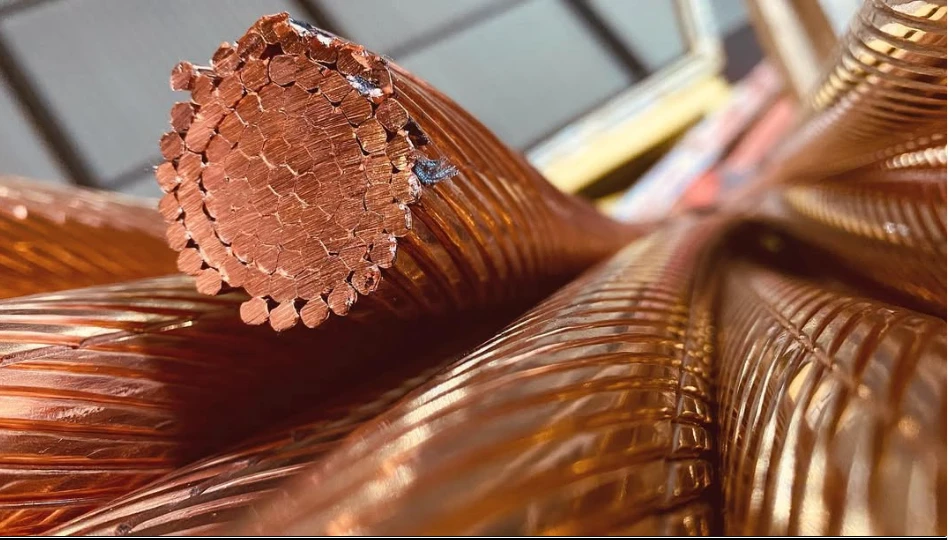
Copper wire scrap retains 95% of virgin copper’s conductivity, making it ideal for:
- Electrical wiring in EVs and solar farms
- Transformer coils and motor rewinding
- Telecommunications infrastructure
Recycling Benefits:
- Cost Savings: Recycled copper costs 20-30% less than newly mined ore.
- Carbon Reduction: Recycling 1 ton of copper saves 15 tons of CO₂ emissions.
Buying Tips:
✅ Look for bare bright copper (shiny, unalloyed) for the highest payout.
✅ Avoid sellers mixing insulated/low-grade scraps.
Case Study: A Nigerian solar startup cut project costs by 18% using Tamim International’s certified copper wire scrap.
2. Copper Cathode: The Gold Standard for Industrial Purity
Applications:
- Semiconductor manufacturing
- Power transmission lines
- Electroplating and alloy production
Why Quality Matters:
Low-grade cathodes (below 99.97% purity) cause production delays and equipment damage. Always verify:
🔍 LME Certification: Ensures compliance with global trading standards.
🔍 Ethical Sourcing: Conflict-free supply chains (e.g., mines in Chile or Zambia).
Did You Know? Tamim International’s LME-registered
cathodes are traceable via blockchain technology. you Can Buy Copper wire scrap online
3. Aluminum Ingots & Scrap: Lightweight Power for Modern Engineering
Types & Uses:
Type Common Applications Aluminum Ingots Aircraft frames, automotive parts Scrap Aluminum Window frames, beverage cans, cables
Recycling Stats:
- Recycling aluminum uses 95% less energy than primary production.
- The U.S. recycles 65% of its aluminum, but emerging markets lag at 25%.
Global Demand:
Aerospace and EV sectors will drive a 7% annual growth in aluminum scrap demand through 2030.
4. How to Identify Reliable Metal Exporters
Red Flags to Avoid:
❌ No third-party certifications (ISO 9001, R2)
❌ Unclear pricing or hidden fees
❌ Lack of supply chain transparency
Green Flags:
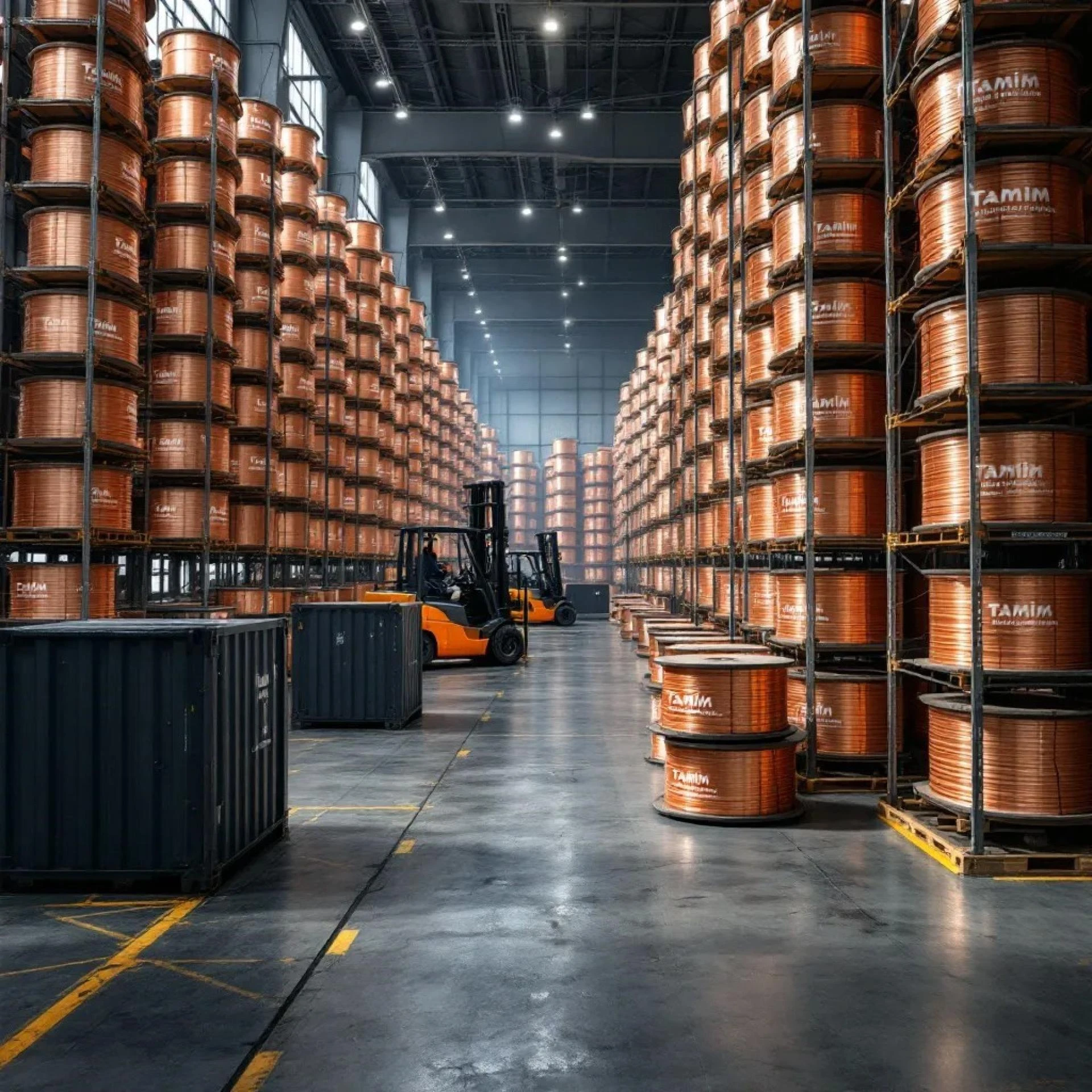
✅ Real-Time Inventory Tracking: Tamim International offers live stock updates via their portal.
✅ Bulk Discounts: Negotiate rates for orders above 10 metric tons.
✅ Doorstep Logistics: Look for Incoterms like DDP (Delivered Duty Paid).
Pro Tip: Use platforms like TheOmniBuzz to research exporters’ reputations.
5. The Future of Metal Recycling: Trends to Watch
- AI Sorting Systems: Improve scrap purity by 40% using spectral analysis.
- Carbon Credits: Recyclers earn $30–$50/ton for verified CO₂ reductions.
- Urban Mining: E-waste recycling could supply 10% of global copper by 2030.
FAQs: Your Scrap Metal Questions Answered
Q: How do I verify an exporter’s certifications?
A: Request copies of ISO, LME, or ASTM certificates and cross-check them via official databases.
Q: Can small businesses profit from scrap recycling?
A: Yes! Start with local collection drives and partner with aggregators like Tamim International for bulk sales.
Q: What’s the difference between aluminum ingots and scrap?
A: Ingots are newly cast, uniform blocks, while scrap includes post-consumer or industrial waste.
Conclusion: Building a Sustainable Supply Chain
The scrap metal industry isn’t just about waste—it’s a $700 billion opportunity to build greener, more efficient supply chains. By partnering with certified exporters and prioritizing recycled materials, businesses can reduce costs, earn carbon credits, and future-proof their operations.
Ready to Start?
- Explore TheOmniBuzz’s guide to Sustainable Business Practices for more insights.
- Connect with ethical exporters like Tamim International for certified copper and aluminum.