
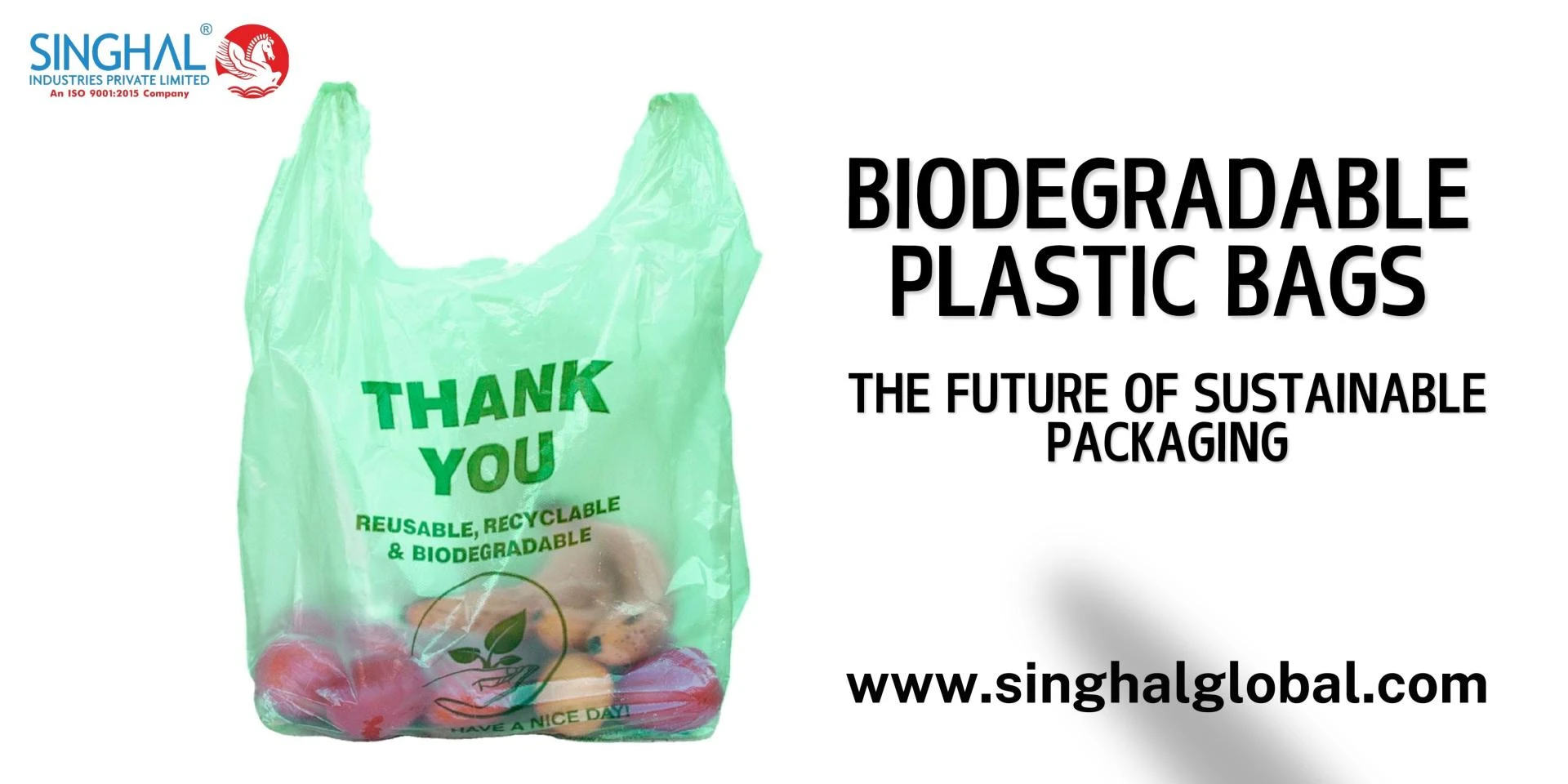
The Rise of Eco-Friendly Packaging in India
In recent years, there's been a noticeable shift in the way businesses and consumers approach packaging, especially in India. With growing awareness around environmental pollution and the negative effects of traditional plastic waste, the demand for biodegradable plastic bags has increased dramatically. These bags break down naturally over time, leaving behind minimal environmental impact. Today, several companies are emerging as trusted biodegradable plastic bags manufacturers in India, supplying solutions that blend functionality with sustainability.
What Makes Biodegradable Plastic Bags Different?
Unlike conventional plastic bags that can take hundreds of years to decompose, biodegradable plastic bags are engineered to degrade within months under the right conditions. Made using materials like cornstarch, polylactic acid (PLA), or other plant-based polymers, they begin to break down when exposed to sunlight, moisture, and microbial activity. For businesses looking to switch to greener alternatives, working with a trusted Degradable plastic bags supplier in Ahmedabad ensures they get products that meet both environmental standards and practical needs.
How Ahmedabad is Leading the Green Packaging Revolution
Ahmedabad has emerged as a key player in India’s green packaging sector. Home to innovative manufacturing units and exporters, the city is driving change through eco-conscious production processes and high-quality output. Many companies have established themselves as reputable biodegradable polybag exporters in Ahmedabad, supplying not only to the domestic market but also catering to clients across the globe. These businesses are playing a crucial role in promoting sustainable alternatives to traditional plastic across industries like retail, hospitality, agriculture, and more.
Applications and Versatility of Biodegradable Polybags
Biodegradable plastic bags aren’t just limited to supermarkets or grocery stores. Today, they’re being used in e-commerce packaging, trash liners, shopping totes, and even in medical and food industries where hygiene and disposal are important. Their wide adaptability makes them an excellent choice for companies looking to cut down their plastic footprint. By sourcing from a biodegradable plastic bags manufacturer in India, businesses gain access to customizable sizes, thickness levels, and features such as handles or printed branding.
Why Businesses Are Shifting Toward Degradable Alternatives
More than just a trend, the move toward biodegradable packaging is now a strategic decision for many companies. With increasing government regulations and customer demand for eco-friendly practices, adopting degradable plastic bags offers both reputational and environmental benefits. Suppliers from Ahmedabad are helping bridge this gap, offering bulk orders, private labeling, and compliance with global biodegradability certifications. This makes sourcing from a degradable plastic bags supplier in Ahmedabad a smart and responsible choice for modern businesses.
Cost-Effectiveness and Long-Term Value
While biodegradable bags may initially seem more expensive than regular plastic, they offer long-term savings and brand value. Businesses using eco-friendly packaging often enjoy improved customer loyalty, especially among environmentally conscious consumers. Moreover, many municipalities and states now impose penalties on companies using single-use plastics, making it economically wise to shift toward alternatives provided by Biodegradable polybag exporters in Ahmedabad. These suppliers are also innovating to bring down costs through scalable production and raw material efficiency.
Ensuring Quality and Compliance in Biodegradable Bags
Not all biodegradable bags are created equal. It’s crucial to ensure that the bags meet internationally recognized standards such as ASTM D6400 or EN 13432. The best biodegradable plastic bags manufacturers in India invest in advanced technology and testing processes to meet these benchmarks. Whether you’re a retailer looking for compostable carry bags or a food delivery chain in need of leak-proof liners, partnering with certified suppliers guarantees safety, reliability, and compliance with environmental laws.
Future Prospects of Biodegradable Packaging in India
As more states implement bans on single-use plastics, the future of biodegradable polybags looks promising. Innovations such as water-soluble packaging, plant-based polymers, and even edible bags are on the horizon. With Ahmedabad being a central hub of biodegradable packaging production, its suppliers are well-positioned to meet future demand. Whether you’re a startup or an established enterprise, connecting with a degradable plastic bags supplier in Ahmedabad could be the first step toward a greener business journey.
Conclusion
Biodegradable plastic bags are more than just an eco-friendly option—they are the need of the hour. From reducing landfill waste to aligning with sustainability goals, the benefits are clear. As India moves toward a cleaner and greener future, businesses must step up by adopting biodegradable alternatives. Partnering with a reliable Biodegradable plastic bags manufacturer in India or a biodegradable polybag exporter in Ahmedabad ensures quality, compliance, and contribution to a more sustainable planet.
Frequently Asked Questions (FAQs)
Q1. Are biodegradable plastic bags safe for food packaging?
A1. Yes, many biodegradable bags are food-grade and safe for direct contact with edibles. Always check with the supplier for food safety certifications.
Q2. What is the shelf life of biodegradable plastic bags?
A2. Typically, they have a shelf life of 6 months to 1 year, depending on storage conditions like temperature and humidity.
Q3. How do I verify if a bag is truly biodegradable?
A3. Look for certifications like ASTM D6400 or EN 13432, or consult with trusted biodegradable polybag exporters in Ahmedabad who offer certified products.
Q4. Can biodegradable plastic bags be used for industrial purposes?
A4. Absolutely. They can be customized for heavy-duty use in industries like agriculture, healthcare, and logistics, making them a practical and sustainable option.