In today’s fast-moving industries, flexibility, durability, and protection are more important than ever. From construction to electronics and automotive manufacturing, materials must adapt to demanding environments while maintaining their strength. That’s where Flexible and Semi-Flexible Polymer Products shine.
These advanced materials are not just another type of plastic — they are engineered to combine elasticity, toughness, and long-lasting performance. Among these innovations, Semi-Flexible Polyurethane Tapes stand out as one of the most versatile solutions for protection, sealing, and cushioning.
Let’s take a closer look at how these smart materials work and why they’re becoming essential in modern engineering and safety applications.
What Are Flexible and Semi-Flexible Polymer Products?
Flexible Polymer Products are made from materials that can bend or stretch without breaking. Think of them as durable yet adaptable — they absorb shock, resist wear, and recover their shape after deformation.
Semi-Flexible Polymer Products, on the other hand, offer the perfect balance between rigidity and flexibility. They’re firm enough to provide structure yet flexible enough to handle stress or vibration.
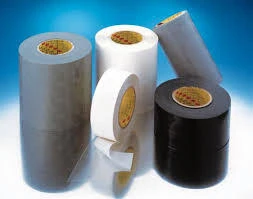
These materials are often used to make protective films, cushioning pads, sealing strips, and impact-resistant tapes — like the high-performance Semi-Flexible Polyurethane Tapes used across many industries.
Why Polyurethane Is a Game Changer
When it comes to creating Flexible and Semi-Flexible Polymer Products, polyurethane is one of the most popular materials. It’s known for its ability to combine strength, resilience, and softness all in one.
Semi-Flexible Polyurethane Tapes are a great example. They offer superior elasticity, resistance to abrasion, and long-term durability. They can stretch slightly without tearing, absorb vibration, and return to their original shape. This makes them ideal for protecting delicate components or surfaces from impact or friction.
Because polyurethane can be engineered in many ways, it’s used everywhere — from car interiors and electronic devices to construction materials and safety bumpers.
Advantages of Using Semi-Flexible Polyurethane Tapes
Semi-Flexible Polyurethane Tapes provide several practical benefits across a wide range of uses:
- Impact protection – They absorb shocks and vibrations, preventing surface damage.
- Weather resistance – They perform well in varying temperatures, moisture, and UV exposure.
- Transparency options – Available in clear or colored versions to match the application.
- Flexibility with strength – They don’t crack or harden over time.
- Long-lasting adhesion – Reliable grip on metal, glass, or plastic surfaces.
- Easy application – Quick peel-and-stick design for convenient installation.
Because of these benefits, Flexible and Semi-Flexible Polymer Products are increasingly replacing rigid materials in industries that demand durability and adaptability.
Where Are Semi-Flexible Polyurethane Tapes Used?
The versatility of Semi-Flexible Polyurethane Tapes allows them to be used across multiple industries. Let’s look at some common applications:
1. Automotive Industry
Used for protecting painted surfaces, body edges, and vehicle panels from scratches, vibration, and stone chips.
2. Electronics and Appliances
Applied as protective barriers for sensitive components and to reduce vibration or rattling between parts.
3. Construction and Architecture
Used in sealing joints, edge protection, and impact resistance on furniture or fixtures.
4. Aerospace and Transportation
Protective tapes like Semi-Flexible Polyurethane Tapes help prevent wear from airflow, debris, or repeated contact surfaces.
5. Industrial Equipment
Used in machinery and tools to reduce friction, absorb impact, and minimize vibration.
Because they offer flexibility, durability, and transparency, these tapes are trusted in settings where both performance and appearance matter.
The Science Behind Semi-Flexible Polymers
What makes Semi-Flexible Polymer Products so effective is their internal molecular structure. Unlike rigid plastics, polymers like polyurethane are designed with long, chain-like molecules that can bend or stretch under stress.
This flexibility allows the material to absorb energy — such as vibration or impact — without cracking or losing shape. Semi-flexible polymers sit right between soft rubbers and hard plastics, making them incredibly adaptable.
That’s why Semi-Flexible Polyurethane Tapes are used where you need strength, comfort, and elasticity all at once — they protect without compromising design or flexibility.
How to Apply Semi-Flexible Polyurethane Tapes
Applying Semi-Flexible Polyurethane Tapes is simple and efficient. Here’s a quick guide:
- Clean the surface – Remove dust, grease, and oil for maximum adhesion.
- Measure and cut – Trim the tape to the right size for your surface.
- Peel off the liner – Gently remove the backing layer.
- Apply evenly – Press firmly along the surface to ensure full contact.
- Smooth out air bubbles – Use a roller or cloth to seal the tape evenly.
With proper installation, these tapes last for years, even under heavy use or harsh weather conditions.
Comparing Semi-Flexible Polyurethane Tapes to Other Materials
While many materials claim flexibility, few perform like polyurethane.
- Versus PVC or vinyl: Polyurethane is tougher and more resistant to UV and weather.
- Versus rubber: It doesn’t harden or lose elasticity over time.
- Versus rigid plastics: It’s safer for impact zones since it can bend without breaking.
This makes Semi-Flexible Polyurethane Tapes the ideal choice for applications where you need both strength and adaptability.
Environmental and Design Benefits
Today’s Flexible and Semi-Flexible Polymer Products are also being designed with sustainability in mind. Many polyurethane materials can be made with eco-friendly processes and long lifespans, reducing waste over time.
Additionally, the transparency and clean appearance of these tapes make them suitable for modern product designs. Whether you’re protecting a glossy surface or building equipment that needs to look professional, Semi-Flexible Polyurethane Tapes fit in seamlessly.
The Future of Polymer Innovation
As industries continue to evolve, the demand for Flexible and Semi-Flexible Polymer Products will only increase. Manufacturers are exploring new polyurethane formulations that offer even greater strength, chemical resistance, and recyclability.
We can expect next-generation Semi-Flexible Polyurethane Tapes to become smarter — perhaps with self-healing or temperature-adaptive properties. The goal remains the same: to create safer, more efficient materials that improve performance without adding complexity.
Conclusion: A Smarter Way to Protect and Perform
In a world where durability and adaptability are key, Flexible and Semi-Flexible Polymer Products are leading the way. They provide the perfect balance of strength, flexibility, and reliability for countless applications.
From impact protection to vibration absorption, Semi-Flexible Polyurethane Tapes offer unmatched performance and ease of use. Whether in vehicles, machines, or homes, these tapes quietly play a major role in keeping products protected and long-lasting.
Choosing polyurethane-based solutions isn’t just about safety — it’s about efficiency, innovation, and quality that lasts.