A POS System is a combination of hardware and software that allows businesses to complete sales transactions. It records sales, processes payments, and updates inventory in real time. Whether in a physical store or an online platform, the POS system ensures that every sale is smooth, accurate, and tracked efficiently.
Key Components of a POS System
A standard POS system includes:
- Hardware: Barcode scanners, receipt printers, tablets, and cash drawers.
- Software: The digital platform where sales, inventory, and customer data are recorded and analyzed.
- Payment Integration: Allows businesses to accept credit cards, debit cards, and digital payments with ease.
Benefits of Using a POS System
Businesses that adopt a POS system gain a wide range of advantages, including:
- Faster Transactions: Quick checkout experiences enhance customer satisfaction.
- Inventory Management: Automatic stock updates help prevent shortages and overstocking.
- Sales Reporting: Real-time analytics help owners track performance and trends.
- Customer Relationship Management (CRM): POS systems store purchase histories to personalize future offers.
- Error Reduction: Automation minimizes manual entry mistakes and improves accuracy.
POS System in the Retail Industry
In retail, speed and accuracy are everything. A POS System simplifies checkout processes, tracks best-selling items, and generates detailed reports for smarter business decisions. It also integrates with e-commerce platforms, creating a seamless online and offline sales experience.
POS System in Restaurants and Cafés
For restaurants, the POS system plays a vital role in managing orders, table service, and kitchen communication. It allows servers to send orders directly to the kitchen, track bills, and split payments easily. Many modern restaurant POS System also include loyalty programs and online ordering options.
Cloud-Based POS Systems: The Future of Business
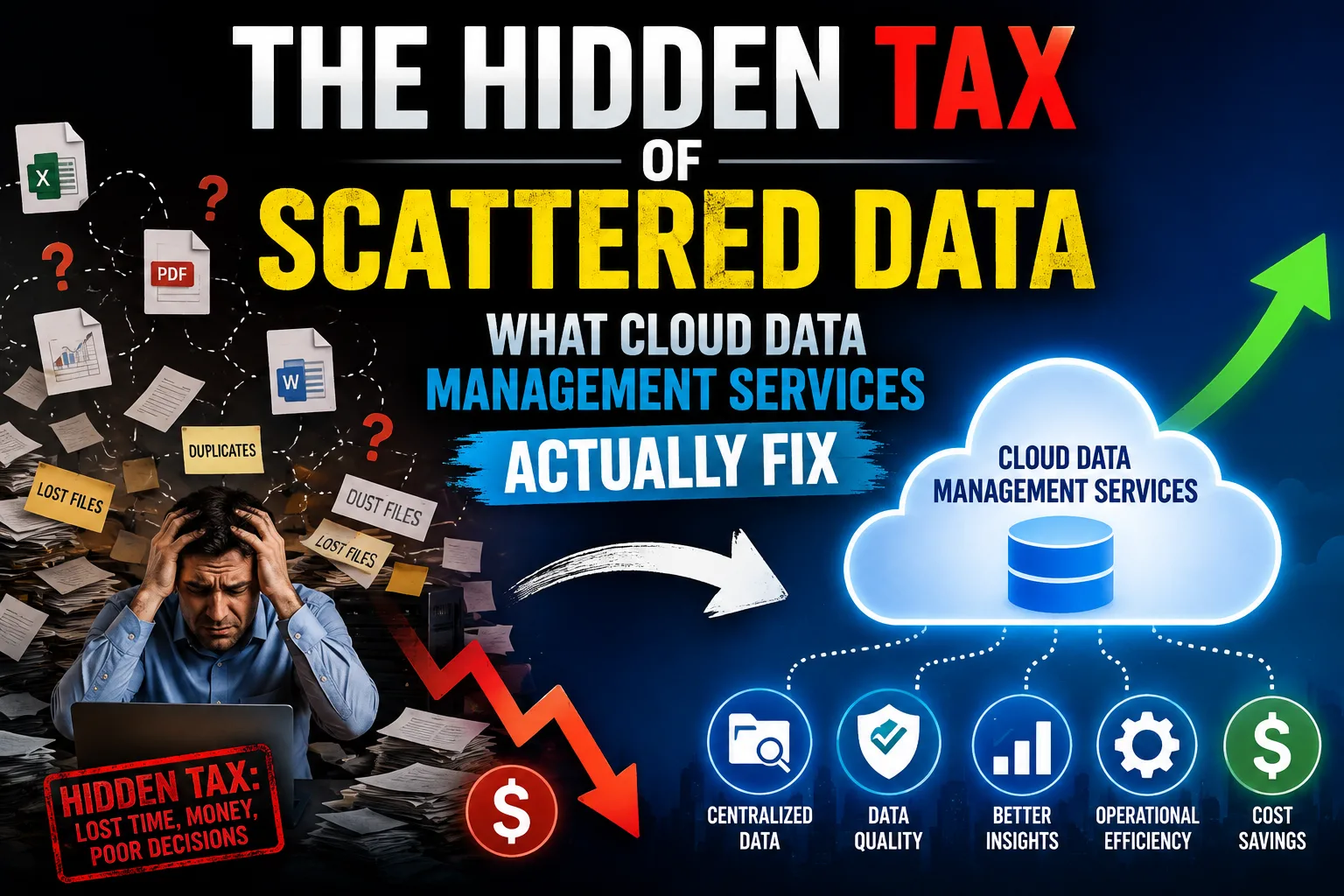
Traditional POS systems are being replaced by cloud-based solutions that offer flexibility and scalability. Cloud POS systems store data online, allowing business owners to access real-time information from any location. This makes it easier to manage multiple branches or franchises efficiently.
Security and Data Protection
With the integration of advanced technology, POS systems are equipped with encryption and fraud prevention tools. Secure payment gateways protect customer data, while regular software updates ensure system reliability and compliance with financial standards.
Choosing the Right POS System
Selecting the ideal POS system depends on your business needs. Retailers may focus on inventory tracking and barcode scanning, while restaurants may need menu customization and order management. Always look for systems that offer user-friendly interfaces, strong customer support, and scalability.
Conclusion: The Future of Smart Business Operations
A POS System is no longer just an optional tool—it’s a necessity for growth, efficiency, and success. From managing daily sales to analyzing long-term performance, it empowers businesses to operate smarter and serve customers better. Investing in a reliable POS system is an investment in the future of your business.