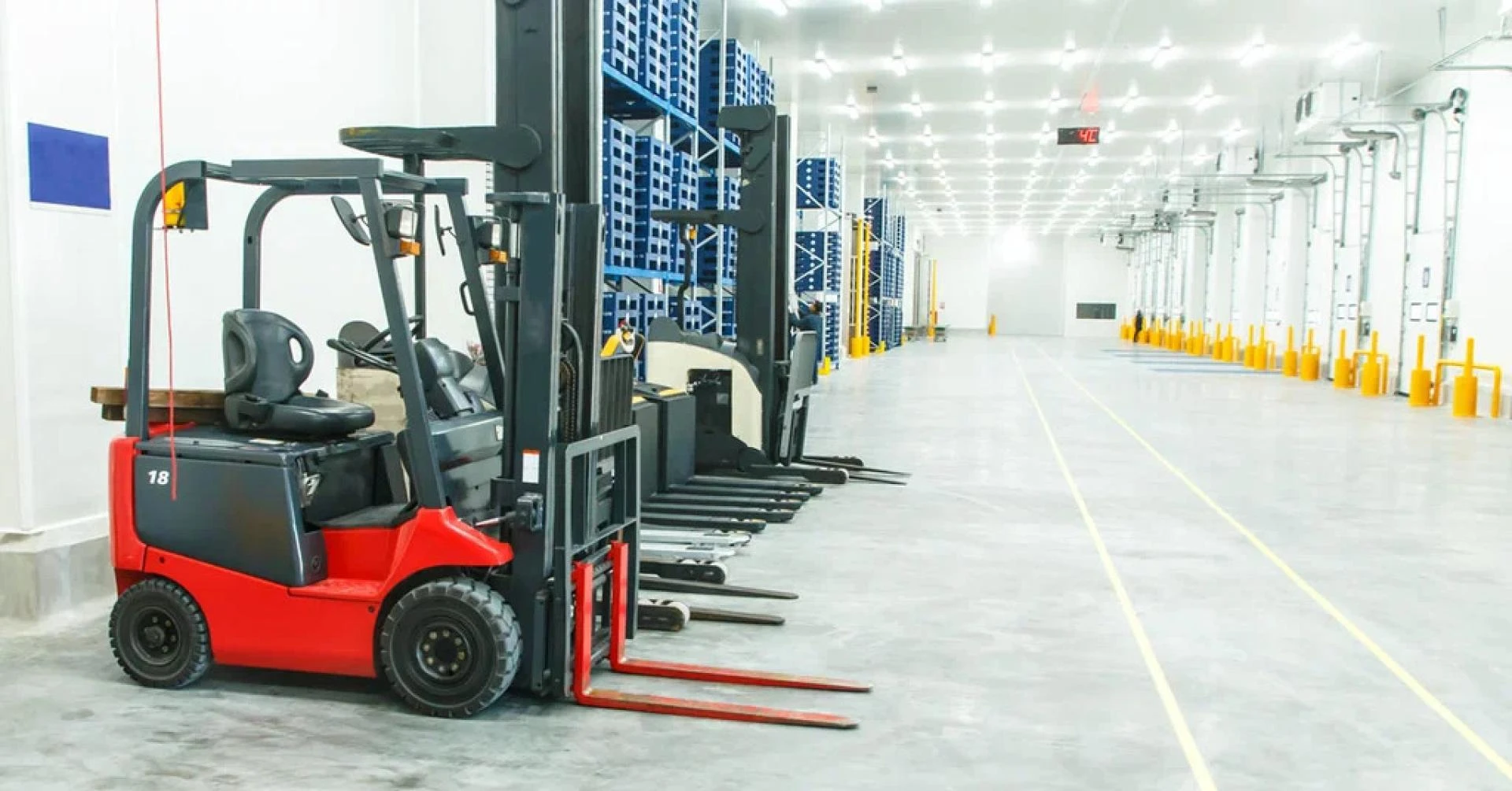
Kenya's economy is growing fast, especially in areas like manufacturing, trade, and e-commerce. As businesses expand, they need smarter ways to move goods around their warehouses, factories, and construction sites. Forklifts are key machines for this, but just like everything else, they are changing. The future of forklifts in Kenya isn't just about lifting heavy things; it's about making operations more efficient, safer, and better for the environment. Let's explore the exciting trends that are shaping how goods will be moved across the country.
Big Changes in How Kenyan Businesses Operate
Warehousing and logistics in Kenya are seeing big shifts. More people are shopping online, which means companies need to deliver goods faster than ever. This push for speed and efficiency is forcing businesses to rethink how they handle materials. Also, there's a growing awareness about protecting the environment, which affects the types of machines companies want to use. These changes mean that the traditional forklift is also evolving, becoming more advanced and specialized.
Driving Forces Behind Forklift Evolution
The main reasons forklifts are changing include:
- Rise of E-commerce: More online shopping means warehouses need to process orders quicker and deliver faster.
- Focus on Efficiency: Businesses want to do more with less, cutting down on wasted time and resources.
- Environmental Concerns: There's a push for machines that produce fewer harmful fumes.
- Worker Safety: New technologies are making forklifts safer for the people who operate them.
Key Trends Shaping Forklift Technology in Kenya
The world of material handling is moving forward, and Kenya is following these global trends. Businesses here are looking for forklifts that offer more than just basic lifting power. For leading forklift suppliers in Kenya, understanding these trends is key to meeting customer demands.
Shift Towards Electric and Sustainable Power
One of the biggest changes is the move towards electric forklifts. These machines run on batteries, meaning they produce zero exhaust fumes and are much quieter. This makes them perfect for indoor use in warehouses, especially those dealing with food, medicine, or electronics, where air quality is important.
- Lithium-ion Batteries: Newer electric forklifts often use lithium-ion batteries. These charge much faster and last longer than older lead-acid batteries, meaning less downtime for charging and more time for work.
- Hybrid Options: Some businesses might also consider hybrid forklifts that combine different power sources for specialized needs.
Smart Technology and Connectivity
Forklifts are becoming "smarter." New models come with technology that allows them to collect data and connect with other systems.
- Telematics: This technology uses sensors to track how a forklift is being used, how much fuel it consumes (or battery life), and when it needs maintenance. Managers can see this information on a computer, helping them run their fleet more efficiently and plan repairs before problems happen.
- Fleet Management Systems: These systems help businesses manage all their forklifts from one place, seeing where each machine is, who is using it, and if it's being used safely.
Automation and Safety Innovations
While fully driverless forklifts are still uncommon in most Kenyan operations, the idea of automation is growing. This means machines can do some tasks on their own or help the human operator more.
- Operator Assist Systems: These features help drivers avoid accidents, such as warning them if they are too close to an obstacle or if the load is unstable.
- Improved Ergonomics: New forklifts are also designed to be more comfortable for the driver, with better seats and controls, which helps reduce tiredness and improves safety over long shifts.
- Semi-Automation: Some forklifts can now perform simple, repetitive tasks with less human input, freeing up operators for more complex jobs.
Also Read : Guide to Solar and Diesel Hybrid Power Solutions in Kenya
Conclusion: The Role of Forklift Solutions in Kenya's Future
As Kenya's economy continues to grow and its industries become more modern, the demand for advanced forklift solutions will only increase. Businesses will need partners who can not only supply these cutting-edge machines but also provide the knowledge, training, and support to use them effectively. This means looking for suppliers who understand the latest trends, offer a range of solutions (from electric to LPG), and can provide excellent after-sales service. Investing in the right forklift technology is an investment in a more efficient, safer, and sustainable future for material handling in Kenya.
In this evolving landscape, Blackwood Hodge Kenya Ltd continues to be a key provider, bringing innovative and reliable forklift solutions to meet the changing needs of Kenyan businesses.