
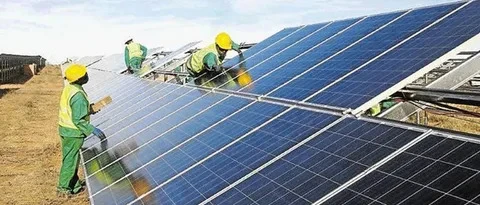
Introduction: Powering Kenya's Future – Blending the Best of Both Worlds
Kenya's economic growth and expanding population demand a robust and reliable power solution in Kenya. While the national grid is undergoing significant development, it still faces challenges with stability and reach, especially in rural and off-grid areas. This dynamic environment has propelled the adoption of independent power generation, and among the most innovative and efficient options are solar and diesel hybrid power solutions. These systems combine the consistent, on-demand power of a diesel generator with the clean, cost-effective energy generation of solar photovoltaic (PV) panels.
A well-designed solar and diesel hybrid system offers a compelling answer to the energy needs of businesses, industries, and even large residential complexes in Kenya. It represents a significant step towards energy independence, reduced operational costs, and a smaller carbon footprint. This guide will explore the multifaceted benefits of these hybrid systems, provide essential tips for their successful implementation, and highlight key considerations for those looking to invest in a smarter, more sustainable power solution in Kenya.
1. The Synergy of Solar and Diesel: Why Hybrid Works
The core principle of a hybrid system is to leverage the strengths of both solar and diesel while mitigating their individual weaknesses.
1.1. Maximizing Efficiency and Fuel Savings
Solar energy, while abundant in Kenya, is intermittent; it's available only during daylight hours and varies with weather conditions. Diesel generators, on the other hand, provide reliable power 24/7 but come with fuel costs and emissions.
- Solar as Primary: In a hybrid setup, the solar PV system acts as the primary power source during the day, generating clean electricity that directly powers loads and charges a battery bank.
- Diesel as Backup/Supplement: The diesel generator kicks in when solar output is low (e.g., at night, on cloudy days) or when demand exceeds the solar and battery capacity. This significantly reduces the generator's run time, leading to substantial savings on diesel fuel consumption – often by 20-50%, and even up to 100% with sufficient battery storage.
- Optimal Load: The hybrid controller ensures the diesel generator runs at its most efficient load point when it is active, avoiding inefficient "wet stacking" (unburnt fuel accumulation) which often occurs in generators running at low loads.
1.2. Enhanced Reliability and Uptime
Combining sources inherently boosts system resilience.
- Continuous Power Supply: The battery storage acts as a buffer, smoothing out solar fluctuations and providing power during the night or short grid outages. When solar and battery power are insufficient, the diesel generator seamlessly takes over, ensuring an uninterrupted power solution in Kenya.
- Energy Security: For remote locations or areas with an unreliable grid, a hybrid system provides critical energy independence, ensuring operations are not halted by external factors.
2. The Benefits: More Than Just Reduced Fuel Bills
Investing in solar and diesel hybrid systems offers a multitude of advantages for businesses and individuals in Kenya.
2.1. Significant Cost Reduction
Beyond direct fuel savings, there are other financial incentives.
- Lower Operational Expenditure (OPEX): Reduced diesel consumption means lower fuel procurement and transport costs.
- Extended Generator Lifespan: Less run time for the diesel generator translates to fewer hours on the engine, extending its lifespan and reducing maintenance frequency and associated spare parts costs.
- Potential for Incentives: While policies can change, governments often offer incentives or rebates for adopting renewable energy solutions, further improving ROI.
2.2. Environmental Sustainability
For organizations committed to green initiatives, hybrid systems are a clear choice.
- Reduced Carbon Footprint: Replacing diesel consumption with solar energy significantly lowers greenhouse gas emissions, contributing to cleaner air and compliance with environmental regulations.
- Quieter Operation: With the diesel generator running less frequently, noise pollution is reduced, which is beneficial for both nearby communities and on-site personnel.
2.3. Scalability and Flexibility
Hybrid systems can adapt to evolving energy needs.
- Modular Design: Solar PV arrays can be expanded over time as energy demands increase or budgets allow. Battery storage can also be scaled up.
- Integration with Existing Systems: Hybrid solutions can often be integrated with existing diesel generators, allowing for a phased transition and protecting previous investments.
3. Key Considerations and Tips for Implementation
A successful solar and diesel hybrid power solution in Kenya requires careful planning and expert execution.
3.1. Accurate Load Assessment and System Sizing
Just like with a standalone generator, correctly sizing your hybrid system is crucial.
- Daily and Peak Loads: Understand your average daily energy consumption and identify peak load periods. This will determine the size of your solar array, battery bank, and the optimal capacity of your diesel generator.
- Seasonal Variations: Consider how your energy needs might change with seasons and how solar irradiance varies throughout the year in your specific location in Kenya.
3.2. Choosing the Right Components and Technology
The quality of each component impacts the entire system's performance and longevity.
- High-Efficiency Solar Panels: Invest in reputable brands for solar panels to maximize energy capture.
- Reliable Inverters and Charge Controllers: These are the brains of the system, managing energy flow between solar, batteries, loads, and the generator. Look for smart hybrid inverters that can seamlessly switch between sources.
- Appropriate Battery Technology: Lithium-ion batteries offer faster charging, deeper discharge cycles, and longer lifespans compared to traditional lead-acid batteries, although with a higher upfront cost. Balance performance with budget.
- Robust Diesel Generator: Ensure the generator component is from a trusted manufacturer, sized appropriately for your peak loads, and well-maintained.
3.3. Professional Design and Installation
This is not a DIY project.
- Experienced Engineers: Engage engineers with expertise in designing hybrid power systems. They can optimize component sizing, layout, and control strategies.
- Certified Installers: Ensure the installation team is certified and adheres to international and local Kenyan electrical and safety standards. Proper installation prevents inefficiencies, premature failures, and safety hazards.
- Site Assessment: A thorough site assessment is crucial, considering factors like available roof/ground space for solar panels, sunlight exposure, ventilation for the generator, and security.
3.4. Maintenance and Monitoring
Even with advanced systems, ongoing care is vital.
- Preventative Maintenance: Establish a regular maintenance schedule for both the solar components (panel cleaning, inverter checks) and the diesel generator (fuel, oil, filter changes, load testing).
- Remote Monitoring: Many modern hybrid systems come with remote monitoring capabilities. This allows you to track performance, identify potential issues, and receive alerts, enabling proactive maintenance and minimizing downtime.
Also Read: Why Fire Fighting Systems Are Crucial for Businesses in Kenya?
Conclusion: A Sustainable and Resilient Power Solution in Kenya
Solar and diesel hybrid power solutions offer a powerful answer to Kenya's energy challenges, blending the environmental benefits and cost savings of solar with the reliability and on-demand power of diesel. By carefully assessing needs, selecting high-quality components, engaging professional expertise for design and installation, and committing to regular maintenance, businesses and organizations can unlock unparalleled efficiency, resilience, and sustainability. This strategic investment not only future-proofs your operations but also contributes to a greener, more energy-independent Kenya.
At Blackwood Hodge Kenya Ltd., we specialize in delivering comprehensive and tailored power solution in Kenya, including advanced solar and diesel hybrid systems. Our team of experts provides end-to-end services, from detailed energy audits and customized system design to professional installation, commissioning, and reliable after-sales support. We are committed to empowering your operations with sustainable, cost-effective, and uninterrupted power.
Contact Blackwood Hodge Kenya Ltd. today to explore how a solar and diesel hybrid power solution can transform your energy management and drive your success.