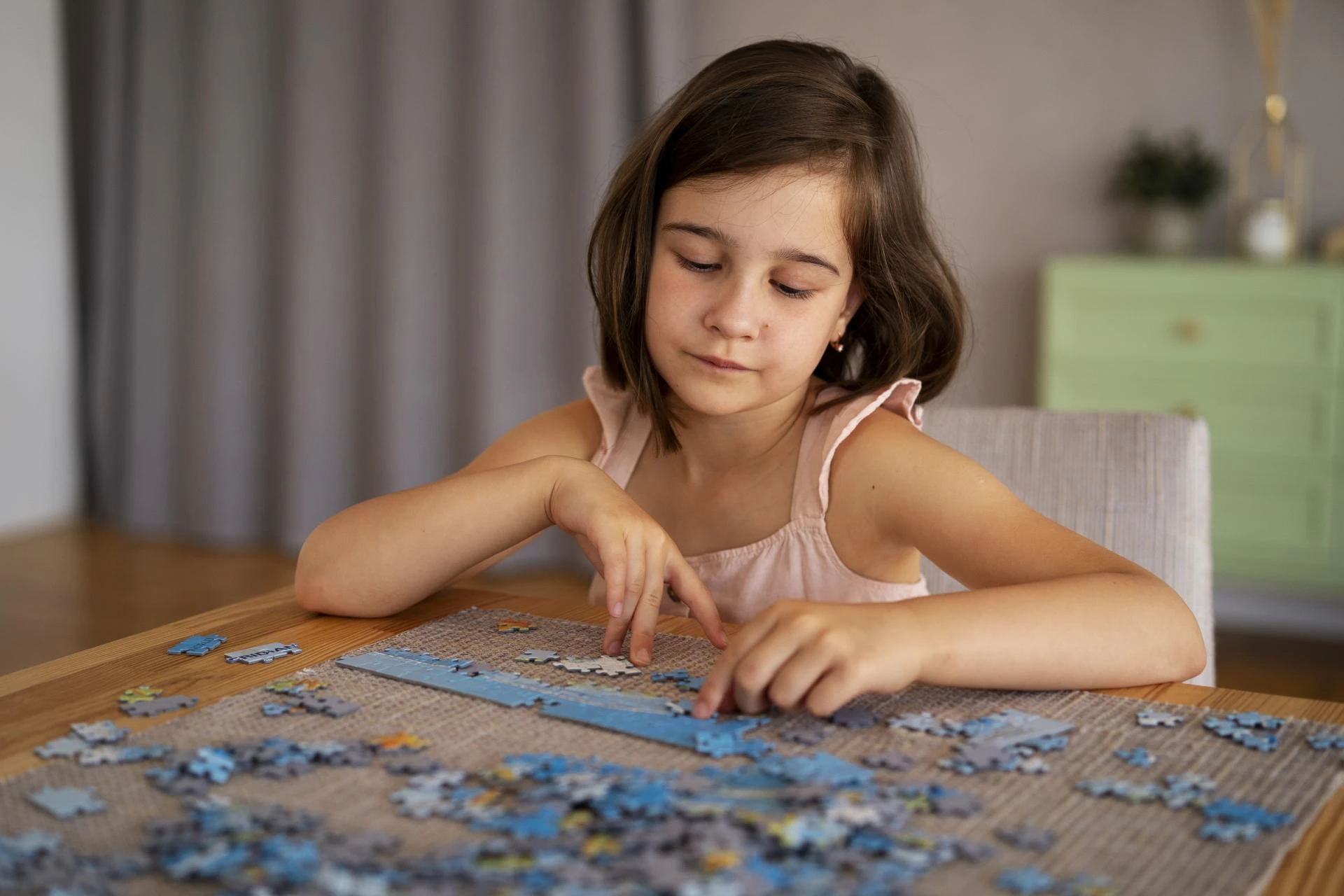
Solving a jigsaw puzzle is one of the most satisfying and relaxing hobbies — a mix of creativity, patience, and strategy. Whether you’re tackling 500 piece puzzles for fun or challenging yourself with larger ones, knowing the fastest way to solve them can make the experience even more enjoyable. Many puzzlers aim to improve their speed not for competition, but for the joy of efficiency and accomplishment.
In this guide, we’ll explore proven strategies to solve 500-piece puzzles faster, the right setup, organizational techniques, and how practicing with 300 piece puzzles, jigsaw puzzle games, and Jigsaw puzzles online can improve your real-world puzzling skills.
1. Choose the Right Puzzle for Speed
Before diving into your 500-piece puzzle, it’s essential to pick one that matches your skill level and interests.
a. Start with manageable designs
If you’re new or aiming for speed, avoid puzzles with repetitive patterns like skies or oceans. Choose puzzles with distinct color zones, clear imagery, or unique artwork. These make it easier to sort and identify pieces quickly.
b. Understand puzzle difficulty
Even among 500 piece puzzles, difficulty varies. A simple image with bold colors can be solved in 2–3 hours, while complex ones can take 5–6 hours or more. To improve your speed, begin with moderately challenging puzzles before moving to advanced designs.
c. Trustworthy puzzle brands
High-quality puzzle brands like Ravensburger, Cobble Hill, eeBoo, or Buffalo Games provide precise cuts and sturdy pieces that fit smoothly. Cheap puzzles with poor-quality cuts can slow you down because of loose fits and repetitive shapes.
2. Set Up Your Puzzle-Solving Space
Speed comes from organization — not just in sorting pieces but in how your workspace is arranged.
a. Use a flat, well-lit surface
Always work on a large, flat, and clean surface with good lighting. Dim or uneven light can make it hard to distinguish colors and patterns.
b. Consider puzzle mats or boards
A puzzle mat or puzzle board is an excellent tool if you want to move or store your puzzle midway. Mats help you roll up the unfinished puzzle safely, while boards give you a firm surface with sorting trays. These tools can save time and protect your progress.
c. Arrange sorting trays
Use small trays, bowls, or boxes to sort puzzle pieces by color, shape, or edge type. When you can easily find what you need, your solving speed increases significantly.
3. Sort Before You Start
Sorting is perhaps the most important step for speed. It may feel slow at first, but it saves hours later.
a. Find the edges first
Start by separating all edge pieces to build the border. This gives you a defined workspace and a clear sense of the puzzle’s size.
b. Sort by color or pattern
Next, group the remaining pieces by similar colors, textures, or patterns. For example, sky blue pieces in one tray, green foliage in another, and distinctive text or objects in separate piles.
c. Look at the box often
Keep the puzzle box or image nearby for quick reference. It helps you visualize where a color or object belongs, saving time from guesswork.
4. Build the Border First
Once your pieces are sorted, start by completing the frame. The border provides structure and a visual anchor for the rest of the puzzle.
a. Work on one side at a time
Build one edge fully before moving on to the next. This step-by-step approach helps keep the frame stable.
b. Secure corners early
Corner pieces define the puzzle’s shape and boundaries. Once the corners and edges are done, you’ll have a clearer idea of which pieces fit where.
c. Use color cues
Many 500 piece puzzles have slight color differences along the edges. Use those shades as hints to assemble sections faster.
5. Tackle Small Sections Strategically
After the frame is complete, focus on distinct image areas within the puzzle rather than scattering your attention.
a. Work by color zones
If your puzzle features a landscape, build the sky, mountains, and trees separately. Completing recognizable sections keeps momentum and reduces frustration.
b. Combine sections later
Once multiple small sections are done, start connecting them within the border. This modular approach prevents confusion and speeds up progress.
c. Stay patient but consistent
It’s easy to get stuck on a tough section. If that happens, move to another area — you’ll often find new pieces that later fit into the difficult parts.
6. Use Efficient Piece Recognition Techniques
Experienced puzzlers don’t just rely on luck — they develop visual strategies to find the right pieces faster.
a. Learn to recognize piece shapes
500-piece puzzles typically have 4–6 distinct piece types (two-tab, one-tab, or flat-edged). Over time, you’ll recognize which shapes go together based on their edges.
b. Pay attention to negative space
Look for the shape of the empty space where a piece will fit, not just the image printed on it. This helps when patterns are repetitive or similar.
c. Rotate pieces systematically
When searching for a fit, rotate pieces quickly rather than randomly. Keep them oriented correctly to the puzzle image so that visual alignment becomes intuitive.
7. Practice with 300-Piece Puzzles
If you want to become faster at solving 500-piece puzzles, practicing with 300 piece puzzles is a great idea.
a. Build foundational speed
A 300-piece puzzle allows you to focus on improving sorting and recognition speed without feeling overwhelmed by volume.
b. Time yourself
Try solving 300-piece puzzles within 60–90 minutes. Track your progress and aim to reduce completion time gradually.
c. Apply techniques to larger puzzles
Once you master 300-piece puzzles, the same techniques — efficient sorting, color grouping, and section building — transfer directly to larger challenges.
8. Train Your Brain with Jigsaw Puzzle Games Online
If you want to improve mental speed and visual accuracy, digital puzzles are a great complement to physical ones.
a. Explore Jigsaw puzzles online
Websites and apps offering Jigsaw puzzles online replicate the real-world experience with virtual pieces you can sort and rotate. They’re perfect for practicing anywhere.
b. Sharpen pattern recognition
Online jigsaw puzzle games enhance memory, attention, and recognition speed — all essential for physical puzzles.
c. Compete or collaborate
Many online puzzle platforms allow you to compete for time or collaborate with friends. This makes the experience fun while training your puzzle-solving instincts.
9. Learn from Top Puzzle Brands
Different puzzle brands offer unique piece shapes and challenges. Experimenting with multiple brands can enhance your skills and speed.
a. Ravensburger & Cobble Hill
Known for precision-cut pieces and durable materials, their puzzles fit perfectly, reducing time wasted on mismatched pieces.
b. eeBoo & Buffalo Games
These brands emphasize creative imagery and vibrant color palettes that are easier to sort visually, helping you complete puzzles faster.
c. Wooden and specialty puzzles
Trying wooden or 3D puzzles can boost your spatial reasoning and make 2D puzzles feel simpler in comparison.
10. Tips for Maintaining Speed and Focus
Even with the right strategy, your mindset and environment influence your solving pace.
a. Take short breaks
Long puzzle sessions can lead to fatigue and slower progress. A five-minute break every hour keeps your mind sharp.
b. Stay organized
Avoid clutter. Keep unsorted pieces in one section, finished parts in another, and empty trays clear.
c. Work in good lighting
Natural or white light helps you see subtle color changes, which is crucial when assembling detailed or gradient-heavy puzzles.
d. Stay motivated
Listen to music or podcasts to keep your mind engaged but relaxed. A positive mindset helps you solve more intuitively.
11. Common Mistakes to Avoid
Even experienced puzzlers make errors that slow them down. Avoid these pitfalls for faster results:
Not sorting enough – Jumping straight into assembling without sorting wastes time later.
Ignoring the box image – The picture is your best guide; use it often.
Crowding your workspace – Too many pieces in one spot can feel overwhelming.
Forcing pieces – If a piece doesn’t fit perfectly, it’s in the wrong place.
12. Challenge Yourself with Timed Sessions
To measure improvement, time yourself for every puzzle. Record your best times and try to beat them with different images or puzzle brands.
Example Progress Plan:
Week 1–2: 300-piece puzzles in 90 minutes
Week 3–4: 500-piece puzzles in under 3 hours
Week 5+: Explore complex puzzles or timed challenges online
Tracking progress builds motivation and enhances your focus and technique.
Conclusion: Master Speed and Satisfaction
The fastest way to solve a 500 piece puzzle isn’t about rushing — it’s about smart organization, pattern recognition, and steady practice. By using techniques like efficient sorting, working in sections, and improving with 300 piece puzzles and Jigsaw puzzles online, you can sharpen your speed and enjoy every step of the process.
Invest in quality puzzle brands, create a dedicated workspace, and use jigsaw puzzle games to refine your skills. Over time, you’ll not only solve puzzles faster but also experience greater mental focus, relaxation, and satisfaction — the true rewards of this timeless hobby.