When's the last time you actually walked your home's full perimeter — not a casual glance, but a real look? Most homeowners obsess over the interior and let the outside quietly fall apart. By the time something obvious shows up, that minor fix has ballooned into a serious bill. Rain, pests, shifting ground — the exterior absorbs all of it so your living space doesn't have to. Catching warning signs early can spare you thousands. Sometimes tens of thousands.
1. Hidden Roof and Gutter Deterioration
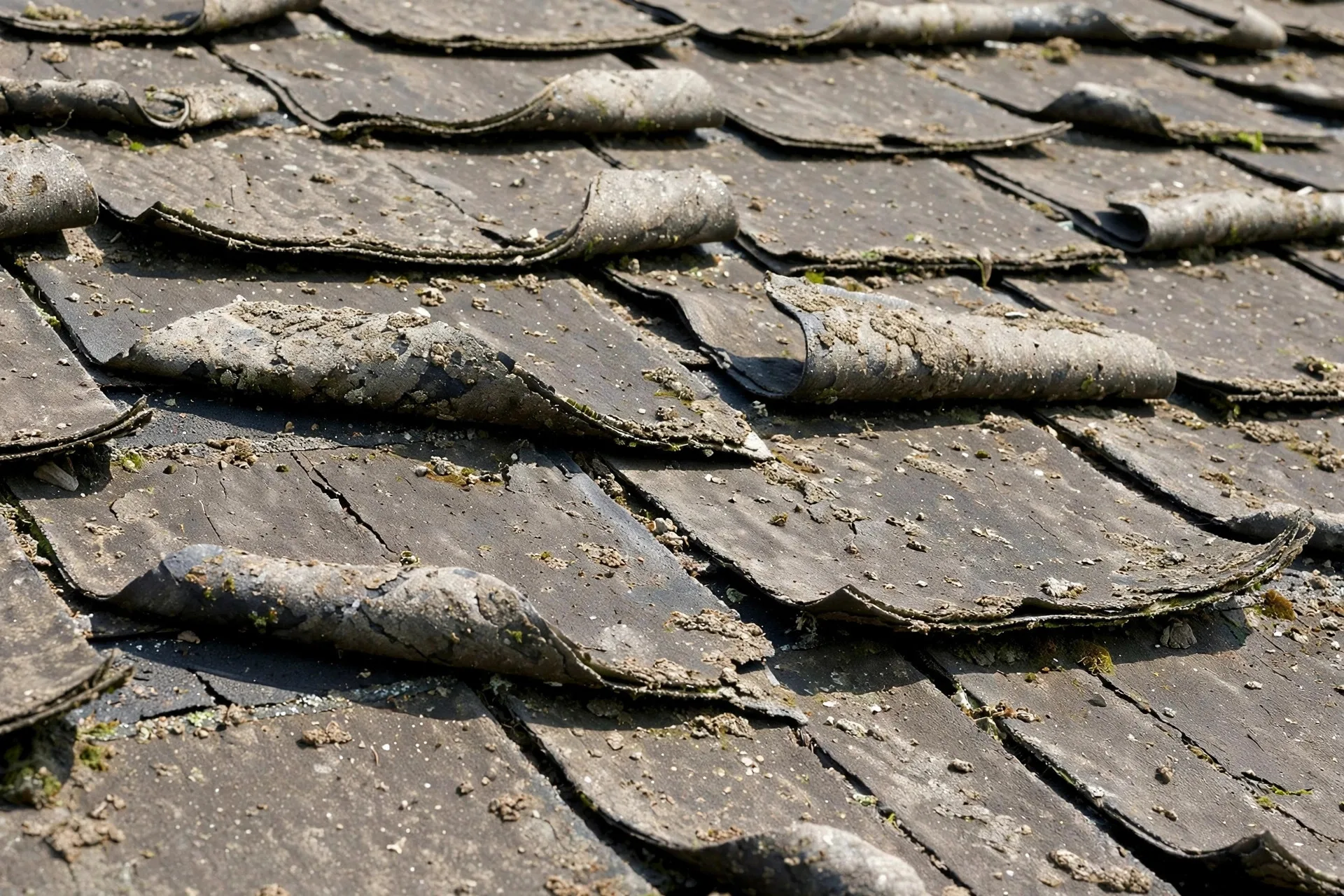
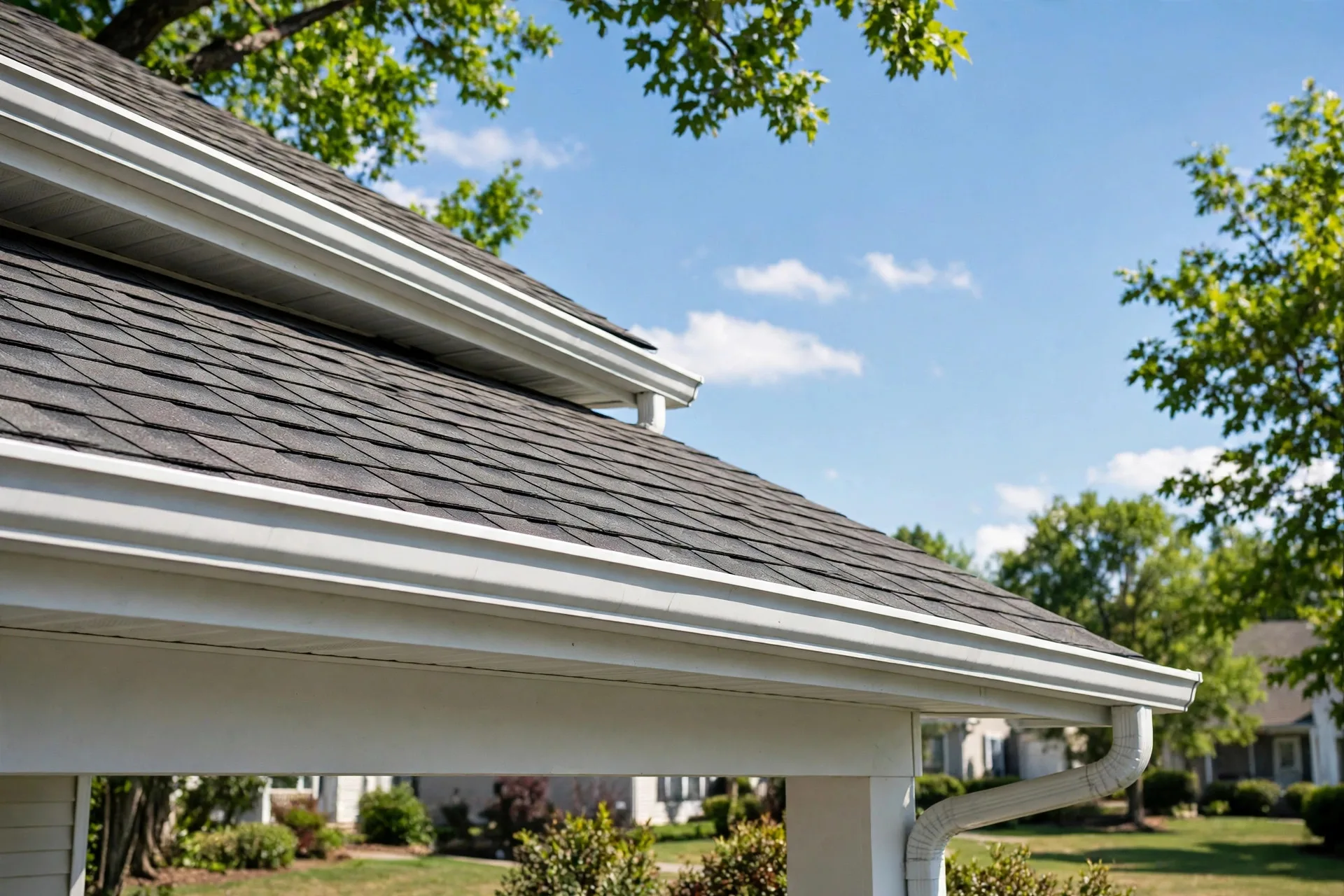
Your roof works every single day, yet most people ignore it until there's a water stain on the ceiling. Cracked shingles, missing granules, lifted edges — none of it screams for attention from the ground. Small failures, though. Each one lets water push into attic space and wall cavities. Gutters stuffed with debris stop doing their one actual job: routing water away from the structure. Pull away from the fascia, develop pinhole leaks — water drips right down onto siding and foundation.
The damage piles up quietly. Mold moves in. Wood rots. A few-hundred-dollar fix in year one becomes a several-thousand-dollar fix by year three. For anyone dealing with storm damage or nagging leak concerns, Austin roofing contractors provide professional inspections that catch compromised shingles, failing flashing, and gutter separation before any of it reaches your interior. Two inspections a year — spring and fall — is the simplest way to stay ahead.
2. Foundation Cracks and Water Seepage
Foundation trouble is slow. That's precisely what makes it dangerous. Hairline cracks look harmless — they aren't. Freeze-thaw cycles pry them wider every winter, and water exploits every new millimeter. Horizontal cracks are the worst kind; they signal lateral soil pressure pushing against the wall itself. Watch for water stains, white mineral deposits (efflorescence), or that stubborn damp smell in the basement. Not aesthetic problems. Water working through those gaps over months and years can rust rebar, breed mold, and degrade the concrete holding everything up. Foundation repairs can climb into the tens of thousands. Catching cracks early? Costs almost nothing by comparison.
3. Siding Damage and Wood Rot
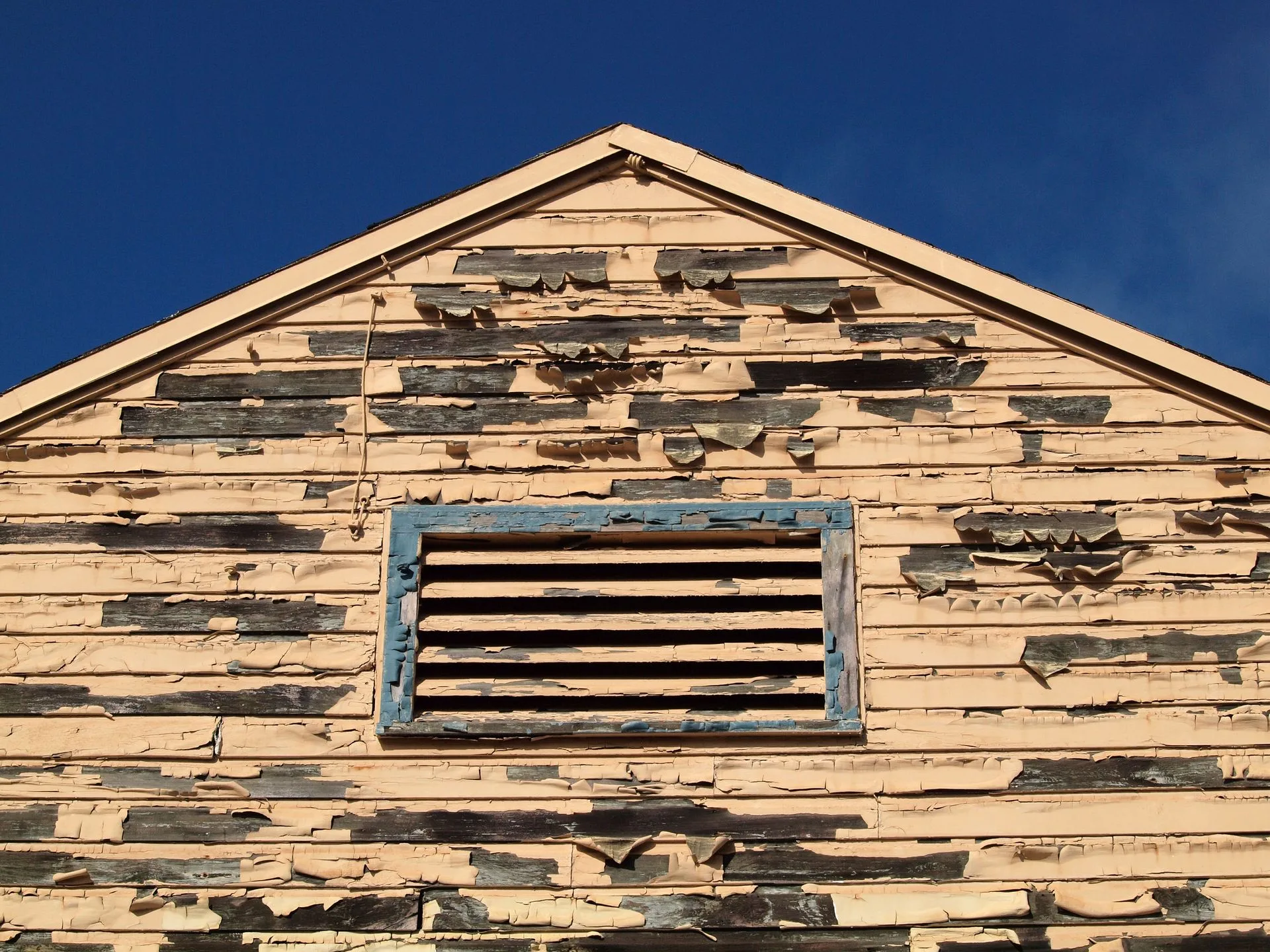
Damaged siding isn't merely ugly. It's a direct opening — moisture, insects, and temperature swings all get at the sheathing and insulation underneath. Gaps around windows, separating panels, peeling paint. All of it means water is going somewhere it shouldn't. Wood siding is especially deceptive; rot spreads behind panels that still look fine from the outside. Soft spots, discoloration, any trace of fungal growth — decay has already started by the time you spot those. And by the time it's visible from the street, the framing below may already be shot. Early professional inspection finds soft spots before full replacement becomes unavoidable.
4. Landscaping and Drainage Issues
Landscaping decisions affect your home's structure more than most people ever consider. Soil heaped against the foundation traps moisture and draws both rot and pests. Downspouts emptying right next to the house saturate the ground, which leads to foundation settling — and eventually cracks in both the foundation and the walls above it. Tree roots planted too close work their way into foundations and lateral lines over time. Slow but relentless.
Mulch pushed flush against siding holds moisture against wood and accelerates decay. Landscaping that slopes toward the house creates a chronic water problem that never fully resolves. Regrading to slope away from the foundation, repositioning downspouts — these changes eliminate years of preventable water intrusion.
5. Flashing and Chimney Deterioration
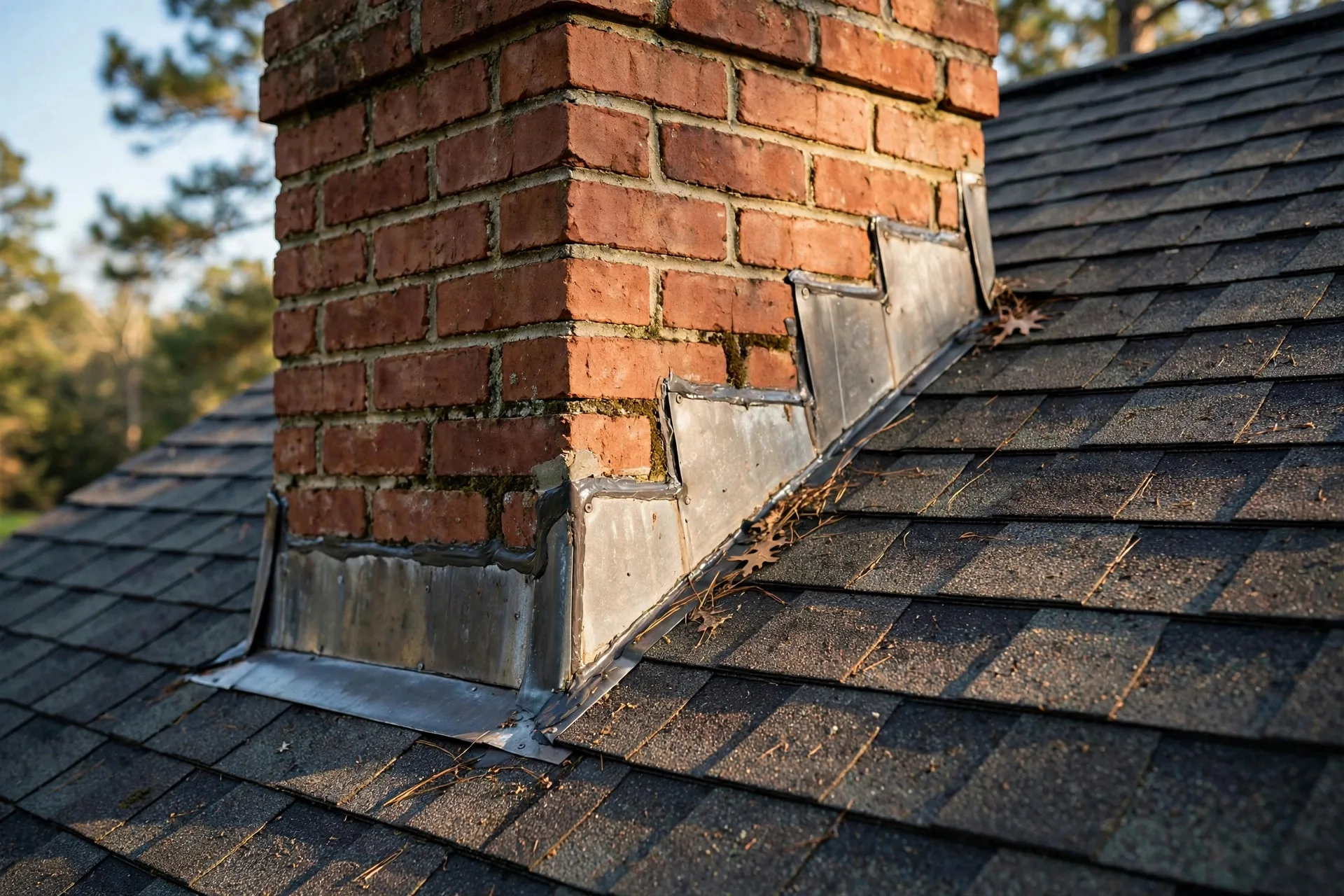
Flashing is the thin metal sealing joints where your roof meets a chimney, vent pipe, or skylight. It corrodes. It separates. When it fails, water has a direct path into your attic and walls — sometimes without a single visible interior sign for months. Chimneys crack in the mortar and brick, letting water push through during rain or freeze-thaw cycles. Rusted or gapped flashing, a missing chimney cap, open mortar joints. None of these announce themselves loudly. They just drip — slowly, invisibly — until the interior damage becomes undeniable. Inspect annually, especially after any severe weather.
Conclusion
Your exterior won't maintain itself. The problems that cause the deepest financial and structural damage are almost always the ones that hide the longest. Walk your property every season. Look for water staining, soft spots, cracks, anything pulling away from where it should be anchored. Fix small things immediately — before they become large things. A professional inspector once a year can reach and assess areas you simply can't. That inspection cost, plus the minor repairs it surfaces, is trivial next to foundation remediation, rotted framing replacement, or whole-house mold treatment. Stay vigilant. Your home will hold up far longer for it.