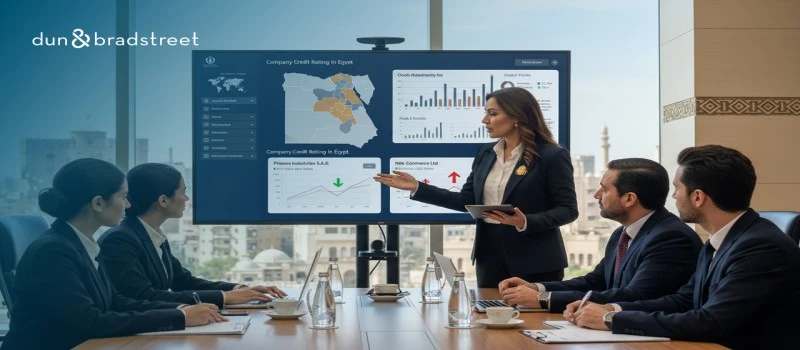
Egypt’s business environment is undergoing a period of rapid transformation. Economic reforms, shifting consumer behavior, digital adoption, and increased competition across sectors are changing how organizations make strategic decisions. In this context, marketing research companies in Egypt are no longer limited to data collection or survey execution. Their role has expanded into strategic advisory, insight synthesis, and decision support for enterprises navigating uncertainty.
Today, marketing research sits at the intersection of market intelligence, risk assessment, and growth planning. For Egyptian businesses, the ability to translate data into actionable insight has become a competitive necessity rather than a supporting function.
Egypt’s Evolving Business and Market Landscape
Egypt’s market dynamics are shaped by multiple forces. Inflationary pressures, currency movements, regulatory reforms, and changing consumption patterns all influence how companies operate and compete. At the same time, sectors such as FMCG, healthcare, manufacturing, financial services, and technology are experiencing structural shifts driven by digitalization and demographic change.
In this environment, traditional intuition-based decision-making is increasingly unreliable. Organizations need clarity on demand patterns, pricing sensitivity, brand perception, and competitive positioning. This is where marketing research companies have taken on a broader mandate. They help businesses interpret market signals, anticipate shifts, and align strategies with real-world conditions.
From Data Collection to Strategic Advisory
Historically, marketing research focused on collecting primary data through surveys, focus groups, and interviews. While these methods remain important, they are no longer sufficient on their own. Decision-makers now expect research partners to provide interpretation, context, and strategic direction.
Modern marketing research companies act as advisors rather than data vendors. They combine qualitative and quantitative inputs with secondary data, industry benchmarks, and economic indicators. The outcome is not just a report, but a structured narrative that explains what the data means for growth, risk, and long-term planning.
This shift reflects a broader expectation from leadership teams. Insights must inform board-level discussions, investment decisions, and go-to-market strategies. Research outputs that fail to connect data to business impact are quickly deprioritized.
Insight Synthesis as a Core Capability
One of the most significant changes in the role of marketing research is the emphasis on insight synthesis. Organizations today are overwhelmed with data from multiple sources. Customer feedback, sales performance, digital analytics, and market reports often exist in silos.
Insight synthesis brings these inputs together into a cohesive view. Marketing research companies in Egypt increasingly focus on identifying patterns, contradictions, and emerging signals across datasets. This approach helps businesses move beyond isolated findings and toward integrated decision-making.
For example, understanding why sales are declining in a specific segment may require combining customer sentiment data with pricing trends, competitive activity, and macroeconomic indicators. Insight synthesis enables this multi-dimensional analysis, reducing the risk of misinterpretation.
Supporting Strategic Planning and Market Entry Decisions
As competition intensifies, strategic planning has become more complex. Businesses expanding into new regions, launching products, or repositioning brands need reliable market intelligence to minimize risk.
Marketing research companies support these initiatives by assessing market size, demand elasticity, and competitive landscapes. More importantly, they help decision-makers understand the feasibility and timing of strategic moves. This advisory role is particularly critical in volatile environments where assumptions can quickly become outdated.
Research-driven planning also supports alignment across teams. When leadership, marketing, finance, and operations rely on a shared evidence base, execution becomes more coordinated and resilient.
The Link Between Research, Risk, and Business Resilience
Market research is increasingly linked to risk management. Poorly informed decisions can expose organizations to financial loss, reputational damage, or missed opportunities. In Egypt’s evolving regulatory and economic environment, this risk is amplified.
By providing objective analysis and scenario-based insights, marketing research companies help organizations anticipate downside risks as well as growth potential. This is especially relevant in sectors affected by regulatory oversight, pricing controls, or supply chain dependencies.
Research-backed decisions are easier to defend internally and externally. They support governance, accountability, and long-term resilience, particularly for enterprises operating across multiple markets or stakeholder groups.
Technology and Data Integration in Modern Research
Advances in analytics and data availability are reshaping how research is conducted. Marketing research companies increasingly integrate traditional research with digital data sources, economic indicators, and business intelligence platforms.
This integration allows for faster insight generation and more dynamic analysis. Rather than relying solely on point-in-time studies, organizations can monitor trends and adjust strategies as conditions evolve. The role of the research partner shifts toward continuous insight support rather than one-off projects.
Data integration also enhances credibility. When research findings align with broader market and financial indicators, confidence in decision-making increases across leadership teams.
Implications for Egyptian Enterprises
For businesses operating in Egypt, the evolving role of marketing research signals a broader shift in how insight is valued. Research is no longer a tactical input limited to marketing teams. It is a strategic asset that informs growth, risk management, and competitive positioning.
Enterprises that partner with marketing research companies capable of synthesis and advisory services are better positioned to respond to change. They can move faster, allocate resources more effectively, and build strategies grounded in evidence rather than instinct.
Conclusion
As Egypt’s economy continues to evolve, the demand for deeper, more actionable insight will only increase. Marketing research companies will play an essential role in helping Egyptian organizations interpret complexity, respond to shifting consumer and competitive dynamics, and make informed strategic decisions.
Their value will be defined not by the volume of data they collect, but by their ability to synthesize insight across markets, industries, and economic conditions. In this environment, organizations that align decision-making with credible market intelligence and evidence-based research will be better positioned to manage risk and pursue sustainable growth.
For enterprises evaluating their market strategies in Egypt, engaging with reliable research insights and trusted business intelligence from experienced marketing research companies in Egypt is a critical step toward more confident, future-ready decisions.