
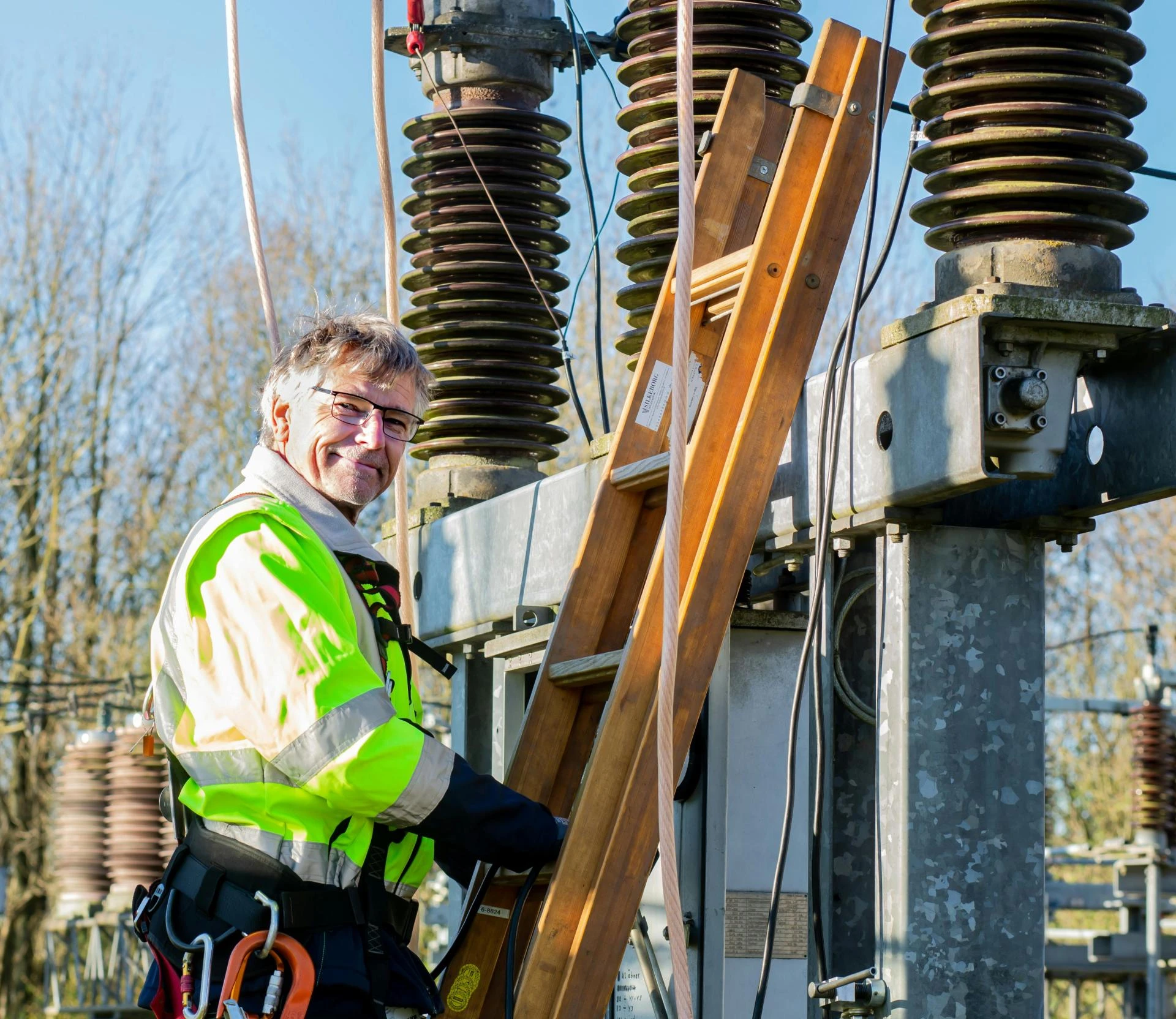
Substations have always been essential in managing and distributing electricity. However, as technology advances, substation design is evolving rapidly, driven by the demands of smart grids, renewable energy, and increased efficiency.
Traditional Substation Design
Historically, substations were designed with a focus on functionality and durability. Manual controls, mechanical relays, and rigid layouts dominated traditional substations. They were built to last decades, often without much flexibility for upgrades.
The Shift Toward Smart Substations
Today, the focus in substation design is on automation, flexibility, and real-time data. Smart substations are equipped with:
- Digital Relays: Allow faster and more accurate fault detection.
- Remote Monitoring Systems: Enable operators to control and analyze substations from centralized locations.
- Advanced Communication Networks: Connect substations with other grid components for seamless coordination.
- Integration with Renewable Energy: Smart substations can adapt to variable energy inputs from sources like wind and solar farms.
Design Considerations for Modern Substations
When designing modern substations, engineers must consider:
- Cybersecurity: Protecting the substation’s digital systems from cyberattacks.
- Environmental Impact: Minimizing the ecological footprint through compact designs and eco-friendly materials.
- Resilience and Redundancy: Ensuring the substation can withstand natural disasters and equipment failures.
- Scalability: Preparing for future upgrades without major structural changes.
Future of Substation Design
As the demand for clean energy and smart cities grows, substation design will continue to innovate. Expect to see even more modular designs, AI-driven monitoring systems, and environmentally conscious solutions shaping the substations of tomorrow.
Conclusion
The evolution of substation design reflects the larger transformation happening in the energy sector. From rigid traditional setups to smart, adaptable, and resilient hubs, substations are becoming smarter to meet the dynamic needs of the modern world.