
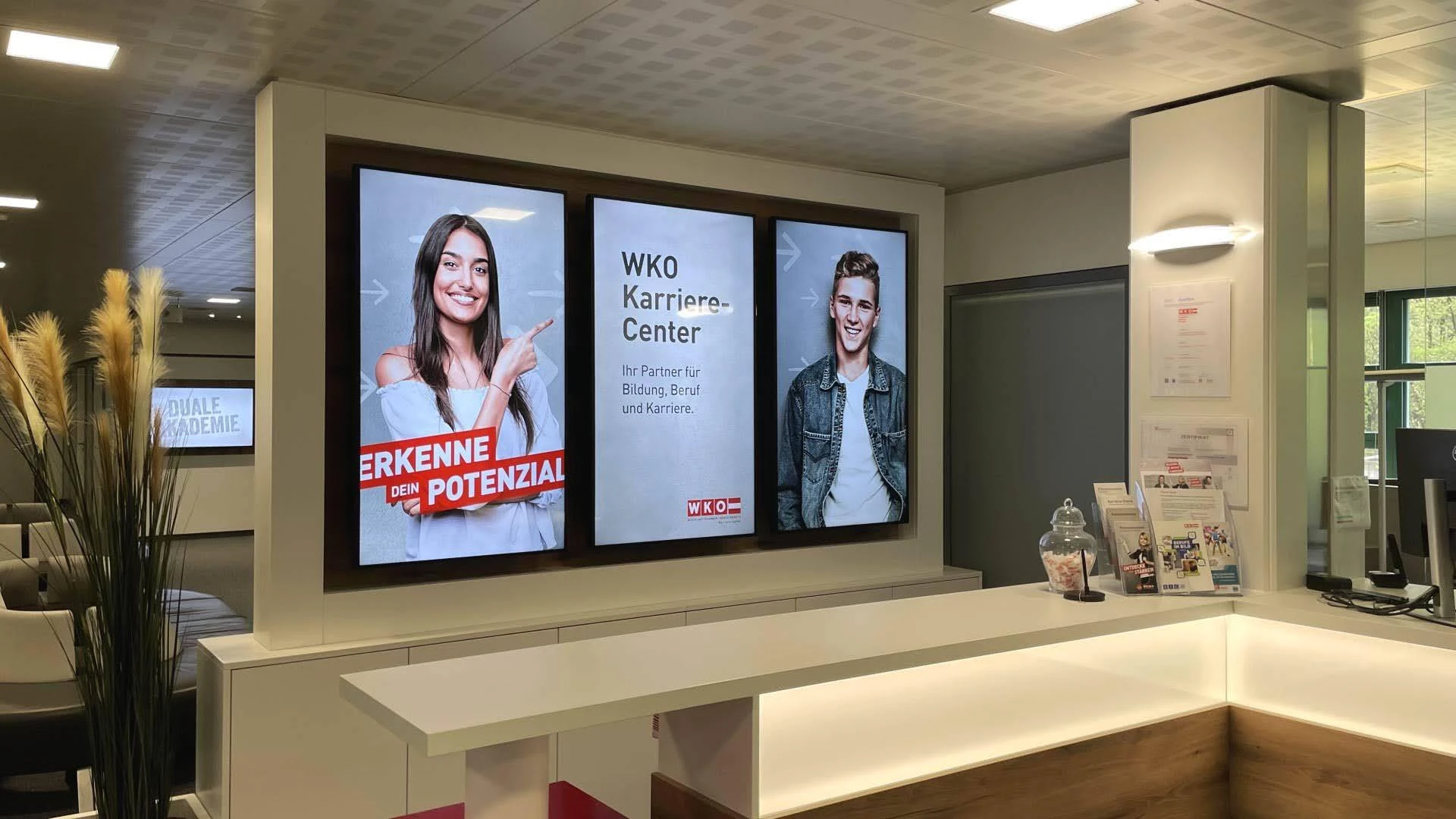
With the advancement of technology over the decade, there has been a shift in the restaurant business in terms of customer interaction. A major revolution that has taken place is the use of digital menus. There is a gradual shift from printed menus to electronic ones that increase effectiveness, and customer satisfaction and offer a more appealing dining experience. In this paper, the author aims to identify the advantages of restaurant digital menu, how they can be effectively adopted, and the prospects of this technology.
The Rise of Digital Menus
Digital Signage Reseller refer to electronic boards that offer the list of meals and drinks to the customers in the restaurant. Both of these can be in the form of a tablet, kiosk, smartphone, or even large screen. There are several reasons why the use of electronic menus has become popular in the current society. Technology is ever improving, and this has made the use of technology in most sectors possible hence making the use of electronic menus possible.
The COVID-19 pandemic also contributed to the increased use of digital menus since restaurants had to adopt measures that would minimize contact. QR code menus were most apparent, where the customers can use their smartphones to scan the code and view the menu without contact.
Benefits of Digital Menus
1. Enhanced Customer Experience
Digital menus are more appealing and engaging to the customers as compared to the traditional written menus. The use of high-quality images, animations, and detailed descriptions assists the customers to make a good choice. Some even have clips of how the meals are prepared to make the meals more attractive to the customers.
2. Increased Efficiency and Accuracy
In contrast to the paper menus, the digital ones can be updated immediately. This means that restaurants are able to alter the prices, change the stock and introduce various specials without having to go through the process of reprinting. This minimizes mistakes and at the same time increases the functionality of operations.
3. Contactless and Hygienic
This has raised concern about hygiene since menus are usually touched to be viewed; digital menus eliminate this aspect and hence reduce the spread of viruses. Customers can use their own devices to access the menu through the QR code and thus minimizing contact with the physical menu.
4. Upselling and Personalization
Several digital menus are embedded with artificial intelligence (AI) and data analytics for the purpose of making recommendations. Customers’ preferences may be used to recommend add-ons, promotions, or an upgrade to the order and generate more sales.
5. Cost-Effective and Sustainable
This is especially so for places such as restaurants that go through many menus on a daily basis and have to order new ones frequently to replace the old ones. Digital menus also have the advantage of not using paper; thus, they can save more in the long run.
Digital menus are an essential aspect of restaurants to have in the current world since they have several benefits to offer to restaurant owners as well as the customers themselves. The advantages of incorporating a digital menu in your restaurant are as follows:
It is therefore important that organizations planning to adopt the digital menu system should do so systematically to avoid a number of problems. Below are the following steps that have to be taken into consideration when adopting a digital menu in your restaurant:
1. Choose the Right Platform
There are several options of what type of digital menu to create:
• Menu through QR code: The customers use their smart phones to scan a code that leads them to the menu.
• Tablet Menus: The menu is also provided on a tablet stand for each table.
• Self-Service Kiosks: These are terminals whereby customers can order food on their own with the help of touchscreens.
• Digital Display Boards: These are large boards that display the menu and are most suitable for fast food and restaurants.
2. Design an Engaging and User-Friendly Menu
It should be easily understandable and attractive to the eye when it is in digital format. Choose carefully the pictures that illustrate your article, describe them in detail, and make the structure of the article easy to navigate. Menu classification helps with easy identification of various foods that might be of interest to the customers.
3. Integrate with POS and Ordering Systems
A good digital menu should be integrated with the restaurant’s POS system to facilitate easy ordering and billing processes. Incorporation with kitchen display systems (KDS) can also be helpful in the preparation of meals and reduction of possibilities of errors.
4. Train Staff and Educate Customers
There is a need to train staff to handle the new technology, if any to enable them to help the customers appropriately. In this regard, restaurants should ensure that they train patrons on the correct usage of the digital menus, especially for the elderly people who may not be conversant with the technology.
5. Monitor Performance and Optimize
After deployment, we assess the customers’ response and the data collected to make further modifications to the digital menu. The information on which items are being popular, how long the customers take to order, and their general level of engagement can be useful to restaurants.
The Future of Digital Menus
The restaurant digital menus have a promising future as new technologies are to be integrated into the restaurant experience. These are some areas to look out for:
• AI Enabled Order: Ability to make customized food orders based on past and current orders.
• Augmented Reality (AR) Menus: The use of menus that enable clients to have a feel of the food through some 3D models of the meals.
• Voice Activated Menus: A way of browsing through the product utilizing voice commands.
• Blockchain for Transparency: Another strategy is the use of blockchain to display customers information about the sourcing of ingredients and nutritional value of the food.
In the future, the use of digital menus will become a standard feature in the restaurant business since it is a convenient, effective, and captivating means of presenting food choices.
Conclusion
Digital menus in restaurants are gradually becoming the new trend in most food establishments and there are several advantages associated with the use of digital menus. Through better customer engagement, productivity, and embracing environmentally friendly practices, digital menus have become an essential tool for any restaurant in the present day. Facing new challenges, restaurants that implement digital menu options will be more prepared for the new trends in the industry.