In today’s rapidly evolving digital age, events are no longer confined to traditional formats of gatherings, presentations, or celebrations. The rise of immersive technology, data-driven tools, and hybrid engagement innovations are completely reshaping how people attend, participate in, and remember events. From connecting global audiences in real time to tailoring personalised experiences, technology is empowering organisers to rethink what an event can be and how it can truly resonate with attendees.
This article explores the evolution of events — from analogue gatherings to highly interactive experiences — revealing how technology is transforming every stage of the guest journey.
How Events Have Transformed Over Time
Event experiences used to follow a fairly predictable pattern: scheduled sessions, linear agendas, and in-person attendance. Today, however, technology has expanded the possibilities far beyond this model. Innovations in mobile apps, virtual environments, AI, and real-time interaction tools have introduced new layers of dynamism. Organisers now have the tools to enhance engagement, gather actionable insights, and craft personalised engagement paths for attendees.
Modern platforms are no longer just digital brochures; they’re interactive ecosystems that enhance how audiences connect, discover content, and engage with one another — regardless of their physical location.
Virtual and Hybrid Experiences: Bridging Physical and Digital
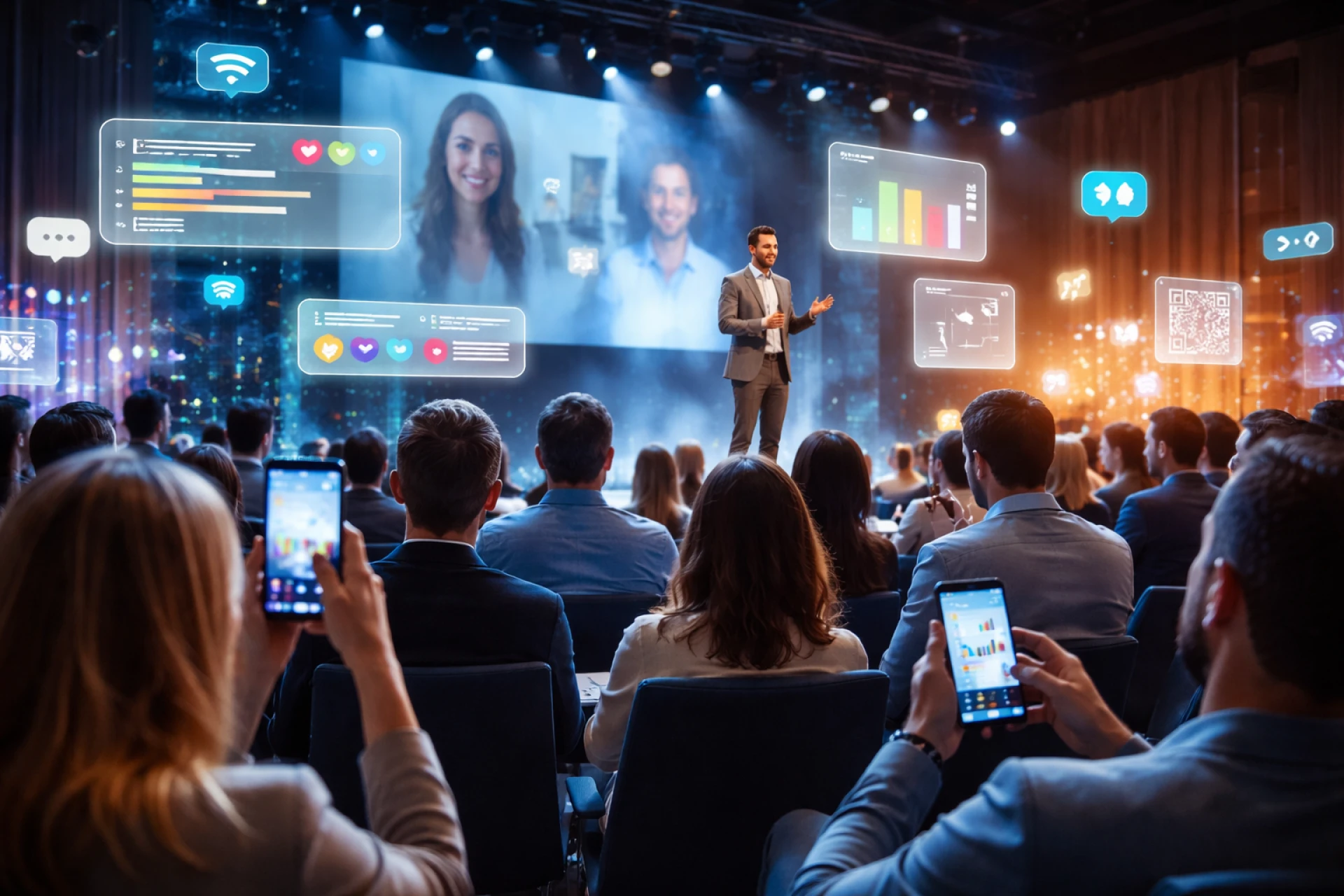
One of the most significant shifts in event design has been the rise of virtual and hybrid events. Virtual events enable attendees from anywhere in the world to join, interact, and participate in live sessions, panel discussions, breakout rooms, and networking lounges. Hybrid events combine the best of both worlds — offering in-person experiences alongside real-time digital participation.
These formats have become especially relevant in today’s global context, where accessibility and flexibility are major expectations. Hybrid events in particular allow attendees to choose how they want to engage — whether through a virtual portal or by being in the room — creating a more inclusive experience that caters to diverse needs. This approach reflects the broader evolution of events, where context and connection matter just as much as content.
For a strong example of modern event execution that blends strategic planning with innovative formats, you can explore Events at tenhatsagency.com.au — a showcase of contemporary event solutions that embrace both virtual and hybrid engagement techniques.
Interactive and Personalised Experiences
One of the most exciting changes in events today is the ability to create personalised experiences using data and smart technologies. Instead of treating all attendees the same, technology enables organisers to tailor content, sessions, recommendations, and even networking opportunities based on individual preferences. Tools powered by predictive analytics and machine learning analyse engagement data in real time to optimise experiences and anticipate attendee needs.
For instance, AI-driven recommendation engines can suggest relevant sessions based on previous interactions, while event apps can offer personalised agendas that evolve with the attendee’s behaviour throughout the day.
Interactive experiences — such as live polling, gamified activities, augmented reality (AR) displays, and collaborative digital environments — also invite deeper participation. These features turn passive observers into active contributors, creating memorable moments that resonate long after the event has ended.
Tech Tools That Empower Event Success
Event organisers now rely on an array of advanced technologies that make planning and execution smoother while enhancing guest experiences:
- Event Management Platforms: Centralised systems help organisers coordinate schedules, registrations, content libraries, and engagement metrics in one place.
- Predictive Analytics: Attendee behaviour insights allow event teams to tailor programming and target messages more effectively.
- AI and Machine Learning: Automated tools can handle personalised communication, session recommendations, and even real-time logistical decisions.
- Interactive Features: Mobile engagement, interactive digital installations, live chat functions, and gamification elements boost participation and attendee satisfaction.
These platforms and tools not only improve operational efficiency but also elevate the guest experience by creating environments that adapt and respond to audience needs.
The Role of Data in Shaping Event Experiences
Data has become one of the most valuable assets in modern event strategy. Unlike earlier formats that relied on assumptions or historical performance, today’s event organisers can harness real-time data to make smarter decisions. Data helps to forecast attendance numbers, optimise session content, and tailor individual experiences, improving outcomes for both attendees and organisers.
For example, tracking app engagement can reveal which sessions are most compelling, where attendees are spending their time, and how networking features are being used. This intelligence enables event teams to refine their approach — even mid-event — ensuring every moment adds value to the guest experience.
Accessibility, Inclusivity, and Sustainability in Tech-Driven Events
Technology is also advancing the accessibility and sustainability of events. Real-time captioning, multilingual support, and assistive technologies make participation easier for diverse audiences, while virtual or hybrid formats reduce travel emissions and resource use.
Beyond the environmental and accessibility benefits, this shift signals a broader cultural move within the events industry toward inclusivity and responsible engagement. By prioritising accessibility features and green practices, event organisers not only enhance attendee satisfaction but also demonstrate social responsibility.
Looking Ahead: What’s Next for Events?
The future of events lies in blending innovation with human-centred design. Attendees increasingly expect experiences that are seamless, personalised, and interactive. Whether through immersive virtual environments, intelligent content curation, or data-enriched engagement tools, the trajectory of events points toward highly connected, meaningful interactions.
Advancements in AI, augmented reality, and analytics will continue to shape how events are experienced, making them more memorable and impactful.
As technology evolves, so too will our definition of what it means to truly engage — not just inform — audiences. This evolution reflects a broader shift toward a more connected, personalised, and adaptable world of guest experiences.