
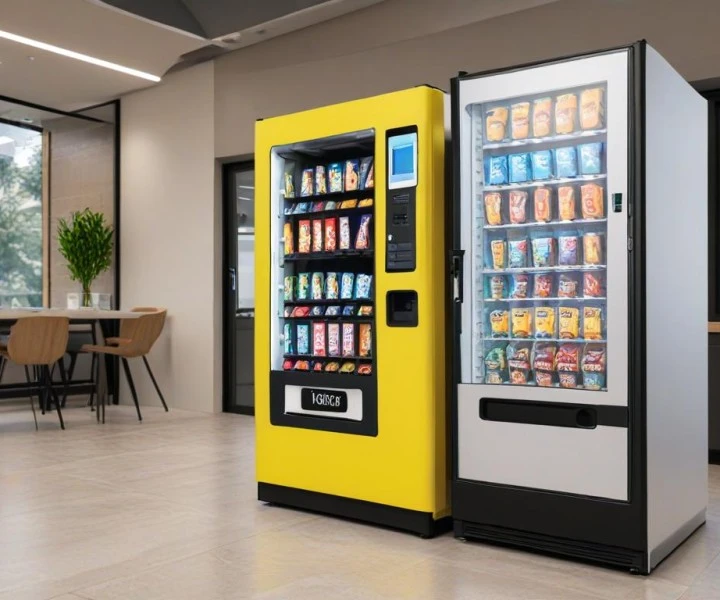
Walking into any corporate building across Sydney, you will notice something quietly humming in the corner of break rooms and hallways. These automated food dispensers have become such a natural part of office life that most workers barely register their presence until hunger strikes mid-afternoon. Yet their influence on workplace culture, productivity, and employee satisfaction runs deeper than many realise.
The relationship between Australian workers and these mechanical snack providers has evolved significantly over the past decade. What started as a basic convenience has transformed into an essential workplace amenity that shapes how people work, take breaks, and interact with colleagues. Understanding this transformation reveals much about modern work culture and the small details that make workdays more manageable.
Snacking at work is no longer about hunger alone. It connects with focus, mood, time pressure, and mental stamina. Understanding how snack vending machines influence daily work life reveals much about productivity, behaviour, and workplace culture across Sydney.
As one workplace health researcher observed,
“Food choices at work shape attention patterns more than many managers realize.”
Why Snack Access Matters During Work Hours
The human brain uses close to twenty per cent of the body’s energy, even while sitting at a desk. Mental tasks such as analysis, planning, and decision-making draw heavily on glucose levels. When those levels fall, attention drifts and fatigue sets in.
Australian workplace nutrition studies show that employees who have structured access to small snacks during the day report steadier concentration than those who skip food until main meals. This pattern explains why snack vending machines remain present in so many offices.
Key reasons snack access matters include:
- Mental energy drops during long work blocks
- Short breaks reset focus more effectively than pushing through fatigue
- Food timing influences alertness as much as food choice
These factors make snack availability a practical response to real biological needs rather than a workplace indulgence.
How Snack Vending Machines Shape Daily Work Patterns
The presence of food dispensers in Sydney offices has fundamentally altered how employees structure their days. Research from the Australian Institute of Health and Welfare indicates that 67% of workers skip breakfast at least twice weekly, making workplace snacking not just convenient but necessary for maintaining energy levels throughout the day.
Workers no longer need to plan extensive lunch breaks or leave the building when hunger hits unexpectedly. A quick trip to the break room provides instant access to food options, allowing employees to grab a snack between meetings or during tight deadlines. This accessibility has shortened break times while increasing their frequency, creating a more flexible approach to workplace nutrition.
The machines also serve as unofficial meeting points where colleagues cross paths naturally. Unlike scheduled meetings, these casual encounters at the snack dispenser often lead to spontaneous conversations that build workplace relationships. Many Sydney professionals report that some of their best collaborative ideas emerged during these informal break room interactions.
What Makes Office Snacking Different from Eating Elsewhere?
Workplace snacking happens under unique conditions. Time limits, shared spaces, and task pressure all influence choices. Unlike home settings, office eating often occurs between meetings or during screen time.
Common factors shaping office snacking include:
- Limited time for long breaks
- Visual cues near desks or common areas
- Stress from deadlines and workload
- Social awareness around colleagues
Behavioural studies indicate that visible food increases consumption. When access requires effort, people delay eating even when hungry. This pattern explains why placement and selection within snack vending machines matter.
Can Snack Vending Machines Support Focus Rather Than Distract?
This depends on how snacks are used. Mindless eating while working divides attention. Studies published in Australian workplace journals show that multitasking during eating reduces task quality and memory retention.
Intentional snack breaks create different outcomes. Stepping away from the screen for even five minutes allows a mental reset. Many workers return with improved clarity and problem-solving ability.
Small portions play a role as well. Large amounts redirect blood flow to digestion, causing drowsiness. Controlled portions support alertness without slowing thinking.
One Sydney office survey found that employees who paused work briefly to snack reported higher afternoon task completion compared to those who ate while typing.
What Does Research Say About Snack Timing?
There is no single eating pattern that fits every worker. Metabolism, age, and workload all influence ideal snack timing. However, patterns do emerge.
Australian studies tracking office workers show:
- Small snacks every three to four hours support steady energy
- Long gaps between meals increase mental fatigue
- Continuous grazing prevents proper metabolic recovery
Workers over forty often need more frequent small snacks to keep blood sugar steady. Younger employees may function well with fewer eating moments. Awareness matters more than rigid schedules.
Emotional Eating and Workplace Stress
Stress remains one of the strongest drivers of workplace snacking. Surveys show that more than seventy per cent of Australian employees snack during stressful periods, often without hunger.
Emotional hunger differs from physical hunger:
- Physical hunger builds slowly and ends with fullness
- Emotional hunger appears suddenly and seeks specific foods
Addressing emotional eating involves reducing stress triggers rather than restricting food. Offices that support regular breaks, movement, and calm spaces often see healthier snack patterns develop naturally.
Can Snack Access Really Improve Mental Wellbeing?
The connection between workplace snacking and mental health might seem tenuous, but neuroscience supports the link. Brain function relies heavily on glucose, and cognitive performance declines noticeably when blood sugar drops. Studies from the Black Dog Institute show that regular, small meals throughout the day help stabilise mood and maintain focus better than infrequent, large meals.
For workers managing deadline pressure, having immediate access to brain fuel can mean the difference between clear thinking and frustration. The simple act of stepping away from a desk, even briefly, provides mental reset opportunities that reduce stress accumulation throughout the day.
Break room visits also combat the isolation that can develop in open-plan offices where everyone wears headphones. These shared spaces create permission to pause, breathe, and briefly disconnect from work demands. The ritual of selecting a snack becomes a micro-break that protects against burnout in ways that might seem disproportionate to its brevity.
The Role of Snack Vending Machines in Sydney Offices
Snack vending machines meet a practical need in busy workplaces where leaving the site is not always possible. Across Sydney, offices rely on them to maintain energy flow during long shifts, meetings, and project deadlines.
Within the broader landscape of vending machine Sydney workplaces, these machines quietly support work continuity by reducing time loss and energy dips. Their everyday presence reflects how work environments adapt to human limits rather than expecting constant output.
Where a Thoughtful Vending Service Fits In
A workplace that thinks carefully about food availability often looks for a service that understands how snacks influence focus and behaviour. This is where a provider such as Vending System fits naturally into the discussion. Rather than acting as a filler solution, such a service aligns snack selection with real workday rhythms. Attention to portion size, variety, and nutritional balance helps support sustained concentration during long office hours. When snack access reflects how people actually work, it becomes part of a healthier daily routine rather than a distraction.
A Question Worth Asking: Are Snack Choices Shaping Your Workday?
Many workers focus on tasks, deadlines, and meetings while overlooking how food choices shape performance. A short pause to observe snack timing, type, and quantity often reveals patterns linked to focus highs and lows.
Keeping a brief journal for two weeks can uncover connections between food and mental clarity. Awareness empowers people to make choices that support their own energy rather than fighting natural cycles.
Moving Towards More Mindful Workplace Eating
Snack vending machines influence far more than hunger. They connect with cognitive stamina, stress response, mood balance, and daily productivity. When workplaces recognise these links, food becomes part of work design rather than an afterthought.
Sydney workspaces continue to evolve, yet human needs remain consistent. Respecting those needs through thoughtful snack access supports both individuals and organisations. When eating shifts from autopilot to intention, snacks transform into real fuel for the working mind.
As one occupational researcher summed it up,
The humble snack dispenser occupies a curious position in modern Sydney workplaces. Too ordinary to attract much attention, yet too useful to imagine working without, these machines have woven themselves into the fabric of daily office life. They represent something larger than their mechanical function suggests: a recognition that small comforts matter, that employee needs deserve attention, and that workplace design should serve human requirements rather than expecting humans to adapt to rigid structures. As Sydney's work culture continues evolving, these quiet corner fixtures will likely remain, adapting alongside the people they serve.
“Work performance improves when food supports the brain, not distracts it.”