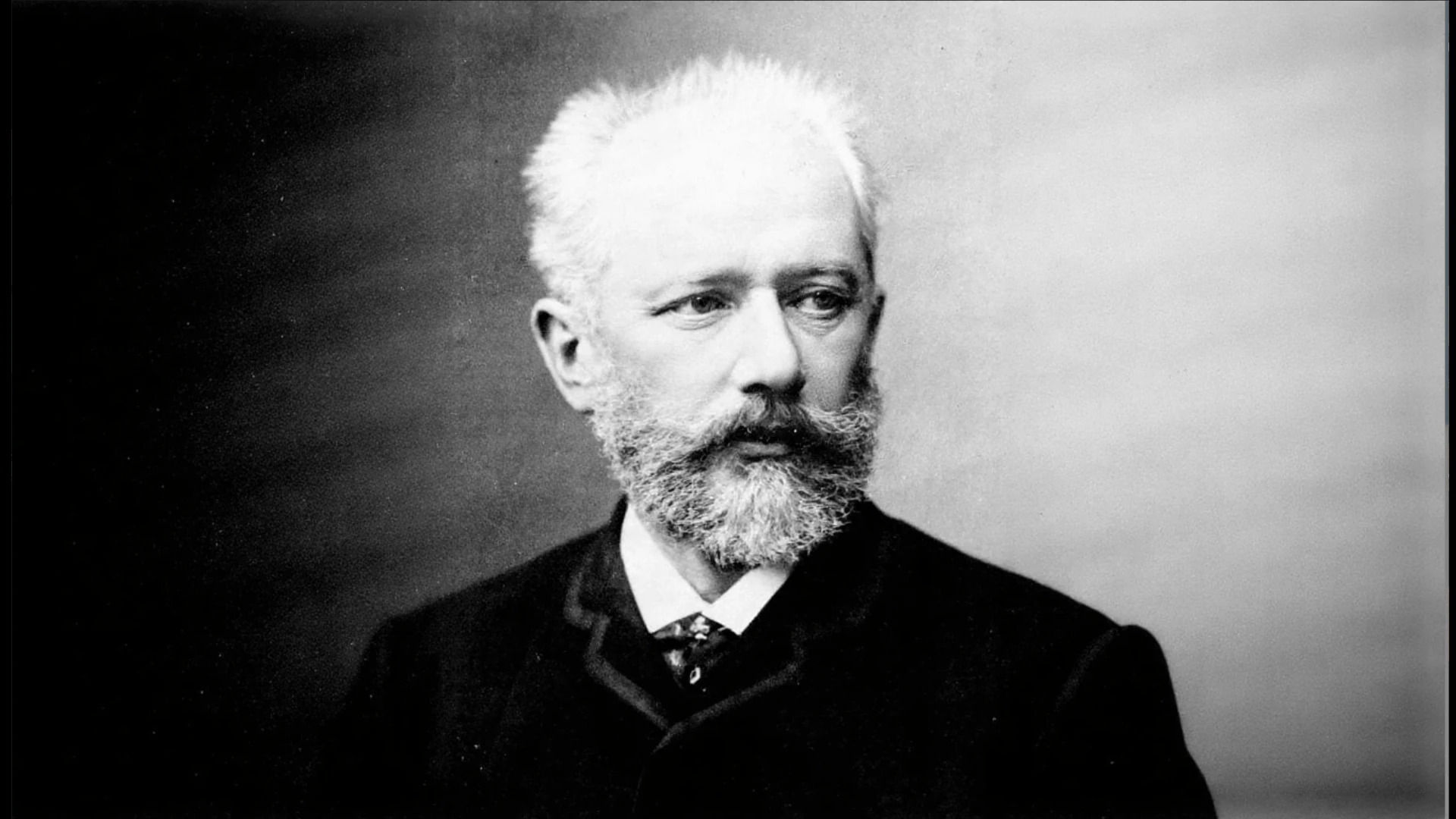
The lives of classical music composers are often celebrated for their innovation, technical mastery, and lasting influence. Yet behind the acclaim lies a more complex reality: many composers faced significant emotional and mental health challenges.
These struggles were sometimes intertwined with their creativity, influencing the music that continues to resonate with audiences today. Understanding the relationship between mental health and creativity offers insight into both the human experience and the artistic process behind some of history’s most enduring works.
Beethoven: Triumph Amid Adversity
Ludwig Van Beethoven is widely regarded as one of the greatest composers in history, yet his personal life was marked by profound challenges. He began losing his hearing in his late twenties, a condition that would eventually leave him completely deaf. Despite this, Beethoven continued to compose, producing some of his most ambitious and emotionally charged works while grappling with this limitation.
Accounts suggest Beethoven also experienced depression and irritability, exacerbated by family disputes and social isolation. These emotional states often found expression in his music, from turbulent, dramatic passages to intimate, reflective movements. His ability to channel personal struggle into creative output demonstrates how adversity can influence artistic achievement, and how mental health challenges can coexist with remarkable productivity.
Schumann: Creativity And Fragility
Robert Schumann, a 19th-century Romantic composer, experienced cycles of depression and likely bipolar disorder. Despite these challenges, he produced an extensive and influential body of work, including symphonies, piano pieces, and song cycles. Schumann’s emotional intensity was reflected in his compositions, often characterised by abrupt mood shifts and contrasting tones.
Letters and journals reveal periods of intense creative focus followed by deep despair, suggesting that his mental state had a direct impact on his music. Schumann’s life demonstrates that vulnerability and artistic innovation are not mutually exclusive; in fact, emotional sensitivity can contribute to musical depth and originality.
Tchaikovsky: Anxiety And Emotional Expression
Pyotr Ilyich Tchaikovsky faced anxiety, social pressure, and internal conflict throughout his life. His music frequently conveys profound emotion, from exuberant joy to melancholy. Personal letters indicate ongoing depression and anxiety, alongside societal pressures regarding his identity and relationships.
Despite these challenges, Tchaikovsky produced works of exceptional emotional depth, including ballets such as Swan Lake and The Nutcracker, as well as symphonies that combine grandeur with introspection. His experiences highlight how personal struggles can influence expressive composition, and how emotional intensity can enrich the listener’s experience.
Mental Health Challenges And The Creative Process
Many composers throughout history experienced emotional and mental health difficulties, ranging from anxiety and depression to more severe conditions. These challenges often coincided with periods of intense creativity, suggesting a nuanced relationship between psychological distress and artistic output.
Research in psychology and musicology indicates that traits associated with heightened emotional sensitivity, introspection, and perceptual awareness—sometimes linked to mental health struggles—can contribute to originality and depth in creative work. While mental illness is not a prerequisite for creativity, the emotional landscape of composers frequently informed the tone, style, and expression of their music.
The Role Of Support And Understanding
Historical evidence shows that composers with supportive networks or understanding patrons managed their emotional challenges more effectively. For example, Schumann benefited from the support of his wife, Clara, a talented pianist and composer, who provided both personal care and professional collaboration. Similarly, Beethoven maintained friendships and patronage that encouraged his work despite the limitations imposed by his hearing loss.
Supportive relationships were critical not only for personal well-being but also for sustaining conditions conducive to creative production. These examples highlight the importance of social and professional networks for artists managing mental health challenges.
Lessons For Contemporary Musicians And Audiences
The lives of classical composers offer valuable lessons for contemporary musicians and audiences. Recognising the mental health struggles of historical composers humanises figures often viewed as untouchable geniuses. Their achievements were realised despite considerable personal difficulties, not in spite of them.
These histories emphasise the need for mental health awareness in the arts. Modern musicians face similar pressures, including career expectations, public scrutiny, and the emotional demands of performance. Learning from the experiences of historical composers reinforces the importance of creating supportive environments and maintaining proactive approaches to wellbeing.
The Intersection Of Mind And Music
Mental health and creativity were intricately linked in the lives of classical composers. Beethoven, Schumann, Tchaikovsky, and many others navigated emotional challenges that shaped the music they produced. Their experiences show that significant art often emerges from complex human realities, and that creativity can serve both as expression and as a mechanism for coping.
Understanding the emotional lives of composers enriches appreciation of their music, offering insight into the human experiences behind the notes. It also underlines the ongoing relevance of mental health support for contemporary artists. Recognising the intersection of mind and music allows audiences to engage more deeply with compositions while providing contemporary musicians with lessons in resilience, discipline, and the constructive role of emotional experience in creative work.