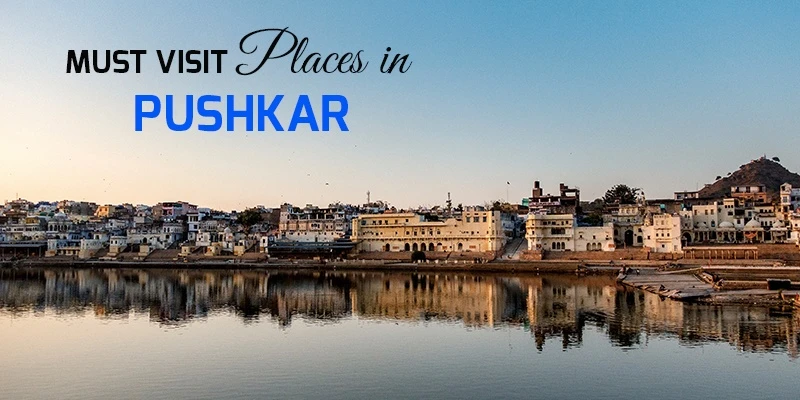
In the heart of Rajasthan lies a spiritual town that continues to capture the imagination of pilgrims, explorers, and cultural travelers alike. Pushkar, nestled beside a tranquil lake and surrounded by desert hills, is more than a holy town—it's a living chronicle of devotion, heritage, and timeless tradition. Whether you're on a spiritual retreat or simply discovering the region through a Pushkar Sightseeing tour, the town’s divine legacy and deep-rooted cultural identity are undeniable.
Origins Rooted in Myth and Belief
Pushkar’s sacred history is steeped in Hindu mythology. It is said that Lord Brahma, the creator in the Hindu trinity, dropped a lotus flower from the heavens, which gave rise to Pushkar Lake. In a land that rarely speaks of Brahma temples, Pushkar stands out with its iconic Brahma Temple—the only one of its kind in India that draws thousands of devotees throughout the year.
The spiritual energy of Pushkar is palpable. The lake itself, surrounded by 52 bathing ghats and over 400 temples, forms the town's heart. Pilgrims gather to bathe in its holy waters, believing the ritual will cleanse their sins and grant spiritual merit. During Kartik Purnima, the full moon of the Hindu calendar's eighth month, the town bursts to life with thousands of visitors seeking blessings, making this an ideal time for cultural travelers to witness the divine fervor up close.
Pushkar’s Role in Rajasthan’s Cultural Identity
Pushkar doesn’t exist in isolation—it plays a vital role in the broader Rajasthani cultural landscape. Known for its sacred traditions, folk music, colorful festivals, and age-old customs, Pushkar brings alive the essence of Rajasthan. From intricately adorned camels to soulful ballads sung by local bhopas (folk singers), the cultural expressions here speak volumes about the values and vibrancy of this region.
What sets Pushkar apart is its seamless blend of the spiritual and the cultural. It’s not unusual to hear temple bells ringing while a group of folk musicians plays traditional instruments nearby. The streets are alive with spiritual chants, artisans selling handmade crafts, and food vendors offering authentic Rajasthani flavors. This fusion reflects a deeper truth: Pushkar is not only a destination for the devout but a mirror of the broader Rajasthani spirit.
Pilgrimage Meets Celebration: The Pushkar Fair
One of the most captivating experiences in Pushkar is the annual Pushkar Camel Fair. While its global fame often focuses on the colorful spectacle of camels, livestock trading, and cultural performances, its origins are deeply spiritual. Held in the same period as Kartik Purnima, the fair is timed with religious ceremonies on the ghats and the peak of temple activity. It’s here that Pushkar’s spiritual and cultural identities merge into an unforgettable celebration of life.
Travelers attending the fair are treated to a panorama of cultural authenticity. From turban-tying competitions to folk dances, puppet shows, and Rajasthani cuisine, the event provides a rare window into the soul of the desert state. For many visitors, this fair becomes a highlight of their Rajasthan culture tour, allowing them to connect more deeply with local traditions.
Architectural Grace and Sacred Spaces
Pushkar’s architectural landscape adds another layer to its divine legacy. The ghats, with their whitewashed steps descending into the lake, offer a meditative backdrop that contrasts with the chaos of temple bells and street activity. The temples themselves, though modest in size, carry centuries of devotion and artistic detail. The Brahma Temple, with its red spire and black stone idol, is surrounded by myth and reverence.
Nearby, the Savitri Temple perched on a hill provides panoramic views of the town and lake. Many travelers make the trek to witness the sunrise—a peaceful ritual that feels as sacred as any prayer. Other temples, such as the Varaha Temple and Rangji Temple, reflect a blend of Mughal and Rajput architectural influences, testifying to Pushkar’s enduring appeal across dynasties and cultures.
Pushkar as a Living Spiritual Center
Unlike many historical towns that preserve culture in museums or re-enactments, Pushkar continues to live its traditions every day. The priests perform age-old rituals at dawn, local artisans create religious souvenirs using inherited techniques, and communities gather in evening aartis that echo through the streets. This isn’t a performance—it’s a way of life.
For those seeking to understand the soul of Rajasthan, Pushkar offers a portal. Its divine legacy isn’t something buried in the past; it’s alive in every temple ritual, folk song, and shared meal. It teaches visitors about patience, spirituality, and community—values often lost in modern travel experiences.
The Ideal Gateway to Rajasthani Spiritual Tourism
Pushkar’s sacred charm also makes it a central point for travelers exploring Rajasthan through spiritual or cultural routes. Whether as part of a multi-day travel agency in Rajasthan itinerary or a short detour from nearby cities like Ajmer or Jaipur, the town offers a fulfilling stop that balances introspection and discovery.
Its accessibility and range of experiences—religious sites, cultural events, spiritual serenity—position it as more than just a pilgrimage site. It becomes a bridge between ancient wisdom and contemporary curiosity. The town appeals equally to the solo spiritual seeker, the culturally curious couple, or the family on a heritage tour.
Conclusion: Pushkar’s Everlasting Impression
Pushkar isn’t just visited; it’s felt. Every part of the town, from the ghats to the alleys, speaks to a legacy that is both divine and deeply human. For those looking to explore more than monuments, Pushkar reveals the heart of Rajasthan’s cultural and spiritual identity.
It doesn’t try to impress. It simply exists as it always has—rooted in devotion, shaped by centuries of tradition, and open to all who seek meaning beyond the material. The divine legacy of Pushkar isn’t in its fame, but in its ability to quietly transform the people who walk its sacred paths.