
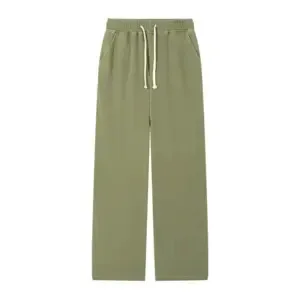
Sweatpants have evolved from simple athletic wear into an essential part of modern fashion, athleisure, and everyday comfort. Whether worn for workouts, travel, lounging, or streetwear styling, sweatpants have become a staple in wardrobes around the world. However, not all sweatpants are made from the same fabric. Two of the most popular materials used in their production are French Terry and fleece.
Although these fabrics may appear similar at first glance, they offer distinct characteristics that affect comfort, warmth, performance, durability, and overall wearability. Understanding the differences between French Terry and fleece sweatpants can help consumers, retailers, and apparel brands make informed decisions when selecting the right products for specific markets and purposes.
In this guide, we will explore the unique properties of each fabric and examine which option is best suited for various applications.
Understanding French Terry Fabric
French Terry is a knit fabric known for its smooth outer surface and looped interior construction. The loops on the inside create small air pockets that improve breathability while maintaining a comfortable feel against the skin.
French Terry is typically made from cotton or cotton-blend fibers, although modern performance versions may include polyester, spandex, or recycled materials.
Key characteristics of French Terry include:
- Lightweight feel
- Soft texture
- Moderate warmth
- Excellent breathability
- Moisture absorption properties
- Comfortable stretch
Because of these features, French Terry is commonly used in sweatpants, hoodies, joggers, and casual athleisure apparel.
Many sweatpants manufacturers favor French Terry for collections designed for year-round wear and active lifestyles.
Understanding Fleece Fabric
Fleece is another popular fabric used in sweatpants production. Unlike French Terry, fleece features a brushed inner surface that creates a soft, fluffy texture designed to trap heat.
The brushing process raises fibers from the fabric surface, increasing insulation and warmth. Fleece sweatpants are often made from cotton blends, polyester blends, or synthetic performance materials.
Common characteristics of fleece include:
- Superior warmth
- Soft interior feel
- Enhanced insulation
- Cold-weather comfort
- Cozy texture
- Heat retention
Fleece has become a preferred fabric for winter apparel, outdoor clothing, and casual loungewear due to its excellent thermal properties.
Breathability: French Terry Takes the Lead
One of the most significant differences between these fabrics is breathability.
French Terry is designed with looped yarns that allow air to circulate more freely through the garment. This structure helps regulate body temperature and reduces overheating during movement.
For individuals who wear sweatpants while exercising, traveling, or engaging in daily activities, French Terry often provides greater comfort because it allows excess heat to escape.
Fleece, while comfortable, tends to trap heat more effectively. This makes it less breathable than French Terry but more suitable for colder conditions.
When temperature regulation is a priority, French Terry generally performs better.
Warmth and Insulation: Fleece Excels
When it comes to warmth, fleece is the clear winner.
The brushed interior creates insulation by trapping warm air close to the body. This feature makes fleece sweatpants highly effective in cold climates and winter seasons.
French Terry offers moderate warmth but is not designed primarily for insulation. Its lightweight construction makes it ideal for transitional weather and indoor environments.
Consumers seeking maximum warmth often choose fleece sweatpants, while those looking for versatility tend to prefer French Terry options.
Moisture Management Performance
Moisture management plays an important role in activewear performance.
French Terry naturally absorbs and manages moisture more effectively due to its looped interior construction. Sweat is absorbed and distributed across the fabric, helping wearers remain comfortable during physical activities.
This makes French Terry an excellent choice for:
- Gym workouts
- Walking
- Running errands
- Travel
- Casual activewear
Many active wear manufacturers use French Terry for athleisure collections because of its moisture-handling capabilities.
Fleece, on the other hand, prioritizes insulation rather than moisture control. Although modern fleece blends may offer moisture-wicking features, they generally do not match the breathability of French Terry fabrics.
Comfort and Everyday Wear
Both fabrics are highly comfortable, but they provide different wearing experiences.
French Terry offers:
- Lightweight comfort
- Flexible movement
- Breathable wear
- Smooth exterior finish
Fleece provides:
- Plush softness
- Cozy insulation
- Warm interior texture
- Relaxed feel
The choice often depends on climate and personal preference.
Consumers living in warmer regions frequently gravitate toward French Terry, while those in colder areas often prefer fleece sweatpants.
Durability and Longevity
Durability is a critical factor for both consumers and apparel brands.
French Terry is generally known for its resilience. The looped structure maintains its appearance well over time and resists excessive pilling when properly manufactured.
Fleece can also be durable, but lower-quality fleece fabrics may experience pilling after repeated washing and wear.
Many premium sports garments suppliers invest in advanced fabric treatments and high-quality yarns to improve the longevity of both French Terry and fleece garments.
Proper care and manufacturing quality ultimately influence the lifespan of either fabric.
Seasonal Suitability
One of the easiest ways to distinguish between French Terry and fleece sweatpants is by considering seasonal use.
French Terry is ideal for:
- Spring
- Summer evenings
- Early autumn
- Indoor environments
- Mild weather conditions
Fleece is ideal for:
- Winter
- Cold outdoor activities
- Snowy climates
- Chilly mornings
- Layering during cold seasons
As consumers increasingly seek year-round wardrobe versatility, many brands offer both fabric options to accommodate changing weather conditions.
Fashion and Streetwear Applications
Sweatpants have become a major component of modern streetwear culture.
French Terry is especially popular in fashion-forward collections due to its clean appearance and lightweight structure. It allows designers to create tailored silhouettes while maintaining comfort.
Many collections developed by a streetwear manufacturer incorporate French Terry because it provides a premium look suitable for contemporary athleisure and urban fashion trends.
Fleece sweatpants also maintain a strong presence in streetwear, particularly during fall and winter seasons. Oversized fleece styles continue to gain popularity among consumers seeking both comfort and trend-driven aesthetics.
Sustainability Considerations
Sustainability is becoming increasingly important in apparel manufacturing.
Both French Terry and fleece can be produced using environmentally responsible materials, including:
- Organic cotton
- Recycled polyester
- Sustainable cotton blends
- Low-impact dyes
Many brands now prioritize sustainable sourcing practices to reduce environmental impact while maintaining product quality.
As global demand for responsible apparel grows, manufacturers continue exploring innovative ways to improve fabric sustainability without compromising performance.
Businesses involved in wholesale clothing exporters in Pakistan are increasingly adopting eco-conscious production practices to meet international market expectations.
Manufacturing Considerations for Brands
When developing sweatpants collections, brands must evaluate several factors before selecting a fabric.
Important considerations include:
- Target climate
- Intended use
- Consumer preferences
- Price positioning
- Brand identity
- Performance requirements
French Terry is often chosen for activewear and athleisure products due to its lightweight versatility.
Fleece remains a preferred option for winter collections and comfort-focused apparel.
Many apparel businesses collaborate with experienced sweatpants manufacturers to determine which fabric best aligns with their product goals and customer expectations.
Consumer Preferences in Modern Apparel
Today's consumers prioritize versatility, comfort, and functionality.
Many shoppers now own both French Terry and fleece sweatpants because each serves a different purpose. French Terry offers lightweight everyday wear, while fleece provides warmth and comfort during colder months.
The growing popularity of hybrid lifestyles—where consumers transition between work, fitness, and leisure activities throughout the day—has increased demand for sweatpants that balance performance and style.