Canada is an extremist nation. Canadian environments come in anything, but average; winter temperatures of -40 C in the Prairies and hot humid weather in Ontario, the variable cold of the North Atlantic. In the case of those industries that construct, test, or produce in these environments, simulating real-world conditions in a closed environment is not only convenient, but it is also a prerequisite. Here advanced environmental chambers enter the picture.
The testing systems are very high-tech and can be used to induce harsh conditions, humidity and replicate pressure, corrosion and finally temperature extremes within a lab, all within an industry. And, as quality standards, regulations, and effects of climate change are increasing in Canadian sectors, high-precision testing is now more necessary than ever before.
Why are environmental chambers a non-negotiable product in many of the major Canadian industries, and why will they play a role in defining the future of innovation, safety, and performance?
1. Weather-Proofing Canadian Products
Durability of products is not something small considering that temperatures in the country can vary by as much as 80 o C in a year. It may be a smart phone, it may be a battery in an electric car, or in a medical device, but Canadians want performance they can rely on, regardless of the weather.
These harsh conditions are mimicked so accurately in environmental chambers. The manufacturers will be able to subject products to freezing levels of coldness, intense heat, excessive UV levels and humidity changes to determine how they will lose or gain their properties. The weaknesses are exposed even before reaching the market thus teams get the chance to perfect the designs and develop resilience.
For example:
- Electronics undergo freeze-thaw cycles to test internal condensation risks.
- Construction materials are exposed to accelerated aging from wind, moisture, and temperature shifts.
- Plastics and polymers are tested for brittleness in sub-zero temperatures common in northern provinces.
Environmental chambers can assist Canadian firms in global and local competitiveness within a marketplace where quality and longevity are relevant.
2. Supporting Clean Tech and Green Innovation
The government of Canada has taken serious pledges of climate ambitions, and in turn, their clean technology industry is flourishing. Carbon capture, renewable energy, and mass transportation via electricity all seem under pressure to provide a product that can successfully work in the Canadian climate, and do it reliably.
Here’s where advanced testing environments become critical:
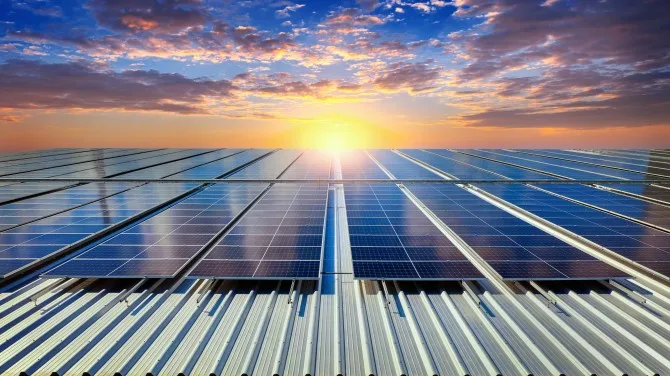
- Solar panels must endure both icy winters and high summer heat.
- Wind turbine materials must resist salt spray, corrosion, and temperature fatigue.
- Battery technologies need to perform safely during freezing starts and summer peaks.
Environmental chambers enable entrepreneurs and scientists to take risks and be within the limits and in compliance. They give the confidence that a sustainable innovation is not just on paper but it is ready to be implemented in the real world.
3. Strengthening Canada's Aerospace and Defense Sectors
There can hardly be a sector in which precision testing is vital as in aerospace and defense. Canada has the third largest aerospace industry as it contributes a lot to the global security as well as the aviation and the exploration of space.
The environmental chambers recreate altitude, pressure, vibration and the extremes of weather and have to ensure that the aircraft, drones and the defence systems can survive. In other instances, such chambers simulate non-Earth conditions, to test freezing space flight hardware or high-G atmospheric re-entry parts.
Applications include:
- Thermal shock testing for satellite components.
- Altitude simulations for high-flying aircraft or surveillance systems.
- Corrosion and salt spray testing for naval and coastal defense equipment.
The increased presence of Canada in international space cooperation and Arctic defense also means that advanced simulation tools are essential to maintain equipment functional, safe and mission ready.
4. Ensuring Pharmaceutical and Medical Product Safety
The pharmaceutical and life sciences industries in Canada have to match some of the most demanding regulations in the world. The products may go through several stages where it is necessary to store them, transport, and finally administer in a varying place of use like the rural or northern communities.
Here stability testing which is conducted in environmental chambers is important. It establishes the shelf life of any drug or product in varying circumstances.
This includes:
- Testing drug shelf-life at controlled temperature and humidity levels.
- Simulating transportation stress across climate zones.
- Verifying packaging integrity under freeze-thaw cycles.
In the case of medical equipment, the chamber may make sure that the materials do not break, bend, or fall apart in response to environmental conditions this may be a life-threatening condition in a healthcare environment.
5. Meeting Strict Quality and Compliance Standards
High quality testing requirements are emerging to be part of quality assurance among government regulations and third-party certifications. Environmental chambers can assist a company in recording compliance and showing confidence in complying with CSA, ISO, Health Canada, and Transport Canada testing/standards.
For example:
- Automotive suppliers may need to pass cold-start testing for northern driving.
- Food packaging must show resistance to temperature and humidity swings during transit.
- Telecom equipment must be field-rated for rain, ice, and snow exposure.
The modern environmental chambers mean documentation and audits have never been simpler, thanks to real-time data-logging, programmable cycles and a large amount of accuracy in monitoring, eliminating the bottle necks on the production line and allowing access to market far more quickly.
6. Boosting R&D Across Universities and Innovation Hubs
Canada has a research ecosystem, which, starting with the University of Toronto and continuing on to UBC and an unknown number of commercial labs, lives on experimentation. However, without controlled variables, innovation is not going anywhere.
Environmental chambers are indispensable in:
- Material science studies, where temperature and pressure behavior must be mapped.
- Agricultural research, testing how crops or fertilizers perform in extreme climates.
- Robotics, ensuring sensors and hardware function in a range of outdoor environments.
With Canada gaining more traction in its choice to become an international R&D leader, the opportunity to gain access to a harness in the form of this degree of simulation puts Canadian researchers at the advantage they require to generate up-scale, tried-and-true technologies.
Conclusion
Environmental chambers were a previously specialized equipment used only in leading laboratories or in military testing. They are, today, taking the form of a pillar of quality control, safety, and innovation in the Canadian industries.
Whether to startups or to established manufacturers and from climate-concerned engineers to the global exporters, the capability of simulating the complex environments of Canada, is not simply a helpful exercise, but of utmost necessity. Because standards are increasing and the circumstances become even more demanding, advanced environmental testing investment is not merely ticking a box anymore. It is the way of constructing better, stronger, and smarter, the nation that does not allow anything less.