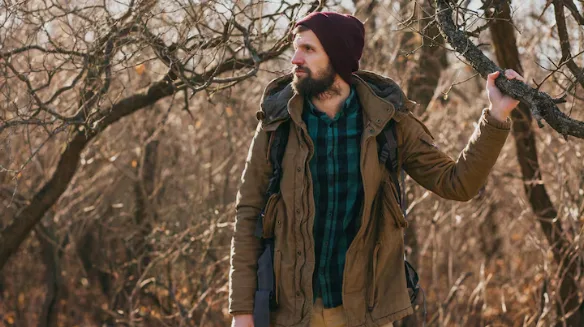
Cold-weather hunting presents unique challenges. Choosing the right hunting clothing ensures safety, comfort, and efficiency while in the field. Hunters must balance warmth, mobility, and noise reduction to avoid spooking game. Proper attire also prevents hypothermia and frostbite, making it essential for extended hunting trips. Layering, moisture management, and wind protection are key elements of cold-weather hunting gear.
Whether you are hunting in private timberlands or public hunting grounds, being prepared with the proper cold weather clothing can make the difference between a successful hunt and an uncomfortable day in the woods. Understanding how to select, layer, and maintain your clothing is essential for all hunters, particularly those focused on whitetail hunting in the colder months.
Why Proper Cold-Weather Clothing Matters
The right clothing allows hunters to remain in the field longer, maintain focus, and stay safe. Poorly chosen gear can lead to discomfort, fatigue, and even dangerous exposure.
Benefits
- Maintains body heat in freezing temperatures
- Provides moisture-wicking to prevent sweating and chills
- Reduces noise for stealthy hunting
- Protects against wind, rain, and snow
Proper clothing also contributes to mental focus during hunts. When a hunter is cold or wet, fatigue sets in quickly, reducing the ability to spot deer or react quickly. Good cold-weather clothing balances insulation, breathability, and protection, allowing hunters to perform optimally even in extreme conditions. Staying dry and warm ensures that your energy is directed toward tracking game, observing movement, and executing ethical shots rather than battling the elements.
Layering for Cold-Weather
Layering is the foundation of effective cold-weather hunting attire. It allows for adaptability to changing conditions and activity levels.
Base Layer
- Moisture-wicking materials like merino wool or synthetic fabrics
- Keeps skin dry and regulates body temperature
- Avoid cotton, which retains moisture and chills the body
The base layer is the foundation that keeps the hunter dry and comfortable. During periods of high activity, such as walking long distances or climbing, this layer helps manage sweat while preventing the body from losing heat when at rest. A good base layer moves moisture away from the skin to maintain warmth in cold weather conditions.
Mid Layer
- Provides insulation to retain heat
- Fleece or down jackets work well for core warmth
- Lightweight options prevent bulk while maintaining mobility
Mid layers add versatility. Hunters can remove or add mid layers depending on activity level or changing weather, ensuring optimal comfort. A high-quality mid layer also traps warm air close to the body, serving as a buffer between the base layer and the outer shell while preserving mobility for hunting.
Outer Layer
- Windproof, water-resistant, and breathable materials
- Shell jackets and pants protect against snow, rain, and wind
- Essential for maintaining warmth in harsh cold weather conditions
The outer layer is crucial for defending against elements while allowing sweat to escape. Breathable fabrics prevent overheating during active periods, and waterproofing keeps hunters dry in wet snow or sleet. The combination of all three layers ensures you remain insulated, mobile, and alert throughout your hunt.
Essential Clothing Items for Cold-Weather
Several key clothing pieces are critical for comfort and safety during winter hunts.
Headwear
- Insulated hats, beanies, or balaclavas
- Covers ears and forehead for maximum heat retention
- Optional face masks for wind protection
Keeping the head warm is critical, as up to 30% of body heat can be lost through the head. Choosing versatile headwear also allows hunters to adapt coverage during varying activity levels. Hats with removable face shields or balaclavas provide additional options for extreme weather conditions.
Gloves and Hand Protection
- Layered gloves with moisture-wicking liners
- Waterproof and insulated outer gloves
- Fingerless options for dexterity when handling gear
Proper hand protection ensures hunters maintain control and dexterity while minimizing frostbite risk. Layering gloves allows for temperature adjustments during heavy activity or waiting periods. Gloves should provide grip for handling bows, firearms, or game.
Socks and Footwear
- Thermal or wool socks for insulation
- Waterproof boots with good traction for snowy terrain
- Consider boot heaters for extremely low temperatures
Feet are particularly vulnerable to cold during long hunts. Waterproof and insulated boots prevent wet feet, while thick, moisture-wicking socks add warmth without restricting circulation. Proper footwear prevents slips and injuries in icy terrain.
Pants and Jackets
- Insulated, breathable pants and jackets
- Avoid overly bulky items that restrict movement
- Reinforced knees and elbows for added durability
Durable pants and jackets offer protection during rough terrain navigation. Insulated fabrics keep hunters warm without creating excessive bulk, which ensures mobility and stealth during hunting in cold environments.
Choosing Camouflage
Effective camouflage is as important in winter as it is in other seasons. Patterns that match snow, bare trees, and brush improve concealment.
Camouflage Tips
- Use white, gray, or muted earth tones
- Layer patterns for mixed terrain coverage
- Avoid bright colors that attract attention
Winter camouflage not only helps hunters remain unseen by deer but also improves confidence when moving through the woods. Matching natural surroundings reduces the chance of detection during stalks or when positioning near feeding areas.
Accessories to Improve Comfort
Small gear additions make a big difference during long, cold hunts.
Scarves and Neck Gaiters
- Protect the neck and lower face from the wind
- Prevent heat loss in sensitive areas
Hand Warmers and Heated Gear
- Disposable or rechargeable hand and foot warmers
- Battery-powered heated vests or gloves for extreme conditions
Sunglasses or Goggles
- Reduce glare from snow
- Protect eyes from wind and cold
These accessories complement hunting clothing, providing extra warmth and comfort while allowing hunters to maintain focus during prolonged exposure to cold.
Moisture Management
Staying dry is as important as staying warm. Sweat or precipitation can chill the body and reduce performance.
Moisture Management Tips
- Use moisture-wicking base layers
- Avoid cotton; choose merino wool or synthetic blends
- Ensure outer layers are breathable yet water-resistant
Proper moisture management prevents hypothermia and improves endurance in extreme cold-weather hunting conditions. Hunters who remain dry are able to concentrate on game tracking and observation rather than fighting discomfort.
Movement and Mobility
Hunting often requires walking long distances, climbing, and carrying gear. Clothing should allow a full range of motion.
Mobility Guidelines
- Choose flexible fabrics for mid and outer layers
- Avoid overly tight or bulky items
- Test clothing during practice hunts to ensure ease of movement
Balancing warmth with mobility ensures hunters are agile enough to navigate terrain safely while remaining stealthy during hunting excursions.
Safety Considerations
Cold-weather introduces unique hazards. Proper hunting clothing can prevent frostbite, hypothermia, and slips.
Safety Tips
- Avoid overdressing, which can cause sweating and chills
- Stay dry during wet snow or rain
- Wear insulated, non-slip boots for icy terrain
- Keep a backup set of dry clothing in your pack
Being prepared for sudden weather changes improves safety and allows hunters to remain alert throughout the deer hunting season.
Maintaining Your Clothing
Proper care extends the lifespan and effectiveness of cold-weather hunting gear.
Maintenance Tips
- Wash layers according to manufacturer guidelines
- Store insulated clothing in cool, dry locations
- Replace worn or damaged items promptly
- Reapply waterproof coatings to outer layers as needed
Maintaining gear ensures your hunting clothing continues to provide optimal warmth, protection, and mobility for multiple seasons.
Table: Cold-Weather Clothing Checklist
ItemPurposeNotesBase layerMoisture-wickingSynthetic or merino woolMid layerInsulationFleece, down, or syntheticOuter layerWind/water protectionBreathable shell jackets/pantsHatHead warmthBeanie, balaclava, face protectionGlovesHand warmthLayered, insulated, waterproofSocksFoot insulationThermal or wool, an extra pair is recommendedBootsTraction and warmthWaterproof, insulatedAccessoriesExtra protectionScarves, neck gaiters, hand warmers, gogglesConclusion
Selecting proper clothing for cold-weather is essential for comfort, safety, and hunting success. Layering, moisture management, and mobility allow hunters to spend extended periods in the field without compromising performance.
By combining quality clothing with additional gear like hand warmers and insulated boots, hunters maximize both efficiency and enjoyment. Following a hunting gear checklist ensures no critical item is forgotten. Proper attire also complements hunting strategies, allowing hunters to remain undetected and fully prepared during the entire season.
Frequently Asked Questions
1. What is the best base layer for cold-weather hunting?
Synthetic or merino wool layers wick moisture and retain warmth while keeping you dry.
2. Should I wear multiple mid-layers?
Yes, layering allows for adjustment to temperature changes and activity levels.
3. How important is camouflage in winter?
It helps concealment against snow, brush, and bare trees for successful hunting.
4. Can I use cotton clothing in cold-weather?
No, cotton retains moisture, leading to chills and potential hypothermia.
5. What accessories improve comfort in freezing conditions?
Hand warmers, heated gloves, neck gaiters, and insulated boots enhance warmth and mobility.