The emergence of blockchain technology has fundamentally reshaped the digital finance ecosystem, giving rise to a new generation of financial platforms that operate without centralized intermediaries. Among these innovations, decentralized exchanges—commonly known as DEXs—have become a cornerstone of the decentralized finance (DeFi) movement. A Decentralized Exchange allows users to trade digital assets directly from their wallets using blockchain-based protocols, eliminating the need for traditional custodial exchanges.
Over the past few years, decentralized trading platforms have experienced significant growth, processing billions of dollars in daily transaction volumes and supporting a rapidly expanding ecosystem of digital assets. This expansion is driven not only by the demand for non-custodial trading solutions but also by the continuous evolution of the technologies that power these platforms. A modern Decentralized finance exchange relies on a sophisticated combination of blockchain infrastructure, cryptographic protocols, smart contracts, and liquidity mechanisms to deliver a secure and efficient trading environment.
For organizations entering the DeFi space, understanding the technological architecture behind decentralized exchanges is essential. Businesses investing in Dex Development often collaborate with a specialized Dex Development Company to design advanced Dex Development Solutions capable of supporting secure, scalable, and high-performance trading platforms.
This article explores the core technologies that power decentralized exchange platforms, examining how they interact to create transparent, automated, and decentralized financial markets.
Blockchain Infrastructure: The Foundation of Decentralized Exchanges
At the heart of every decentralized exchange lies a blockchain network that serves as the underlying infrastructure for all transactions and data storage. Blockchain technology functions as a distributed ledger maintained by a network of nodes that collectively validate and record transactions. Unlike traditional centralized databases, blockchain systems operate without a single controlling authority, making them highly resilient and transparent.
In a Decentralized finance exchange, blockchain networks provide the environment in which smart contracts execute trading logic and asset transfers occur. Popular blockchain platforms used in Dex Development include Ethereum, BNB Chain, Polygon, Avalanche, and Solana. Each of these networks offers unique advantages in terms of scalability, transaction speed, and ecosystem support.
The decentralized nature of blockchain technology ensures that no single entity can manipulate transaction records or control the exchange. Every trade executed on a decentralized platform is permanently recorded on the blockchain, allowing users to independently verify transaction histories.
Blockchain infrastructure also enables global accessibility. Anyone with an internet connection and a compatible cryptocurrency wallet can interact with decentralized exchanges without relying on centralized financial institutions. This open access model has significantly contributed to the rapid adoption of decentralized trading platforms.
Smart Contracts: The Engine of Automated Trading
Smart contracts are one of the most critical technologies powering decentralized exchanges. A smart contract is a self-executing program deployed on a blockchain that automatically enforces predefined rules and conditions.
In the context of a Decentralized Exchange, smart contracts replace many of the roles traditionally performed by centralized trading platforms. They manage asset swaps, execute trades, calculate transaction fees, and update liquidity pool balances without requiring human intervention.
When a user initiates a trade on a decentralized exchange, the platform interacts with a smart contract that performs several automated functions. The contract verifies the user's wallet balance, calculates the appropriate exchange rate, and transfers the tokens accordingly. This process occurs within seconds and is secured by the blockchain’s cryptographic validation mechanisms.
Because smart contracts operate autonomously, they eliminate the need for trust in centralized intermediaries. However, their effectiveness depends heavily on secure and efficient coding practices. A reliable Dex Development Solution must include rigorous smart contract testing and auditing to prevent vulnerabilities that could be exploited by malicious actors.
Smart contracts also enable transparency. In many decentralized platforms, the contract code is open-source, allowing developers and security experts to review the logic governing the exchange.
Automated Market Makers (AMMs)
Traditional financial exchanges rely on order books to match buyers and sellers. However, many decentralized exchanges use an alternative model known as Automated Market Makers (AMMs). This technology has become one of the defining innovations within DeFi.
An AMM system replaces the traditional order book with liquidity pools that enable instant token swaps. These pools consist of pairs of digital assets locked within smart contracts. Users known as liquidity providers deposit tokens into these pools, enabling other users to trade against the pool’s assets.
AMMs use mathematical formulas to determine asset prices based on the ratio of tokens within the pool. When a trade occurs, the smart contract automatically adjusts the pool balance and updates the asset price accordingly.
This system offers several benefits for decentralized trading:
- Continuous liquidity availability
- Reduced reliance on centralized market makers
- Faster transaction execution
- Open participation for liquidity providers
For businesses involved in Dex Development, implementing an efficient AMM protocol is essential for ensuring smooth trading operations. Many modern Dex Development Solutions incorporate advanced AMM models that optimize liquidity utilization and reduce slippage.
Liquidity Pools and Yield Incentives
Liquidity is essential for any financial market, and decentralized exchanges are no exception. Liquidity pools provide the capital necessary to facilitate trading on decentralized platforms.
Users contribute assets to these pools and earn a share of the transaction fees generated by trades. In many cases, decentralized exchanges also provide additional incentives through governance tokens or yield farming programs.
Liquidity pools enable decentralized exchanges to operate continuously without relying on traditional market makers. This democratized approach allows anyone to participate in the financial ecosystem as both a trader and a liquidity provider.
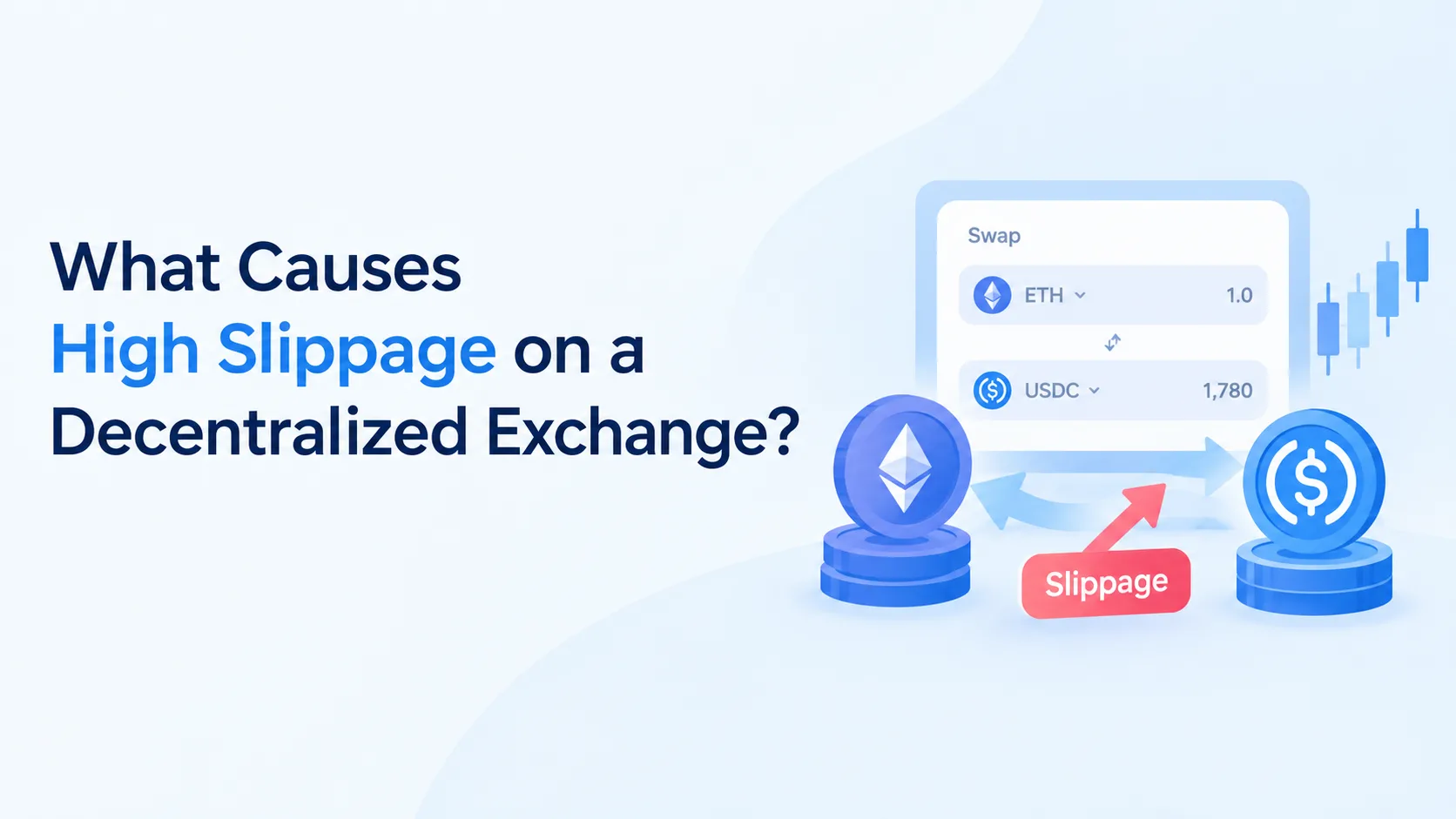
From a development perspective, liquidity management is a key component of Dex Development Solutions. Advanced algorithms help maintain balanced pools and ensure efficient price discovery. Without sufficient liquidity, decentralized exchanges may suffer from high price slippage and limited trading activity.
Cryptographic Security and Wallet Integration
Security is a fundamental aspect of decentralized exchange platforms. Blockchain networks rely on advanced cryptographic techniques to secure transactions and protect user assets.
Public-key cryptography enables users to control their digital assets through private keys stored in cryptocurrency wallets. When a user executes a trade on a Decentralized Exchange, the transaction must be digitally signed with the user’s private key, ensuring that only the asset owner can authorize the transfer.
Decentralized exchanges typically integrate with non-custodial wallets such as browser extensions or mobile wallet applications. This integration allows users to maintain full control over their funds while interacting with the exchange’s smart contracts.
Unlike centralized exchanges, decentralized platforms do not store user funds in centralized accounts. This non-custodial model significantly reduces the risk of large-scale hacks that have historically affected centralized exchanges.
For developers working on Dex Development, implementing secure wallet integration and cryptographic authentication mechanisms is critical for maintaining user trust and platform integrity.
Oracles and Real-Time Data Feeds
While blockchain networks excel at storing and verifying transaction data, they cannot directly access external information such as asset prices or market conditions. To bridge this gap, decentralized exchanges rely on oracles.
Oracles are specialized systems that provide external data to blockchain-based applications. In decentralized exchanges, oracles deliver real-time price feeds that help determine accurate asset valuations.
These price feeds are essential for several functions, including:
- Determining token swap rates
- Preventing price manipulation
- Supporting derivative trading protocols
- Enabling algorithmic trading strategies
Decentralized oracle networks aggregate data from multiple sources to reduce the risk of manipulation or inaccurate reporting.
For companies building advanced Dex Development Solutions, integrating reliable oracle systems is essential for maintaining accurate market pricing and protecting traders from unfair transactions.
Cross-Chain Interoperability Technologies
As the blockchain ecosystem continues to expand, decentralized exchanges must support multiple networks to remain competitive. Cross-chain interoperability technologies enable decentralized exchanges to facilitate transactions across different blockchains.
These technologies allow users to transfer assets between networks or trade tokens from multiple blockchain ecosystems on a single platform. Cross-chain bridges and interoperability protocols help connect otherwise isolated blockchain environments.
Multi-chain functionality significantly enhances the capabilities of a Decentralized finance exchange, enabling access to a broader range of assets and liquidity pools.
However, cross-chain technology introduces additional complexity and security considerations. Many Dex Development Companies are actively researching more secure interoperability solutions to prevent vulnerabilities in bridge infrastructure.
Governance Protocols and Decentralized Decision-Making
Another key technology powering decentralized exchanges is decentralized governance. Many platforms use governance tokens that allow community members to participate in decision-making processes related to the platform’s development and operations.
Token holders can vote on proposals that affect various aspects of the exchange, including fee structures, protocol upgrades, and liquidity incentive programs.
This governance model aligns the interests of platform users with the long-term success of the ecosystem. Instead of relying on centralized management teams, decentralized exchanges evolve through community-driven consensus.
Governance systems are often implemented through specialized smart contracts that facilitate transparent voting and proposal management.
For organizations offering Dex Development Solutions, designing fair and efficient governance mechanisms is essential for fostering community engagement and maintaining decentralized control.
Scalability and Layer-2 Technologies
As decentralized exchanges gain popularity, scalability becomes a major concern. High transaction volumes can lead to network congestion and increased fees on certain blockchains.
To address these challenges, developers are increasingly implementing Layer-2 scaling solutions. These technologies operate on top of existing blockchains and process transactions off-chain before settling them on the main network.
Layer-2 systems significantly improve transaction speed and reduce costs while maintaining the security guarantees of the underlying blockchain.
Examples of scalability solutions include rollups, sidechains, and state channels. By integrating these technologies, decentralized exchanges can support larger trading volumes and deliver a smoother user experience.
A forward-thinking Dex Development Company often integrates scalability frameworks into its platform architecture to ensure long-term performance and sustainability.
The Future of Decentralized Exchange Technologies
The technology powering decentralized exchanges continues to evolve at a rapid pace. Innovations in blockchain scalability, cross-chain interoperability, and decentralized governance are shaping the next generation of DeFi platforms.
Future decentralized exchanges may incorporate artificial intelligence for automated trading optimization, advanced security protocols for protecting smart contracts, and enhanced interoperability frameworks that connect multiple blockchain ecosystems seamlessly.
Additionally, the integration of traditional financial assets into decentralized platforms could further expand the scope of decentralized trading.
Businesses investing in Dex Development today are positioning themselves at the forefront of this technological revolution. By partnering with experienced Dex Development Companies, organizations can build sophisticated decentralized trading platforms capable of supporting the growing demand for decentralized financial services.
Conclusion
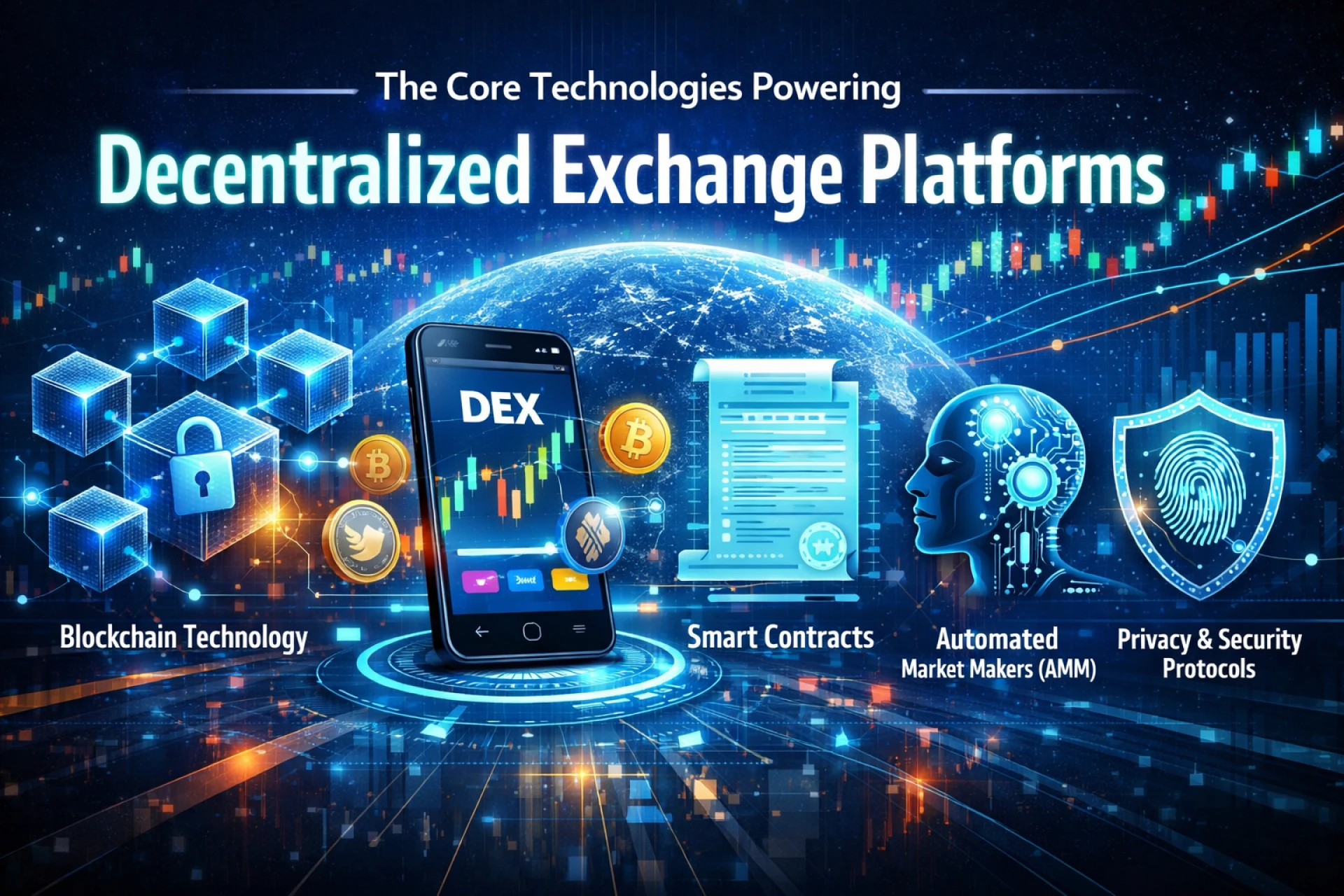
Decentralized exchange platforms represent one of the most transformative innovations within the blockchain industry. By combining blockchain infrastructure, smart contracts, automated market makers, cryptographic security, and advanced liquidity mechanisms, these platforms enable secure and transparent peer-to-peer digital asset trading.
The technologies powering decentralized exchanges are not only reshaping cryptocurrency markets but also redefining the broader financial ecosystem. As these technologies continue to mature, decentralized exchanges are likely to play an increasingly important role in the global financial landscape.
Through comprehensive Dex Development Solutions, businesses and developers can harness these technologies to create innovative trading platforms that embody the core principles of decentralization, transparency, and financial empowerment.