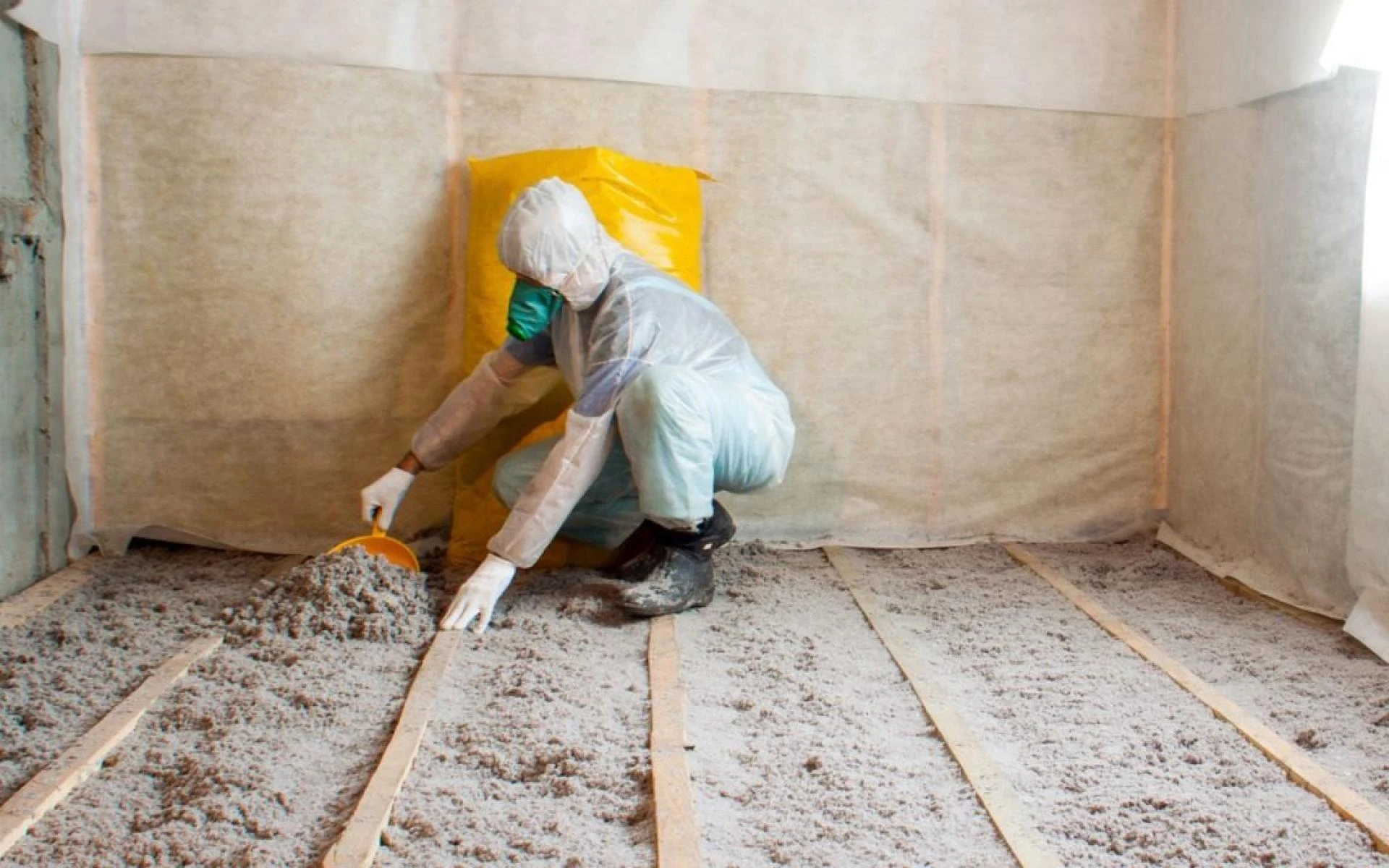
The connection between residential insulation and indoor comfort is direct and powerful. A high-quality insulation system is the primary factor that creates a truly comfortable living environment by effectively separating the home from the extreme conditions of the outdoors. It achieves this by controlling the two main forces that cause a home to feel uncomfortable: heat transfer and air leakage. By creating a robust thermal barrier that stops the flow of heat and a seamless air barrier that eliminates drafts, a professional insulation system allows a home to maintain a stable, consistent, and predictable indoor temperature, which is the very definition of comfort.
For homeowners who are tired of rooms that are always too hot or too cold, or who are constantly fighting with their thermostat, understanding this connection is the first step toward a lasting solution. The information here explains the science behind why homes become uncomfortable and how a modern, professional insulation system provides a permanent fix. The information is based on the practical, hands-on experience of home performance experts who see the transformative effects of these upgrades every day.
The Two Main Reasons Your Home is Uncomfortable
A home that struggles to maintain a consistent temperature is a home that is in a constant battle with the elements. This battle is fought on two main fronts.
1. Unchecked Heat Transfer
Heat is always in motion, trying to move from a warmer area to a cooler one. In the winter, all the expensive heat generated by your furnace is trying to escape through your walls and ceiling. In the summer, the intense heat from the sun is relentlessly pushing its way into your cool, air-conditioned home.
An insulation's ability to slow down this movement is measured by its R-value. The higher the R-value, the more effective it is at resisting heat flow. A home with a low R-value is like wearing a light jacket in a snowstorm; it is simply not enough to keep you warm and comfortable.
2. Uncontrolled Air Leakage
While R-value is important, an even bigger problem in most homes is air leakage. The average house has enough hidden gaps and cracks to be equivalent to leaving a window open 24/7.
These leaks are the source of drafts, cold spots, and uneven temperatures. Hot, humid air pouring in during the summer makes some rooms feel sticky and warm, while cold winter air seeping in around windows and outlets makes other areas feel chilly. Traditional insulation, like fiberglass batts, does not stop this air movement. Air can pass right through it, making the insulation much less effective.
How a Professional System Creates a Comfortable Home
A modern, professional insulation system is designed to create an integrated barrier that effectively controls both heat transfer and air leakage.
Creating a Continuous Thermal Barrier
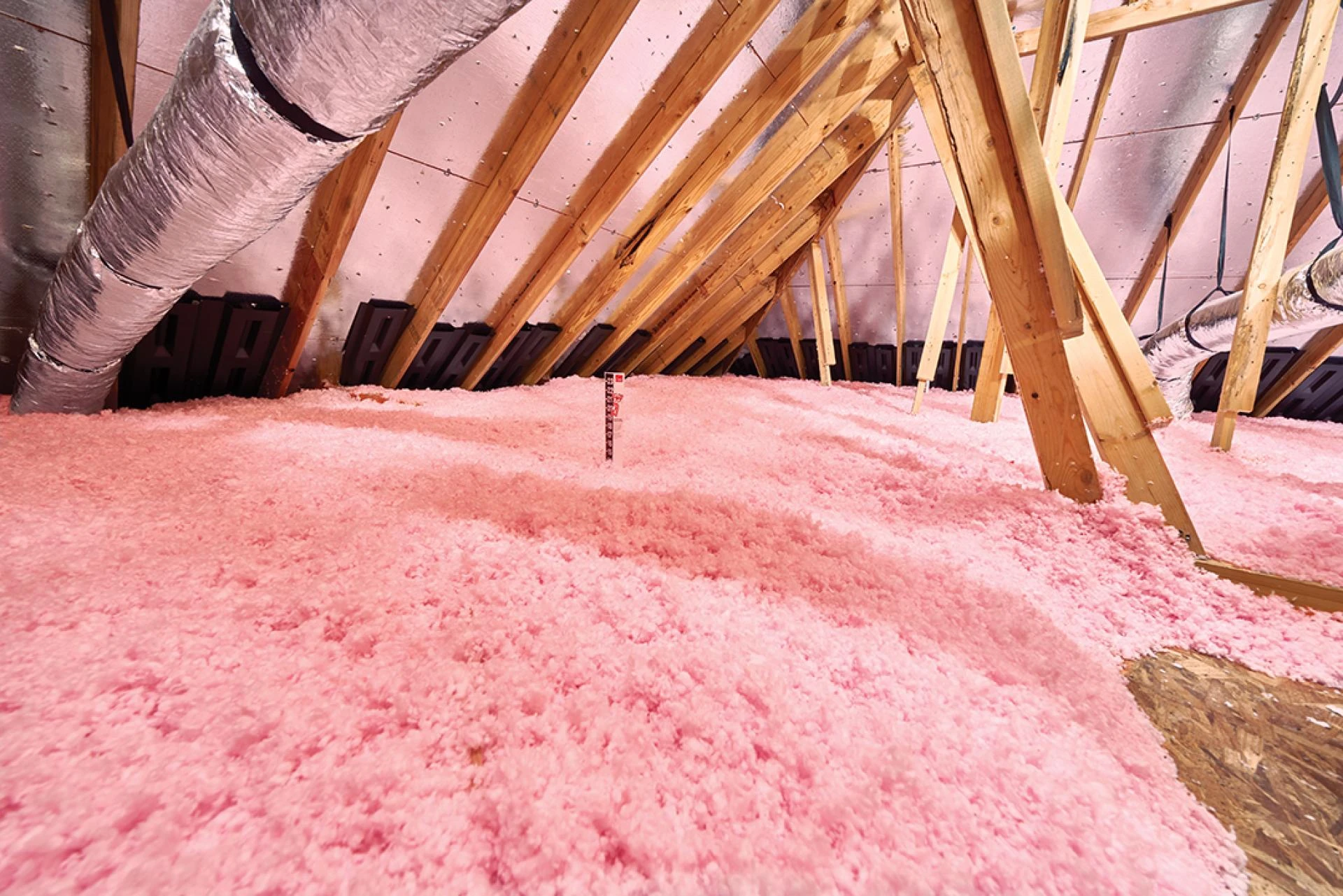
A professional installation ensures that the insulation material forms an unbroken layer of protection. When installing batts, for example, a skilled technician will meticulously cut and fit the material around every pipe, wire, and electrical box to eliminate gaps. When using a blown-in material in an attic, they will ensure it is installed to a uniform depth, creating a seamless blanket. This attention to detail ensures that every part of the home is protected to the same high standard.
The Power of a Complete Air Seal
This is the element that truly transforms a home’s comfort. Modern building science has proven that stopping uncontrolled air movement is the key to creating a stable indoor environment. This is where materials like spray foam insulation excel. Because it is applied as a liquid, it expands to fill every single crack and seam, creating a perfect air barrier.
By stopping the air leakage, you eliminate drafts and hot and cold spots at their source. You also keep the conditioned air you have paid for inside the house, allowing your HVAC system to easily maintain the temperature you have set on your thermostat.
Bonus Tip: A major source of discomfort in many homes is the room located over a garage. The garage is an unconditioned space, and if the floor of the room above it is not properly insulated and air-sealed, it will be exposed to extreme temperatures. A professional can often solve this common problem by applying spray foam to the underside of the floor.
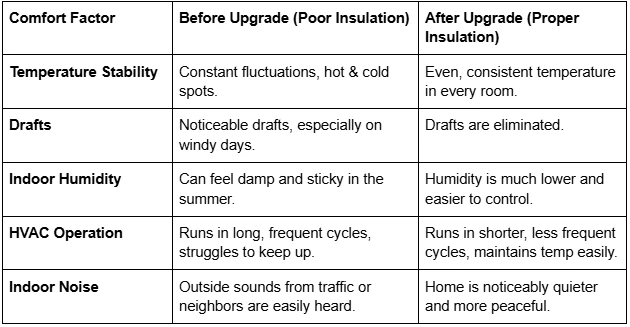
The following table illustrates how a professional insulation upgrade can change the feel of a home:
Things to Consider for a More Comfortable Home
Achieving consistent, year-round comfort is about treating your house as a complete, interconnected system.
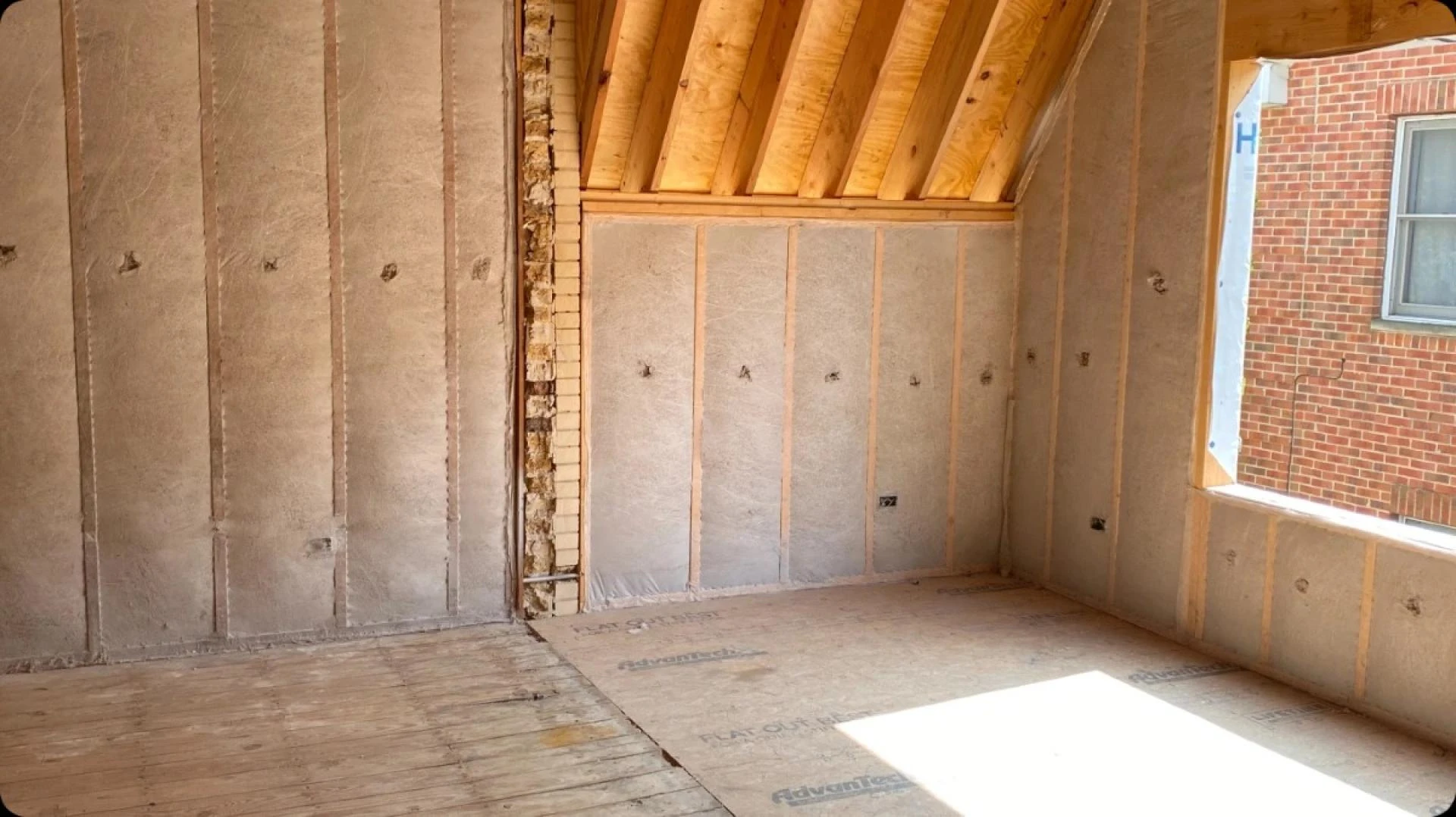
- Prioritize the Attic: For most homes, the attic is the single biggest source of comfort problems. A professional attic insulation upgrade is almost always the most impactful place to start.
- A Whole-Home Approach: The attic, the walls, and the crawl space or foundation all work together as the "building envelope." A professional contractor can help you identify the weakest points in this envelope and create a prioritized plan for improvement.
- The Importance of Professional Installation: The performance of any insulation material is only as good as its installation. It is a job that requires skill, attention to detail, and a solid understanding of how heat and air move.
Bonus Tip: The attic access hatch or pull-down stairs is a very common weak point in a home's thermal envelope. Even in an otherwise well-insulated attic, an unsealed and uninsulated hatch acts like a massive hole in your ceiling. A professional will always ensure the hatch is properly insulated and weather-stripped.
Questions People Ask About Home Comfort
Why are some rooms in my house always hotter or colder than others?
This is almost always due to a combination of poor insulation and air leakage in the walls or ceiling of that specific room. It is also common in rooms that are located over uninsulated spaces like a garage or a porch.
Will new windows solve my comfort problems?
While old, leaky windows can be a source of discomfort, they are usually a much smaller part of the problem than a poorly insulated attic or leaky walls. In most cases, you will get a much bigger improvement in comfort and energy savings by investing in air sealing and insulation first.
How can I tell if my home is leaky?
You can often feel the most obvious leaks as drafts around windows, doors, and electrical outlets on a windy day. Another sign is a home that feels dusty all the time. For a more scientific answer, a professional energy audit with a blower door test can measure your home’s exact air leakage rate.
Will this help with my allergies?
Yes, it can. By sealing the air leaks, you are also stopping the infiltration of outdoor allergens like pollen and dust. This can lead to a noticeable improvement in indoor air quality.
Is this a good investment if I plan to sell my home soon?
Yes. A home that is demonstrably more comfortable and has a history of lower energy bills is a more valuable and attractive asset on the real estate market.
Final Thoughts on Achieving True Comfort
A home that is comfortable all year long is not an accident; it is the result of a well-designed and professionally installed insulation system. It is about creating a complete barrier that allows your home to work with your HVAC system, not against it. By controlling both heat transfer and air leakage, you can finally put an end to the constant battle with the thermostat and enjoy a stable, pleasant temperature in every room of your house, in every season of the year.
Get a Professional Home Comfort Assessment
If you are ready to solve your home's comfort problems for good, the first step is a professional evaluation. An experienced insulation contractor can diagnose the root causes of your discomfort and create a customized plan to fix them. For homeowners looking for an expert assessment, the team at Prestige Insulation Solutions offers comprehensive consultations. They can be reached by email at [email protected] or by phone at (850) 429-4969.
Author Rene Zamarripa, a spray foam installer and owner, began his career in the insulation industry in 2008 with Key Insulation in San Antonio. With 17 years of hands-on experience, he now owns a successful insulation company with aspirations to franchise. He is knowledgeable in R-values, insulation processes, and the various components used in both residential and commercial applications, and he has experience identifying the right insulation solutions for different structures, including spray foam, fiberglass, and cellulose. Trained in operating spray foam rigs, managing settings, and following safety standards, he understands the technical and practical skills required to deliver consistent, high-quality insulation and guide others in the trade.
Reviewer Benjamin Lee, who has over 13 years of experience in spray foam insulation, reviewed this content and offered feedback aimed at helping growing businesses connect with local homeowners and commercial clients more effectively.