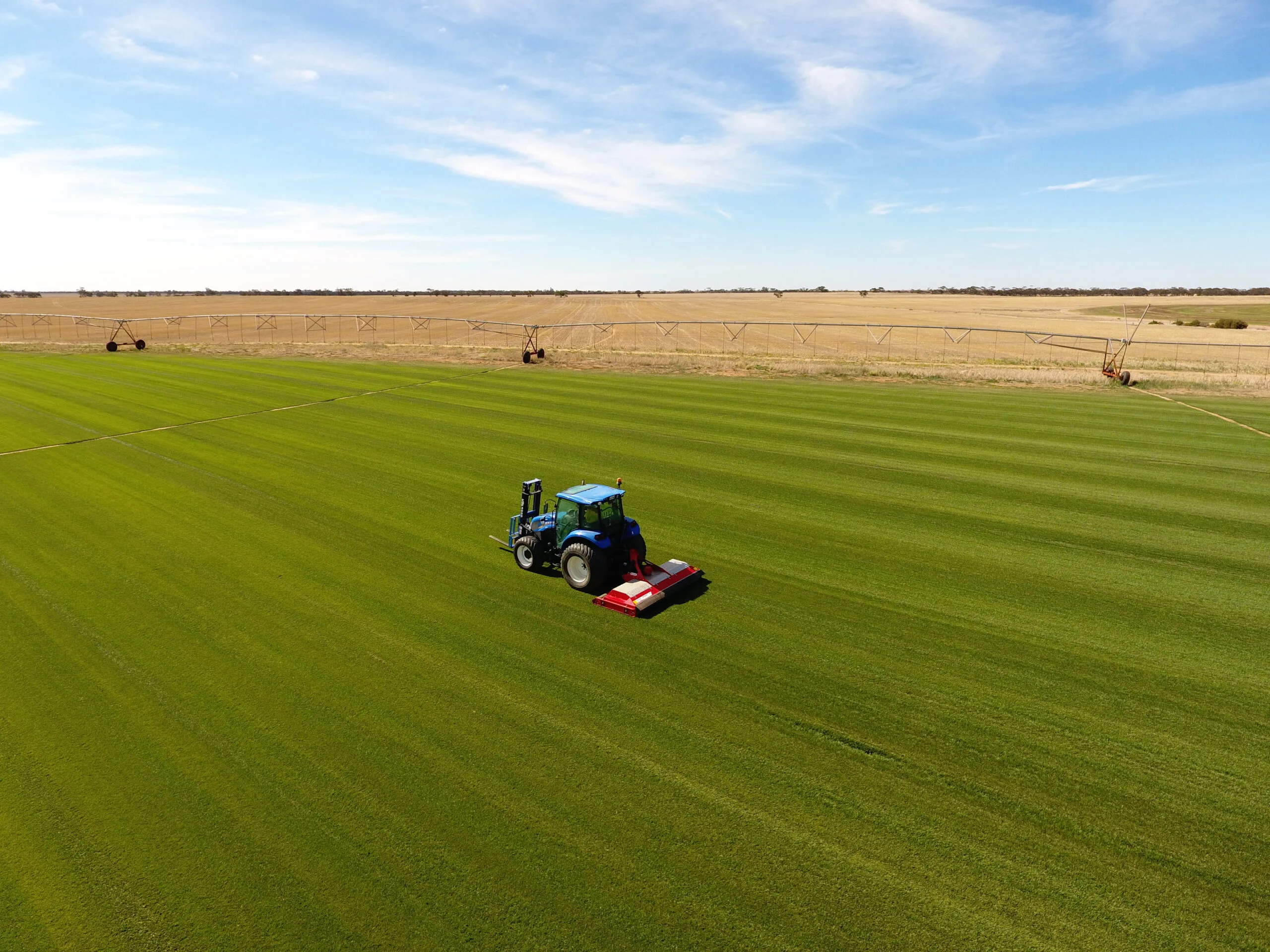
Tall Fescue has become a popular choice for lawns due to its durability, adaptability, and year-round appeal. Whether you’re establishing a new lawn or improving an existing one, understanding how to grow, water, and maintain Tall Fescue will help you enjoy a vibrant outdoor space in every season.
What Is Tall Fescue?
Tall Fescue is a cool-season grass known for its deep root system and resilience. Unlike other turf varieties, it can tolerate heat, drought, and moderate foot traffic, making it ideal for homeowners seeking a low-maintenance yet attractive lawn. Its coarse texture and rich green color provide a natural, full appearance that enhances curb appeal.
One of the standout features of Tall Fescue is its adaptability. It thrives in a variety of soil types and climates, particularly in regions with hot summers and mild winters. This versatility makes it a reliable option for many homeowners.
Growing Tall Fescue Successfully
Establishing a healthy Tall Fescue lawn starts with proper planting techniques. The best time to plant Tall Fescue is during early fall or spring when temperatures are moderate. These conditions allow the grass to develop strong roots before facing extreme heat or cold.
Begin by preparing the soil. Remove debris, weeds, and rocks, then loosen the topsoil to improve aeration. Adding organic matter or compost can enhance soil fertility and drainage. Once the soil is ready, spread Tall Fescue seeds evenly across the area and lightly rake them into the soil.
Watering immediately after seeding is essential to initiate germination. Keep the soil consistently moist until the grass establishes, which typically takes about 10 to 14 days. Avoid overwatering, as it can lead to fungal issues or weak root development.
Watering Practices for a Healthy Lawn
Proper watering is key to maintaining a lush Tall Fescue lawn. Thanks to its deep root system, Tall Fescue is more drought-tolerant than many other grass types. However, it still requires consistent hydration to stay green and healthy.
A general rule is to provide about 1 to 1.5 inches of water per week, either from rainfall or irrigation. It’s best to water deeply and infrequently rather than shallow and often. Deep watering encourages roots to grow deeper into the soil, improving the grass’s resilience during dry periods.
Early morning is the ideal time to water your lawn. This allows moisture to soak into the soil before the heat of the day causes evaporation. Watering in the evening should be avoided, as prolonged moisture on the grass blades can promote disease.
Mowing and Maintenance Tips
Regular mowing is essential for keeping Tall Fescue looking neat and healthy. Maintain a mowing height of around 2.5 to 4 inches. Taller grass blades provide shade to the soil, helping retain moisture and prevent weed growth.
Avoid cutting more than one-third of the grass height at a time. Cutting too short can stress the grass and weaken its root system. Keeping mower blades sharp ensures clean cuts and reduces the risk of disease.
Fertilization is another important aspect of lawn care. Apply a balanced fertilizer in the fall and spring to support growth and maintain color. Avoid excessive fertilization during summer, as it can stress the grass during high temperatures.
Dealing with Weeds and Pests
Tall Fescue naturally resists many common lawn problems, but weeds and pests can still occur. Maintaining a thick, healthy lawn is the best defense against weeds, as it prevents them from taking root.
If weeds do appear, consider using targeted herbicides or manual removal. Regular mowing and proper watering also help minimize weed growth.
Pests such as grubs can damage the root system, leading to brown patches. Monitoring your lawn and addressing issues early can prevent widespread damage. In severe cases, professional treatment may be necessary.
Seasonal Care for Year-Round Beauty
To keep your Tall Fescue lawn looking its best throughout the year, adjust your care routine with the seasons. In spring, focus on fertilization and weed control. Summer requires careful watering and minimal stress to the grass.
Fall is the most important season for Tall Fescue care. This is the ideal time for overseeding, fertilizing, and repairing damaged areas. The cooler temperatures promote strong root growth, setting the foundation for a healthy lawn.
During winter, Tall Fescue may slow its growth but typically remains green in milder climates. Reduce foot traffic on the lawn to prevent damage, especially during frost.
Why Choose Tall Fescue?
Homeowners choose Tall Fescue for its balance of beauty and practicality. Its ability to withstand varying conditions, combined with relatively low maintenance requirements, makes it a smart investment for any landscape.
With proper care, Tall Fescue provides a dense, vibrant lawn that enhances outdoor living spaces. From family gatherings to quiet relaxation, a well-maintained lawn creates an inviting environment for every occasion.
Final Thoughts
Creating a lush, green lawn doesn’t have to be complicated. By choosing Tall Fescue and following the right growing, watering, and maintenance practices, you can enjoy a healthy lawn all year round. With a little effort and consistency, your outdoor space can become a beautiful extension of your home—one that stays green, resilient, and welcoming in every season.