A properly functioning sewer line is essential for maintaining a clean, safe, and efficient plumbing system. When problems arise, they can quickly escalate into costly repairs and serious property damage. Understanding sewer line repair, their causes, and available repair options can help homeowners and property managers act quickly and make informed decisions.
What Is a Sewer Line and Why It Matters
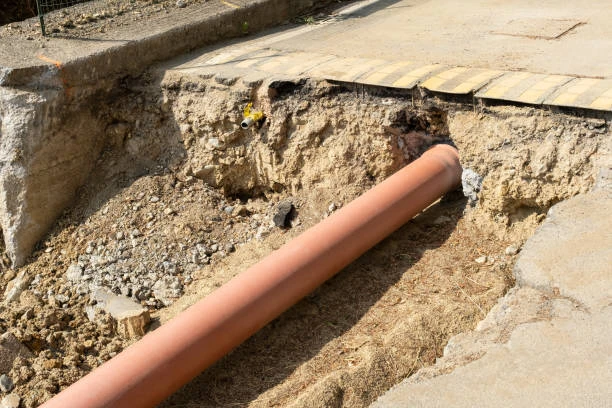
The sewer line is the main pipeline that carries wastewater from your home to the municipal sewer system or septic tank. It handles everything from sinks and showers to toilets and appliances. When this line becomes damaged or blocked, it can disrupt your entire plumbing system.
Common Signs of Sewer Line Problems
Identifying early warning signs can prevent major damage and expensive repairs. Here are the most common indicators:
- Slow Drains: Multiple drains in your home emptying slowly may signal a blockage in the main sewer line.
- Sewage Backups: Wastewater backing up into sinks, tubs, or toilets is a serious red flag.
- Unpleasant Odors: Foul smells around drains or your yard often indicate sewer line leaks.
- Lush Patches in Yard: Extra-green or soggy areas can be caused by leaking sewage acting as fertilizer.
- Gurgling Sounds: Strange noises from pipes or toilets may point to trapped air caused by blockages.
What Causes Sewer Line Damage?
Several factors can lead to sewer line issues, including:
- Tree Root Intrusion: Roots naturally seek moisture and can infiltrate small cracks in pipes.
- Pipe Corrosion: Older pipes made from clay or metal can deteriorate over time.
- Clogs and Blockages: Grease, debris, and non-flushable items can build up and restrict flow.
- Ground Shifting: Soil movement, construction, or heavy traffic can damage underground pipes.
- Aging Infrastructure: Older homes often have outdated sewer systems prone to failure.
Sewer Line Repair Methods
Modern plumbing technology offers several repair solutions depending on the severity of the issue:
1. Traditional Excavation
This method involves digging up the damaged pipe and replacing it. While effective, it can be disruptive and time-consuming.
2. Trenchless Sewer Repair
A less invasive option that includes techniques like pipe lining and pipe bursting:
- Pipe Lining (CIPP): A resin-coated liner is inserted and hardened inside the existing pipe.
- Pipe Bursting: The old pipe is broken apart while a new one is pulled into place.
3. Hydro Jetting
Used primarily for clearing stubborn blockages, this method uses high-pressure water to remove debris and buildup.
Benefits of Professional Sewer Line Repair
Hiring experienced plumbing professionals ensures:
- Accurate diagnosis using advanced tools like video inspection
- Long-lasting repair solutions
- Compliance with local codes and safety standards
- Reduced risk of recurring issues
Preventing Sewer Line Problems
Preventive maintenance can save you from costly repairs. Follow these tips:
- Avoid flushing non-biodegradable items
- Dispose of grease and oils properly
- Schedule regular plumbing inspections
- Install root barriers if trees are nearby
- Address minor issues before they worsen
Final Thoughts
Sewer line problems are not just inconvenient—they can lead to serious structural and health concerns if ignored. By recognizing early signs, understanding repair options, and investing in regular maintenance, you can protect your property and ensure your plumbing system operates efficiently for years to come.
If you suspect a sewer line issue, acting quickly and consulting a professional plumber is the best way to minimize damage and restore your system.