Moapa Valley homes face intense desert heat that forces cooling systems to work overtime during long summer months. This attic insulation guide in Moapa Valley, NV, provides a direct solution to lowering high utility bills and maintaining indoor comfort by upgrading your attic thermal barrier. By sealing gaps and installing materials with proper thermal resistance, you prevent heat from radiating downward into your living spaces.
This comprehensive guide outlines the exact steps, materials, and local climate factors you need to consider. Decades of combined industry experience in desert climates show that a properly insulated attic can cut cooling costs significantly. This guide details how you can optimize your home for the Nevada heat.
Why Extreme Desert Heat Impacts Your Attic Space
In Moapa Valley, summer temperatures frequently exceed 110 degrees Fahrenheit, which can push attic temperatures above 140 degrees. This extreme heat pool sits directly above your ceiling, constantly pushing warmth into your air-conditioned rooms. Without a proper thermal barrier, your air conditioner must run continuously to keep up.
Local conditions require specific actions to maintain a cool home:
- Attic temperatures can reach 140 to 150 degrees Fahrenheit during peak Nevada summer days.
- Cooling costs typically make up over 50 percent of summer utility bills in the Mojave Desert region.
- Proper insulation blocks up to 90 percent of radiant heat transfer from the roof deck.
Bonus Tip: Always pair high-performance insulation with adequate attic ventilation to allow trapped heat to escape naturally.
Evaluating the Best Materials for Desert Home Insulation
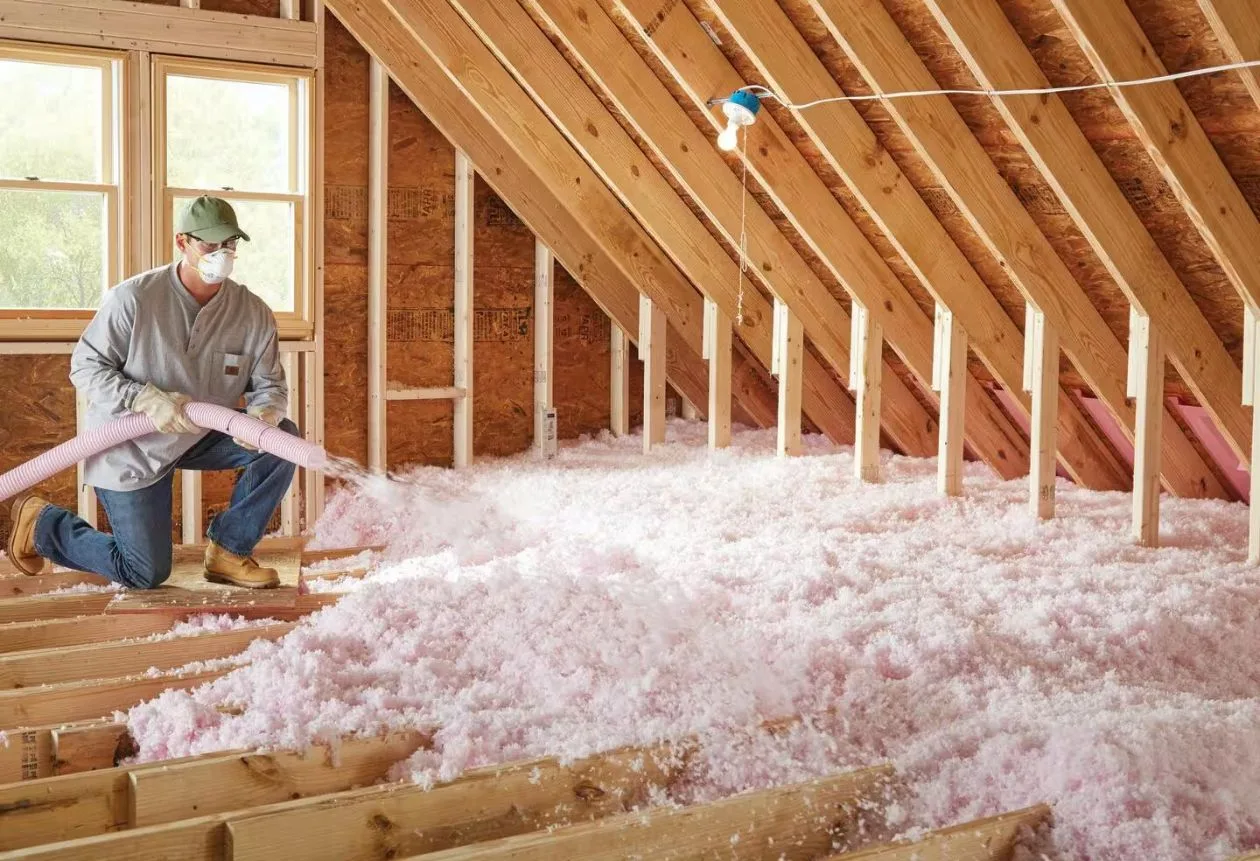
Selecting the right material determines how well your home resists heat transfer. Different materials offer various levels of thermal resistance, known as R-value per inch. For desert environments, you want materials that do not degrade under sustained high temperatures.
Using this attic insulation guide Moapa Valley NV helps homeowners understand that local codes generally recommend an R-38 to R-60 rating for attic floors. Here is how the most common materials compare for desert properties.
Thermal Performance and Lifespan of Attic Materials
Material TypeR-Value per InchAverage LifespanPrimary Benefit in Hot ClimatesSpray Foam (Closed Cell)R-6.5 to R-7.050+ YearsExceptional air sealing and moisture barrierSpray Foam (Open Cell)R-3.5 to R-3.850+ YearsCost-effective coverage with great sound dampeningLoose-Fill CelluloseR-3.2 to R-3.820 to 30 YearsGood coverage in tight corners and joist gapsFiberglass BattsR-3.1 to R-4.315 to 25 YearsEasy to install but prone to air gaps
Consider these specific benefits of each option:
- Spray foam seals tiny cracks that traditional batts miss, stopping hot air leaks.
- Loose-fill cellulose is treated with fire retardants, adding safety to your structure.
- Fiberglass remains a common choice for budget-conscious upgrades but requires perfect placement.
Important Factors to Review Before Upgrading Your Home
Reviewing this comprehensive attic insulation guide Moapa Valley NV highlights the factors you must assess before hiring any crew. Failing to evaluate these points beforehand can lead to wasted money and poor thermal performance.
- Current Insulation Levels: Measure the depth of your existing materials to see if you simply need a top-off or a complete removal.
- Air Leakage Points: Look for wire penetrations, light fixtures, and plumbing stacks that let hot air bypass your insulation.
- Roof Integrity: Ensure there are no active roof leaks, as moisture ruins the thermal properties of cellulose and fiberglass.
- Budget vs Longevity: Consider whether you want a lower upfront cost or a permanent solution like spray foam that lasts the lifetime of the home.
This is where consulting a professional insulation contractor is highly beneficial. They can perform an energy audit to show you exactly where your home is losing cooled air. Utilizing certified residential insulation services ensures the job meets local building codes and safety standards.

Why Professional Residential Insulation Services Matter
While some home projects work well as weekend tasks, insulating an attic requires specialized equipment and safety gear. Dust, extreme heat, and cramped spaces make this work difficult and potentially dangerous for homeowners.
By hiring professionals for attic insulation services, you protect your home from common DIY mistakes. Expert installers know how to avoid covering attic vents, which can trap moisture and cause wood rot.
Professional installation brings several clear advantages:
- Technicians use specialized thermal cameras to find hidden gaps in your attic floor.
- Specialty vacuum equipment removes old, contaminated insulation quickly and cleanly.
- Teams ensure compliance with Moapa Valley building codes regarding fire barriers.
Using a localized home insulation guide helps you identify the specific challenges of your climate zone. This knowledge ensures you do not overspend on materials that do not perform well in dry heat. Working with an experienced expert in Moapa Valley insulation guarantees your thermal barrier stands up to the local weather.
Bonus Tip: Ask your installer to seal the attic hatch or pull-down stairs, as this single area is often a major source of hot air leaks.
Long-Term Financial Benefits of Energy-Efficient Insulation
Investing in high-quality materials provides immediate returns on your utility bills. When you install energy efficient insulation, you reduce the workload on your air conditioning compressor. This protection extends the life of your expensive HVAC equipment.
Consider how these savings accumulate over time:
- Homeowners often see a 15 to 20 percent reduction in monthly cooling costs.
- Reduced HVAC run times mean fewer mechanical breakdowns and lower repair bills.
- Upgraded homes often hold higher resale values due to documented lower utility costs.
Referencing this attic insulation guide Moapa Valley NV is the first step toward reclaiming control over your indoor climate. A well-insulated home stays cooler longer, even during rolling blackouts or peak heatwaves.
Choosing Your Next Steps for a Cooler Home
Upgrading your attic thermal barrier is one of the most effective ways to combat desert heat and lower your power bills. To achieve the best results, evaluate your current attic depth, identify air leaks, and select materials designed for high temperatures.
Following this trusted attic insulation guide, Moapa Valley, NV, helps you make smart decisions for your property:
- Take the time to assess your budget.
- Check your roof structure for any damage.
- Consult with local specialists to find the right approach for your home.
Get Your Free Attic Evaluation and Direct Quote Today
If you are ready to lower your utility bills and improve indoor comfort, reaching out to local experts is the next logical step. The team at Supreme Spray Foam LV provides professional residential and commercial services tailored to desert climates. You can contact them directly at (702) 904-9895 or via email at [email protected] to schedule your assessment.
What Are the Common Questions About Moapa Valley Insulation
What is the recommended R value for attics in southern Nevada?
The Department of Energy recommends an R-38 to R-60 rating for attics in hot, dry climates. This level of thermal resistance keeps extreme summer heat from radiating into your living spaces.
Can you lay new insulation directly over old material?
Yes, you can add new material over old insulation if the existing material is dry and free of mold. If the old material is wet, compressed, or contaminated by pests, you must remove it first.
How long does spray foam insulation last in desert conditions?
High-quality spray foam lasts the lifetime of your home, often exceeding 50 years. It does not sag, settle, or lose its R-value over time like traditional fiberglass batts.
Will sealing my attic cause air quality issues in my home?
Proper insulation projects always maintain balanced ventilation to prevent moisture build-up. Sealing attic floor leaks actually improves indoor air quality by blocking outdoor dust, pollen, and pests.
How do you know if your current attic insulation is insufficient?
If your air conditioner runs constantly, your second floor is hot, or you can see your ceiling joists, you need more material. A depth of less than ten inches usually indicates a need for an upgrade.