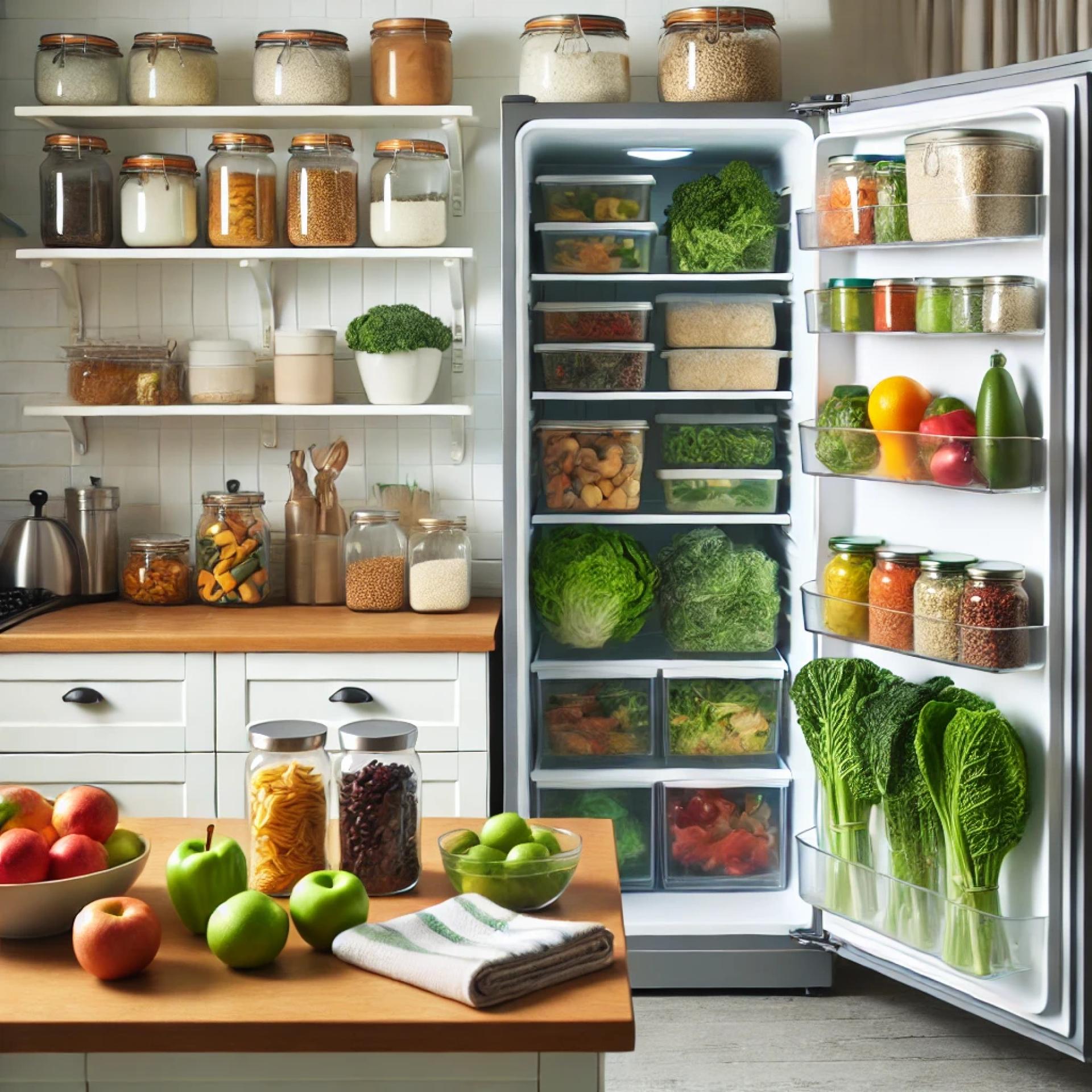
Food waste is a major problem worldwide. However, if you store food properly, you can extend its freshness and reduce waste. In this blog post, we will explore the best ways to store food to keep it fresh for longer.
How to Store Fresh Food Properly
Storing fresh food correctly helps maintain its quality. Here are some simple methods to ensure freshness:
Store Fruits and Vegetables Separately
Fruits release ethylene gas, which can cause vegetables to spoil quickly. Therefore, always store fruits and vegetables in separate sections of your fridge.
Keep Leafy Greens in a Damp Towel
To prevent leafy greens from wilting, wrap them in a damp towel and store them in a breathable bag. This helps retain moisture while preventing excess water buildup.
Use Airtight Containers for Leftovers
Leftover food should always be stored in airtight containers. This prevents air exposure and slows down the spoilage process. Plus, airtight containers help retain flavor and prevent odors from mixing.
Freeze Extra Food to Extend Shelf Life
If you have extra food, consider freezing it. Freezing preserves food for months and prevents unnecessary waste. Always label frozen items with the date for easy tracking.
Best Ways to Store Dry Food Items
Dry food also requires proper storage to maintain its quality. Here are some useful tips:
Use Glass Jars for Dry Goods
Store dry food such as rice, pasta, and flour in glass jars. This keeps them fresh, protects them from moisture, and prevents pest infestations.
Keep Spices in a Cool, Dark Place
Spices lose their flavor when exposed to heat and sunlight. To maintain their freshness, store them in a cool, dark cabinet away from the stove.
Store Bread at Room Temperature
Bread stays fresh longer when kept at room temperature in a bread box. However, if you cannot finish it within a few days, freezing is the best option.
Tips for Storing Dairy and Meat Products
Dairy and meat products spoil quickly if not stored correctly. Here’s how to keep them fresh:
Keep Dairy Products in the Coldest Part of the Fridge
Dairy products, such as milk and cheese, should be placed in the coldest part of the fridge. Avoid storing them in the fridge door because the temperature fluctuates.
Store Meat in the Bottom Shelf
Raw meat should always be stored on the bottom shelf of the fridge. This prevents any juices from dripping onto other food items and causing contamination.
Use Vacuum Sealing for Long-Term Storage
Vacuum sealing is an excellent way to store meat for long periods. It removes air and prevents freezer burn, keeping the meat fresh for months.
Reduce Waste with Smart Food Storage Practices
Reducing food waste is easy when you follow smart storage practices. Here are some additional tips:
Label Everything with Dates
Always label food with the date before storing it. This helps you track expiration dates and use older items first.
Store Leftovers in Clear Containers
Using clear containers allows you to see what food you have, preventing items from being forgotten and wasted.
Use the FIFO Method (First In, First Out)
Arrange food so that older items are in the front and newer ones are in the back. This ensures that nothing gets left behind and wasted.
Conclusion
Proper food storage is essential to prevent waste and keep your food fresh. By following these storage methods, you can reduce waste and save money. Start using these tips today and enjoy fresher, longer-lasting food!