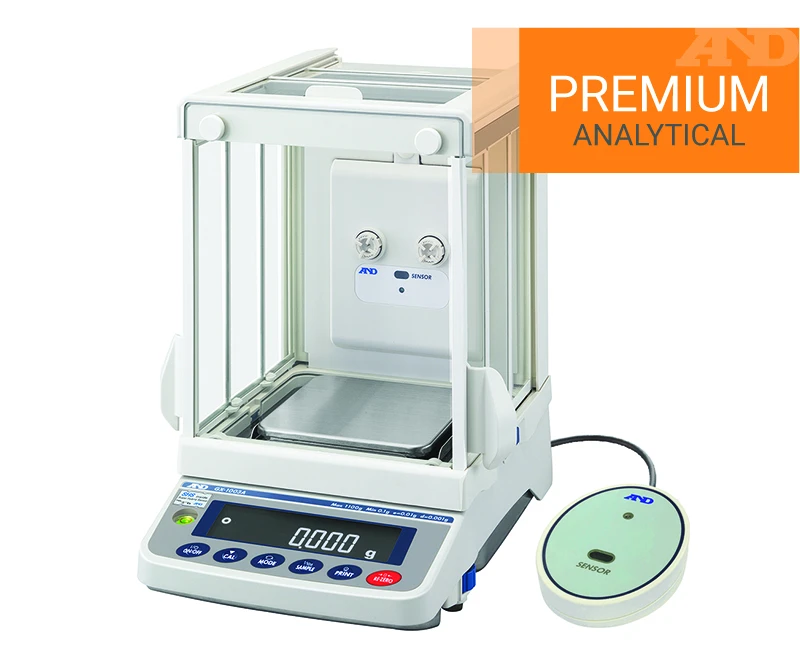
Scientific research often extends far beyond the walls of a traditional laboratory. Ecologists study plants in remote forests, geologists analyze soil on rugged terrain, and archaeologists weigh artifacts at excavation sites. In all of these cases, accuracy in measurement is vital—but carrying bulky, sensitive lab equipment into the field has historically been impractical. That’s where portable laboratory scales make a significant difference.
Compact, reliable, and precise, portable scale bridge the gap between fieldwork and laboratory analysis. Let’s explore the many benefits these tools bring to field research across disciplines.
1. Portability Without Compromising Accuracy
One of the biggest advantages of portable laboratory scales is their lightweight and compact design. Unlike traditional benchtop balances, which are large and fragile, portable models are designed to be carried into the field without risk of damage. Many are small enough to fit in a backpack, yet provide precision to within a few milligrams.
Researchers no longer need to collect samples and transport them back to the lab for basic weighing. Instead, they can perform immediate measurements onsite, streamlining workflows and reducing the risk of sample degradation.
2. Immediate Data Collection in the Field
In research, time is often critical. Soil moisture levels, plant matter weights, or chemical sample masses can change during transport due to evaporation, contamination, or decomposition. Portable scales allow scientists to capture accurate measurements at the moment of collection, ensuring data integrity.
For example:
- A biologist studying insect populations can weigh specimens before preservation fluids alter their mass.
- A chemist analyzing groundwater samples can weigh reagents on-site to prepare solutions in real time.
- An archaeologist can measure artifact fragments as they are uncovered, maintaining accurate field records.
3. Enhanced Efficiency and Productivity
By reducing the need to transport every sample back to a lab for weighing, portable laboratory scales save time and resources. Field teams can make informed decisions immediately, such as whether additional sampling is necessary or whether conditions meet specific experimental requirements.
This efficiency translates into cost savings as well. Fewer trips back to a lab mean lower transport expenses, reduced use of consumables, and optimized manpower allocation. Researchers can focus more on observation and analysis rather than logistics.
4. Durability for Harsh Environments
Portable laboratory scales are specifically engineered for rugged fieldwork. Many models feature:
- Shock-resistant housings to withstand bumps and drops.
- Sealed keypads and spill-resistant designs to protect against dust, dirt, and moisture.
- Temperature compensation mechanisms to maintain accuracy even in fluctuating outdoor conditions.
This durability makes them suitable for challenging environments like deserts, rainforests, mountains, or excavation sites. Unlike delicate lab-only balances, portable scales are built to travel anywhere science demands.
5. Battery Operation and Energy Efficiency
Field research often takes place far from electrical outlets. Portable laboratory scales solve this problem with battery-powered operation, often supported by rechargeable options or even solar charging in advanced models.
Some scales can run for tens of hours on a single charge, and automatic shut-off features conserve energy. This independence from mains power ensures that researchers can rely on accurate weighing, no matter how remote the location.
6. Versatility Across Research Applications
Portable scales are not just for one type of research—they support a wide range of scientific disciplines:
- Environmental Science: Measuring soil, plant material, or water samples directly in the field.
- Geology: Weighing rock fragments or mineral samples for immediate classification.
- Biology: Recording animal or insect mass to assess population health or growth.
- Agriculture: Checking seed weight, fertilizer samples, or crop yields onsite.
- Archaeology: Weighing fragile artifacts during excavation without moving them unnecessarily.
This versatility makes portable laboratory scales a multi-purpose tool, reducing the need for multiple weighing instruments across projects.
7. Digital Integration and Data Logging
Modern portable scales often come equipped with USB ports, Bluetooth, or wireless connectivity, allowing researchers to transmit data directly to laptops, tablets, or smartphones. Some models also feature built-in memory storage to log measurements.
This integration supports more efficient data management, reducing human error in manual transcription and ensuring that weighing results can be incorporated immediately into field reports or shared with remote teams.
8. Improved Accuracy in Decision-Making
Accurate weighing in the field allows researchers to make better real-time decisions. Instead of relying on estimates or waiting until samples reach a laboratory, they can determine:
- Whether a sample meets required criteria.
- If further testing or sampling is necessary.
- How to adjust field protocols based on immediate results.
For example, an ecologist monitoring soil contamination can measure pollutants onsite and decide instantly whether remediation measures are needed. This agility can be critical in both research and environmental management.
9. Compliance and Standardization in Field Research
Many research projects must adhere to strict regulatory and quality standards. Portable laboratory scales designed for scientific use meet calibration and certification requirements, ensuring results are consistent with laboratory-grade equipment.
This reliability is particularly valuable in industries such as pharmaceuticals, food safety, and environmental monitoring, where field measurements must hold up under regulatory scrutiny. With portable scales, compliance doesn’t stop at the lab—it extends into the field.
10. Cost-Effective Research Solutions
Investing in portable laboratory scales can reduce overall research costs by:
- Minimizing sample loss during transport.
- Cutting down on repeat trips between lab and field.
- Reducing reliance on multiple sets of instruments.
For research teams with limited budgets, this cost-effectiveness makes portable scales an attractive investment that enhances both productivity and accuracy.
11. Case Study Examples
- Ecology Research: Teams studying endangered plant species often weigh seeds in the field to assess viability and compare populations. Using portable scales prevents sample loss and speeds up reporting.
- Mining Exploration: Geologists weigh ore samples on-site to decide whether further drilling or sampling is warranted, saving time and resources.
- Agriculture Trials: Portable scales help farmers and researchers weigh crop samples immediately after harvest, avoiding weight changes due to drying or spoilage.
These examples demonstrate how portable scales add measurable value across disciplines.
Choosing the Right Portable Laboratory Scale
When selecting a portable laboratory scale, researchers should consider:
- Capacity and precision needs: Match the scale to the size and sensitivity of samples.
- Durability: Ensure it is rugged enough for your field environment.
- Power options: Choose battery, rechargeable, or solar models depending on conditions.
- Data connectivity: Look for models that support your data recording needs.
- Ease of calibration: Regular calibration ensures ongoing accuracy, so user-friendly systems are a plus.
Brands like A&D offer models tailored to fieldwork, balancing portability with scientific-grade performance.
Conclusion
Portable laboratory scales have transformed field research by bringing laboratory-grade precision into the most remote and demanding environments. They enhance accuracy, efficiency, durability, and data integrity, enabling researchers to collect high-quality results without compromising on convenience.
For ecologists, geologists, archaeologists, agricultural scientists, and countless other professionals, these scales are not just tools—they are enablers of better science. By eliminating the gap between sample collection and measurement, portable laboratory scales ensure that field research is as accurate, efficient, and reliable as work conducted in a traditional lab.
In a world where fieldwork increasingly informs critical decisions—from environmental conservation to resource management—the benefits of portable laboratory scales are undeniable. They represent the perfect marriage of mobility and precision, helping researchers capture the truth of the field in real time.