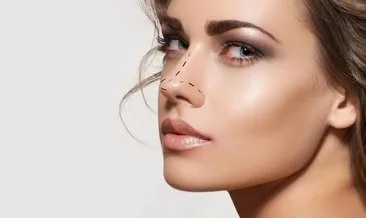
Rhinoplasty(عملية تجميل الأنف في الرياض), commonly known as a nose job, is both an art and science. Over the years, advances in technology and surgical skills have transformed what was once a simple cosmetic procedure into a highly precise and personalized surgery. Modern rhinoplasty techniques cater not only to aesthetic improvements of the nose but also to functional corrections, helping patients achieve balanced facial harmony while resolving breathing issues.
Introduction to Modern Rhinoplasty
Today's rhinoplasty focuses on reshaping the nose in a way that complements the entire facial structure. Surgeons consider each patient’s unique facial anatomy, skin type, and nasal function before planning surgery. With innovative technologies such as 3D imaging and simulation, patients can visualize potential outcomes beforehand, ensuring expectations are realistic and aligned.
The Role of Technology in Rhinoplasty
Technology plays a crucial role in enhancing the precision and safety of rhinoplasty procedures. The integration of 3D imaging, laser tools, ultrasound devices, and even robotic assistance allows surgeons to deliver superior results with less trauma to the tissues, leading to quicker recovery times.
3D Imaging and Simulation
3D imaging techniques create detailed models of the patient's nose and face, enabling surgeons and patients to explore potential results together before surgery. This visualization helps in customizing the surgical plan and minimizing surprises post-operation. Patients feel more involved and confident in their choices, improving overall satisfaction.
Laser and Ultrasound Rhinoplasty
Laser technology allows surgeons to make precise cuts with reduced bleeding. Similarly, ultrasound-assisted techniques like piezosurgery use ultrasonic vibrations to sculpt the nasal bones gently, causing less bruising and swelling. These advancements improve patient comfort and speed up recovery.
Robotic Assistance in Surgery
Though still emerging, robotic surgery enhances surgeons' manual dexterity, allowing more delicate and controlled movements. This minimally invasive approach can reduce human error and improve surgical outcomes by ensuring precise manipulation of nasal structures.
Minimally Invasive and Customized Procedures
Modern rhinoplasty also favors minimally invasive methods designed to reduce downtime. Techniques such as endoscopic rhinoplasty utilize tiny cameras and small incisions inside the nostrils, avoiding external scars while still allowing detailed access to the nasal anatomy.
Customization is key in modern rhinoplasty. Surgeons develop individual treatment plans based on the patient’s nasal structure and desired look. This bespoke approach maximizes the natural appearance of results and improves patient satisfaction long term.
Functional and Aesthetic Balance
An important aspect of modern rhinoplasty is its dual focus: enhancing appearance while maintaining or improving nasal function. Structural corrections, such as septoplasty for deviated septums or techniques to relieve nasal blockages, ensure patients not only look better but breathe easier.
The Psychological Impact of Rhinoplasty
Beyond physical improvements, rhinoplasty can significantly boost self-esteem and confidence. Many patients experience heightened satisfaction from their renewed facial harmony and the resolution of functional impairments.
Recovery and Aftercare in Modern Rhinoplasty
Today’s advanced techniques help minimize swelling, bruising, and discomfort. Surgeons also offer personalized recovery plans, emphasizing gentle care and monitoring to achieve optimal healing. This attention to aftercare supports sustained results and a positive overall experience.
Non-Surgical Rhinoplasty: Temporary Alternatives
Not all patients opt for surgery. Non-surgical rhinoplasty uses injectable fillers to adjust minor imperfections temporarily. Though results are shorter-lasting, this option appeals to those seeking a quick, low-downtime solution or a trial before committing to surgery.
The Focus on Natural-Looking Results
Modern rhinoplasty trends prioritize subtle refinements over dramatic changes. The goal is to preserve each individual’s ethnic characteristics and facial harmony rather than create an artificial appearance. This approach respects cultural diversity and encourages more personalized aesthetic goals.
Future Trends in Rhinoplasty
Looking ahead, ongoing innovations like AI-driven surgical planning, virtual reality simulations, and further advancements in ultrasonic techniques promise even greater precision and patient engagement. Surgical outcomes will continue to improve as technology evolves, offering natural aesthetics combined with enhanced comfort and speedier recovery.
Book your Appointment right away!
If you're considering Rhinoplasty in Riyadh, Enfield Royal Clinic offers cutting-edge surgical techniques and personalized care to transform your look while ensuring your nasal function is preserved. Their expert team uses the latest advancements in modern rhinoplasty to deliver natural, beautiful results with a comfortable experience. Book your appointment right away to start your journey towards facial harmony with trusted professionals at Enfield Royal Clinic.
Frequently Asked Questions
Q1: What makes modern rhinoplasty techniques different from traditional methods?
Modern techniques incorporate 3D imaging, laser, ultrasound, and robotic assistance, which improve precision, minimize tissue damage, and shorten recovery times compared to traditional procedures.
Q2: How long does recovery take after modern rhinoplasty surgery?
Recovery varies by individual but generally involves less swelling and bruising, with most people resuming normal activities within 1 to 2 weeks due to less invasive techniques.
Q3: Can rhinoplasty improve breathing as well as appearance?
Yes, many modern rhinoplasty procedures address both cosmetic concerns and functional issues such as deviated septum or nasal obstructions, improving breathing and aesthetics simultaneously.
Q4: Is non-surgical rhinoplasty a good alternative?
Non-surgical rhinoplasty offers temporary corrections using fillers. It is ideal for minor adjustments or for patients wanting to try changes before considering surgery, though results typically last 6 to 18 months.