Marble, with its timeless beauty and elegance, has been a favored material for construction and decoration for centuries. In a city as vibrant and historically rich as Delhi, marble adorns everything from ancient monuments to modern homes. However, to maintain its pristine appearance, marble requires regular care and polishing.
Marble polishing is not just about aesthetics; it also plays a crucial role in maintaining the integrity and longevity of the stone. Over time, marble surfaces can accumulate dirt, grime, and stains that detract from their natural beauty. Polishing restores the shine and smoothness of the surface, making it look as good as new. In a city like Delhi, where pollution levels are high, regular polishing becomes even more essential to preserve the luster of marble surfaces.
Marble polishing is a multi-step process that requires precision and expertise. Here’s a breakdown of the primary techniques used by professionals in Delhi:
- Cleaning: The first step involves thoroughly cleaning the marble surface to remove any dust, dirt, or stains. This is usually done using a pH-neutral cleaner to prevent any damage to the stone.
- Grinding: This step involves using diamond abrasives to remove the top layer of the marble. It helps eliminate scratches, stains, and uneven surfaces. Depending on the condition of the marble, professionals may use different grit sizes of diamond abrasives.
- Honing: After grinding, honing is done to smoothen the marble surface. This process involves the use of finer diamond abrasives to create a matte or satin finish, which is less reflective but still smooth.
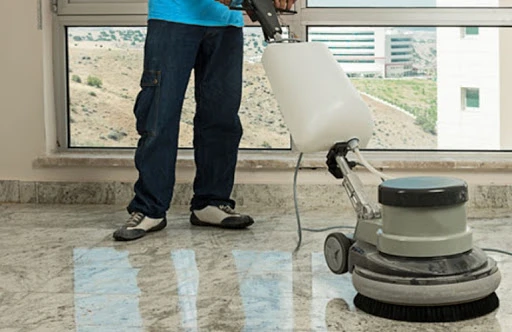
- Polishing: This is the final step where a polishing compound is applied to the marble surface. Using a specialized polishing machine, the compound is worked into the stone, resulting in a high-gloss finish. This step enhances the natural colors and patterns of the marble, making it look vibrant and new.
- Sealing: Although not always included in the polishing process, sealing is highly recommended. A sealant is applied to the marble surface to protect it from stains and moisture. This step is particularly important for marble surfaces in kitchens and bathrooms.
While the techniques may seem straightforward, marble polishing in Delhi comes with its own set of challenges:
- Pollution: The high pollution levels in Delhi can cause marble to accumulate grime and lose its shine more quickly. Regular maintenance is crucial, but the frequent need for polishing can be time-consuming and costly.
- Weather Conditions: Delhi’s extreme weather conditions, with scorching summers and chilly winters, can affect the marble. The stone can expand and contract with temperature changes, leading to cracks and other damage that require careful polishing and repair.
- Skill and Expertise: Marble polishing requires a high level of skill and expertise. Finding experienced professionals who understand the nuances of different types of marble and the appropriate techniques can be challenging.
- Cost: High-quality marble polishing can be expensive, especially for large surfaces or heritage structures that require specialized care. Balancing cost with the need for regular maintenance is a common challenge faced by homeowners and caretakers of historical sites.
Advancements in technology have significantly improved the marble polishing process. Modern polishing machines and diamond abrasives have made the process more efficient and effective. Additionally, eco-friendly cleaning solutions and sealants are now available, reducing the environmental impact of marble maintenance.
When selecting a professional marble polishing service in Delhi, consider the following factors:
- Experience: Look for companies with a proven track record and experience in handling different types of marble.
- Reputation: Check online reviews and ask for references to ensure the quality of service.
- Equipment: Ensure that the service provider uses modern equipment and high-quality polishing compounds.
- Cost: Get multiple quotes to compare prices, but don’t compromise on quality for the sake of cost.
Marble polishing is an essential aspect of maintaining the beauty and longevity of marble surfaces in Delhi. From historical monuments to modern homes, the practice combines traditional craftsmanship with modern technology. Despite the challenges posed by pollution, weather, and the need for skilled labor, the art of marble polishing continues to thrive in Delhi, preserving the city’s rich architectural heritage for future generations to admire.