Across centuries, Rudraksh has remained deeply rooted in ancient Indian spiritual practices. Traditionally worn by sages, yogis, and householders alike, Rudraksh was never viewed as a fashion accessory but as a sacred bead connected to awareness, discipline, and inner balance. To truly understand the ancient science behind the benefits of wearing Rudraksh, it is important to explore how these beads were used, why they were worn close to the body, and how their form evolved into necklaces, malas, and bracelets over time.
Ancient Origins and Spiritual Significance of Rudraksh
The word Rudraksh comes from Sanskrit, combining Rudra (Lord Shiva) and Aksha (tears). Ancient belief systems describe Rudraksh as a symbol of deep meditation and compassion. References in texts such as the Shiva Purana and Padma Purana explain how Rudraksh beads were worn as a reminder of self-control and spiritual intent.
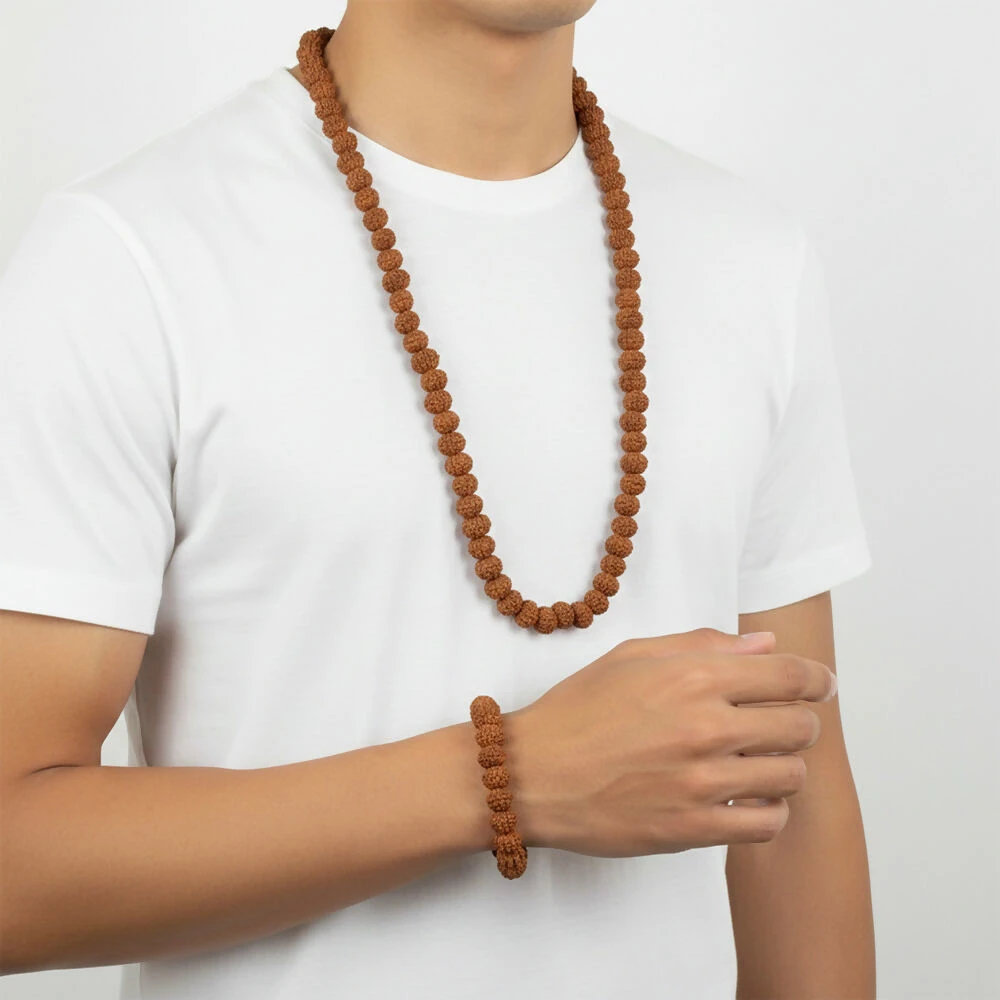
In early Shaivite traditions, wearing a Rudraksh mala around the neck or using it during mantra chanting was common. These malas were not decorative; they served as tools for meditation, helping seekers remain focused during long periods of spiritual practice.
How Ancient Science Viewed Energy and Balance
Ancient Indian philosophy approached the human body as a system of energy channels. Practices like yoga and meditation were designed to stabilize these energies, and Rudraksh was believed to support this process when worn consistently.
Historically, Rudraksh malas were an essential part of meditation rituals. Each bead helped practitioners maintain rhythm and concentration during mantra repetition. The repetitive touch of the beads was believed to anchor the mind, preventing distraction.
Understanding Mukhi Rudraksh in Ancient Traditions
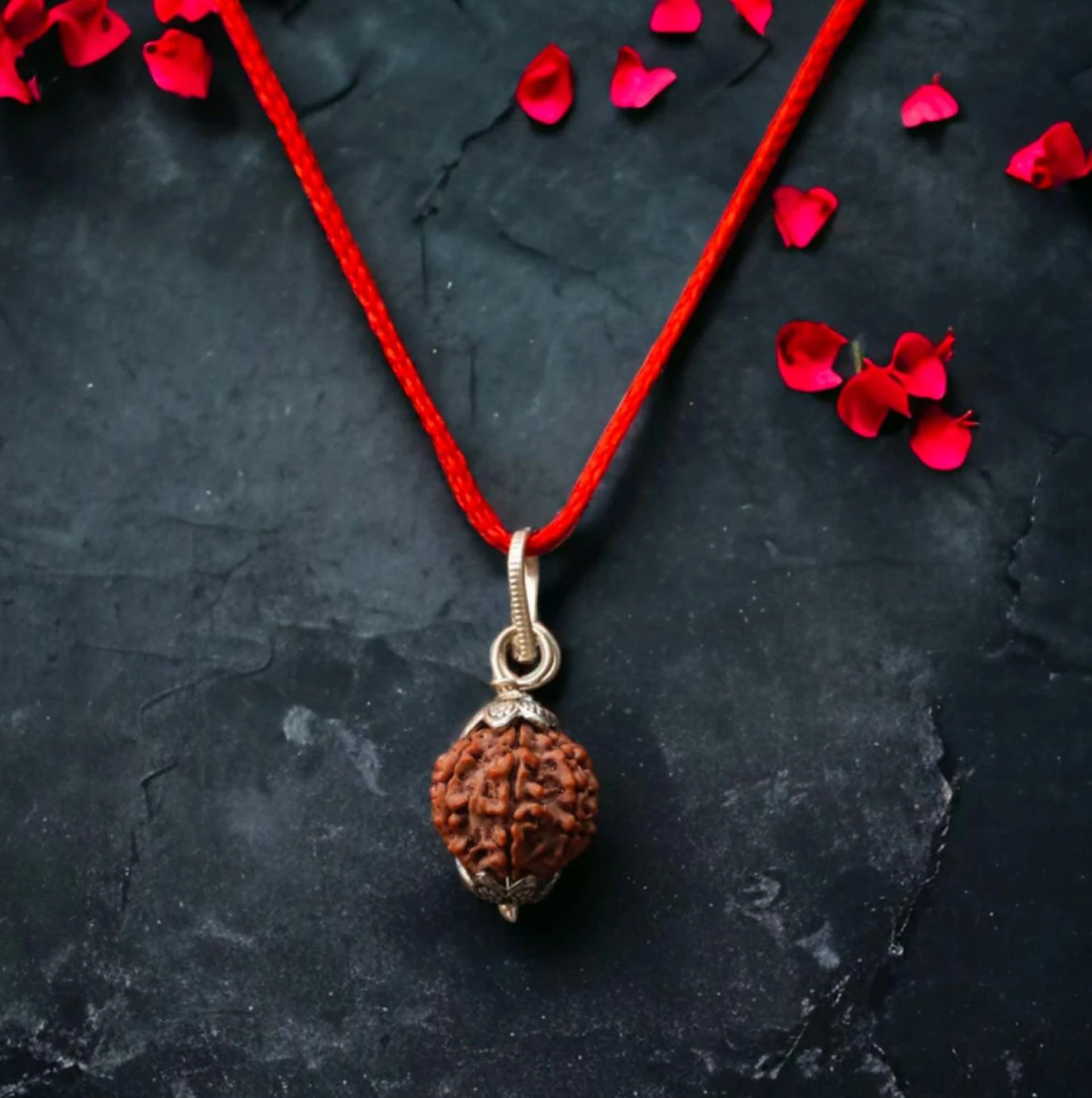
Ancient texts describe Rudraksh beads by their mukhi, or natural lines on the bead’s surface. Each mukhi was traditionally associated with specific symbolic qualities.
5 Mukhi Rudraksh is the most widely used and has long been associated with calmness, balance, and general well-being. Because of its universal nature, it is commonly found in malas, necklaces, and everyday bracelets.
7 Mukhi Rudraksh, mentioned in traditional references, is symbolically linked to stability and patience, qualities valued by householders and seekers alike.
Rather than being prescribed as solutions, these Rudraksh beads were chosen based on personal inclination, guidance from tradition, and lifestyle needs.
Evolution from Sacred Beads to Wearable Jewellery
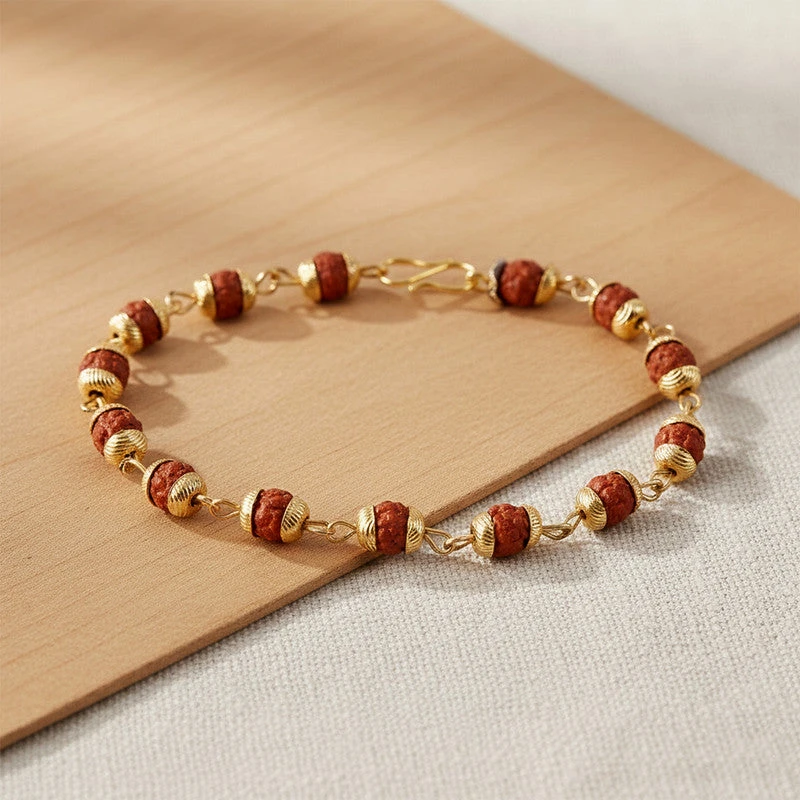
As spiritual practices expanded beyond ascetics, Rudraksh naturally adapted into more wearable forms. Ancient households often tied Rudraksh beads in threads or wore them discreetly. Over time, this evolved into structured Rudraksh necklaces, bracelets, and even golden bracelets with rudraksh, combining tradition with durability and respect for the sacred bead.
A Tradition That Continues Across Generations
The lasting presence of Rudraksh across centuries shows its role as a cultural and spiritual anchor. Whether worn as a 5 Mukhi Rudraksh necklace, a 7 Mukhi Rudraksh bracelet, or a simple mala, the meaning remains unchanged.
The ancient science behind the benefits of wearing Rudraksh lies not in instant results, but in the quiet discipline it represents, a reminder to live with awareness, balance, and purpose.
Explore mens jewellery for more products: https://deodap.in/collections/mens-jewellery